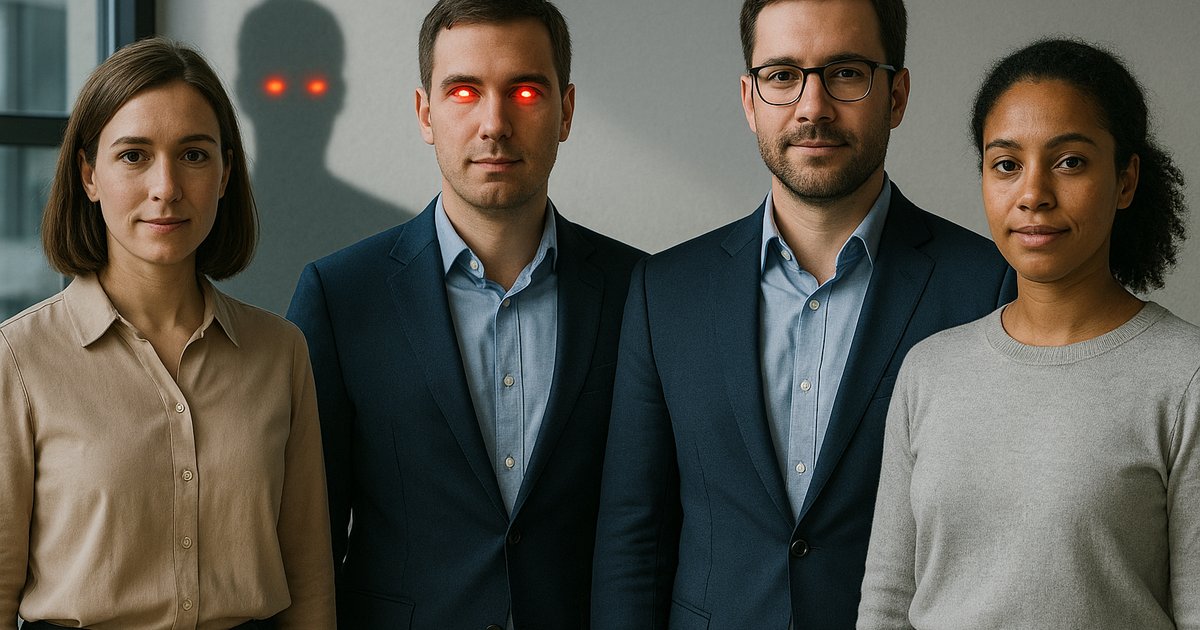
Recently, the phenomenon of using artificial intelligence informally in work environments has been on the rise, with employees applying AI techniques without official oversight from their management. This usage, known as hidden artificial intelligence, enables employees to enhance their performance and increase productivity, attracting the attention of companies eager to capitalize on this trend.
Reports indicate that many companies have begun to recognize the significant potential offered by hidden AI, which can contribute to accelerating processes and improving work quality. However, this informal usage raises questions about how to effectively manage these technologies and ensure that employees do not exceed established policies.
Event Details
Companies are looking to maximize the benefits of artificial intelligence, as studies have shown that using these technologies can lead to noticeable improvements in performance. However, many employees are using AI tools informally, making it difficult for management to track and manage these usages.
Some common applications of hidden AI include data analysis tools, automation software, and machine learning applications, which can help employees complete their tasks more quickly and efficiently. Nevertheless, the lack of formal oversight may lead to issues related to security and compliance.
Background & Context
Historically, companies have undergone a significant transformation towards adopting modern technology, including artificial intelligence. In recent years, these technologies have become an integral part of business strategies, as companies strive to enhance their efficiency and reduce costs. However, the informal use of AI may have negative consequences if not managed properly.
In many cases, the use of hidden artificial intelligence can lead to significant performance improvements, but companies must be aware of the potential risks. It requires establishing clear policies and procedures to ensure the safe and effective use of these technologies.
Impact & Consequences
Hidden artificial intelligence can have substantial effects on work environments, as it can contribute to fostering innovation and increasing productivity. However, the absence of formal oversight may lead to compliance and security issues, which could negatively impact companies' reputations.
Moreover, the informal use of AI may foster a culture of non-compliance with laws and policies, necessitating that companies take serious steps to ensure compliance and ensure that employees use these technologies responsibly.
Regional Significance
In the Arab region, the importance of artificial intelligence is growing across various sectors, including education, health, and financial services. However, the use of hidden AI may have negative implications if not managed correctly. Arab companies must be aware of this phenomenon and take steps to ensure the safe and effective use of these technologies.
Promoting the formal use of artificial intelligence can contribute to improving performance and increasing innovation in the region, opening new avenues for growth and development.