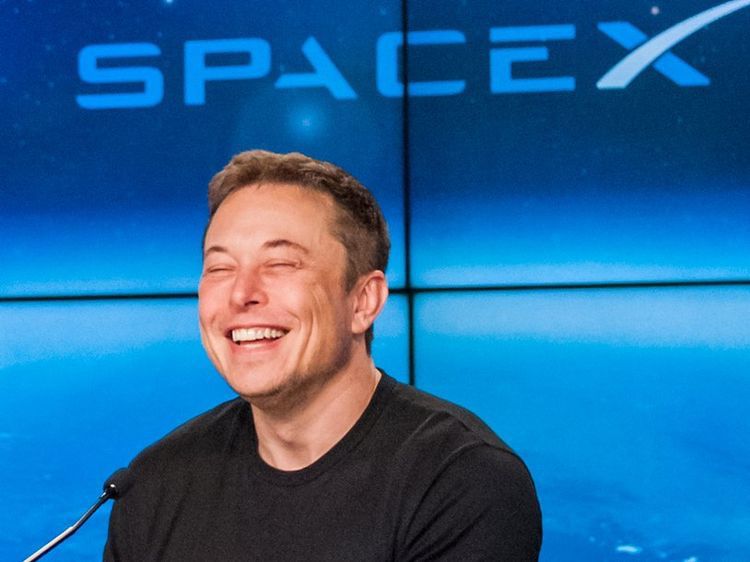
The spotlight is on space as the competition among major technology companies to provide low-Earth orbit satellite internet services heats up. Leading this race are Elon Musk and Jeff Bezos, each vying for dominance in this burgeoning market.
Global interest in satellite internet has surged recently, offering numerous advantages to users. This growing attention coincides with increasing concerns about undersea internet cables, which are the primary means of data transmission between users and data centers worldwide.
Event Details
SpaceX, owned by Elon Musk, is one of the prominent players in this field, having launched its services in 2018 and expanded to deploy thousands of satellites. According to reports from CNBC, SpaceX is working to broaden its service range to compete with other companies.
On the other hand, Amazon, owned by Jeff Bezos, is seeking to enter this market through its LEO project, which aims to launch over 3,000 low-Earth orbit satellites. Amazon began testing this service in 2024, granting a group of companies the opportunity to trial its new offerings.
Background & Context
Although Amazon announced its LEO project about 8 years ago, regulatory challenges have hindered its progress. The company is currently pursuing the acquisition of Globalstar, which provides low-Earth orbit satellite services, to expedite its plans.
Amazon faces difficulties in obtaining approvals from the U.S. government, requesting an extension to launch 1,600 satellites by the end of the year. Simultaneously, the company aims to deploy 700 satellites by mid-year, making the acquisition of Globalstar a strategic move.
Impact & Consequences
The competition in the satellite internet market is increasing, which could lead to improved services for users. However, this rivalry may also create new challenges, such as congestion in low Earth orbit, raising questions about the feasibility of widespread service deployment.
The Russian government is also looking to enter this field, as the Russian company Beuro 1440 has launched 16 low-Earth orbit satellites, with plans for more. This move aims to enhance control over internet services within the country.
Regional Significance
Satellite internet represents a significant opportunity for Arab countries to enhance their digital infrastructure. These services could improve internet access in remote areas, boosting economic and social development prospects.
In conclusion, this race between Bezos and Musk highlights the importance of innovation in technology, as this competition could lead to enhanced services for users worldwide.