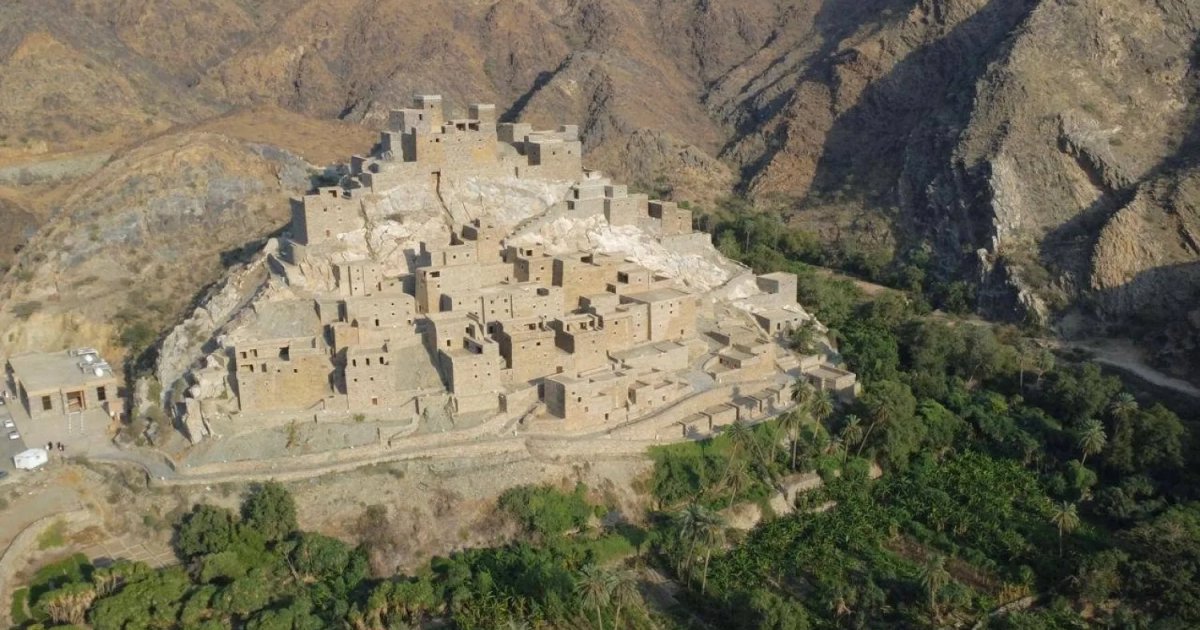
The Saudi Heritage Authority announced on Monday the completion of coding for 4000 architectural heritage sites, marking a significant step in the Kingdom's efforts to preserve its cultural and architectural heritage. This project involves the installation of signs bearing QR codes, making it easier to identify the sites and link them to the architectural heritage register.
The Authority confirmed that the coding process is considered the final stage in the registration of heritage sites, where these sites are documented by registering and classifying them within an official national record. This procedure aims to enhance the protection of these sites and ensure their sustainability through the architectural and archaeological heritage system.
Details of the Event
The coding process involves installing signs with QR codes at heritage sites, allowing visitors and officials to access accurate information about each site. This system not only contributes to documenting heritage but also enhances public awareness of the importance of preserving traditional culture and architecture.
This step is part of a broader strategy for preserving cultural heritage in the Kingdom, as the Authority seeks to develop effective mechanisms to protect heritage sites from various threats, whether natural or human-induced.
Background & Context
Historically, the Kingdom of Saudi Arabia has witnessed an increasing interest in cultural and architectural heritage, especially with the growing awareness of the importance of preserving cultural identity amid the rapid changes occurring globally. Heritage sites are an integral part of the Kingdom's history, reflecting its richness and cultural diversity.
In recent years, the Saudi government has launched numerous initiatives to promote cultural tourism, including the development of heritage sites and the improvement of tourism infrastructure. This announcement aligns with those efforts and reflects the Kingdom's commitment to preserving its cultural heritage.
Impact & Consequences
This project is expected to boost cultural tourism in the Kingdom, as it will allow visitors to explore heritage sites more easily. Additionally, documenting these sites will help attract more investments in the tourism sector, thereby enhancing the local economy.
Moreover, protecting cultural and architectural heritage reflects the Kingdom's commitment to preserving its cultural identity in the face of global challenges. This step could serve as a model for other countries seeking to protect their cultural heritage.
Regional Significance
Saudi Arabia is considered an important cultural hub in the Arab region, and this project reflects its commitment to preserving cultural heritage not only at the local level but also regionally. This initiative could inspire other Arab countries to adopt similar strategies to protect their cultural heritage.
Given the challenges many Arab countries face in preserving their heritage, this step represents a glimmer of hope and reaffirms the importance of culture and heritage in building national identity.