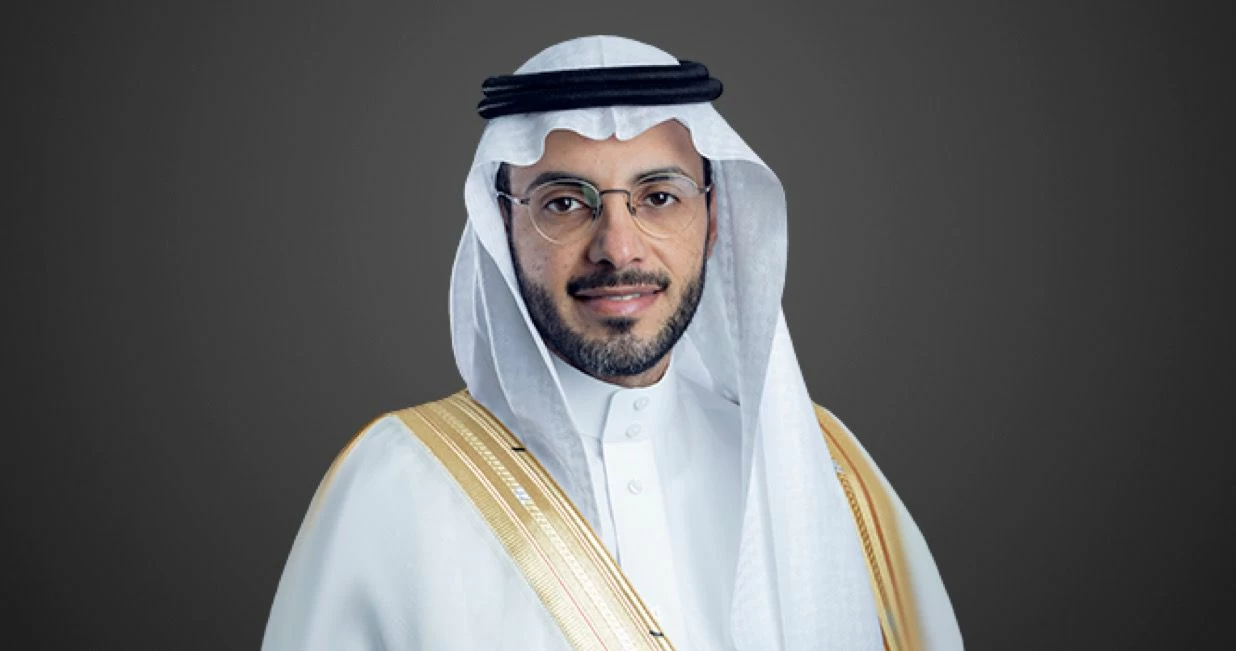
Salah Al-Rashid, the CEO of the Royal Commission for the City of Mecca and the Holy Sites, announced the completion of studies for the implementation of Mecca Airport according to global specifications. This step represents part of a comprehensive strategy to support the objectives of Vision 2030 and enhance the efficiency of infrastructure to serve the guests of Allah, while ensuring that it does not affect the viability of airports in neighboring cities.
In an interview with Harvard Business Review, Al-Rashid explained that the strategic, economic, and investment directions for the Mecca Airport project have been approved, paving the way for the transition to actual implementation phases according to an integrated investment model. This model aims to achieve operational efficiency and economic sustainability, ensuring the project's success and maximizing its developmental impact.
Event Details
Al-Rashid confirmed that the commission is working on developing an investment model in partnership with the private sector, reflecting the trend towards enhancing cooperation between the public and private sectors. He emphasized that the studies carefully considered not to impact the economic viability of existing airports in neighboring cities, as part of achieving integration between air transport projects in the Kingdom.
In a related context, Al-Rashid noted the completion of feasibility studies and preliminary designs for the Mecca Metro project, indicating that they have been submitted to the relevant authorities to complete the procedures, paving the way for the project to be launched in its upcoming phases. The two projects, Mecca Airport and its metro, represent a fundamental pillar to enhance the transport system and infrastructure in the holy capital, aligning with the rapid growth and improving the quality of services provided to the guests of Allah.
Background & Context
These projects come as part of ongoing efforts to improve services provided to pilgrims and Umrah performers, as Saudi Arabia seeks to develop its infrastructure to meet the expected increase in visitor numbers. Mecca Airport is considered part of a comprehensive vision aimed at enhancing the visitor experience and improving the level of services provided to them.
Future plans also include the use of modern technologies such as artificial intelligence to monitor and manage crowd movement in the Grand Mosque and its surrounding areas, known as the "Smart Mecca" initiative. This initiative aims to improve the visitor experience through the use of advanced systems to predict crowd movements.
Impact & Consequences
The Royal Commission expects these projects to contribute to enhancing the local economy by creating new job opportunities and stimulating investment in the region. Additionally, the development of Mecca Airport and its metro will improve access to the holy sites, making it easier for pilgrims and Umrah performers to move between various locations.
Moreover, improvements to existing transport services, including the development of bus and taxi systems, will enhance the visitor experience and make transportation more accessible and convenient. These projects are expected to strengthen Mecca's position as a major center for religious tourism.
Regional Significance
The Mecca Airport project represents an important step not only at the local level but also at the regional level. Enhancing infrastructure in Mecca can serve as a model for other countries seeking to develop their tourism infrastructure. Furthermore, these projects may contribute to strengthening cooperation among Arab countries in the fields of tourism and transport.
In conclusion, these projects reflect Saudi Arabia's commitment to achieving Vision 2030 and enhancing its status as a primary destination for Hajj and Umrah, contributing to improving the visitor experience and boosting economic development in the region.