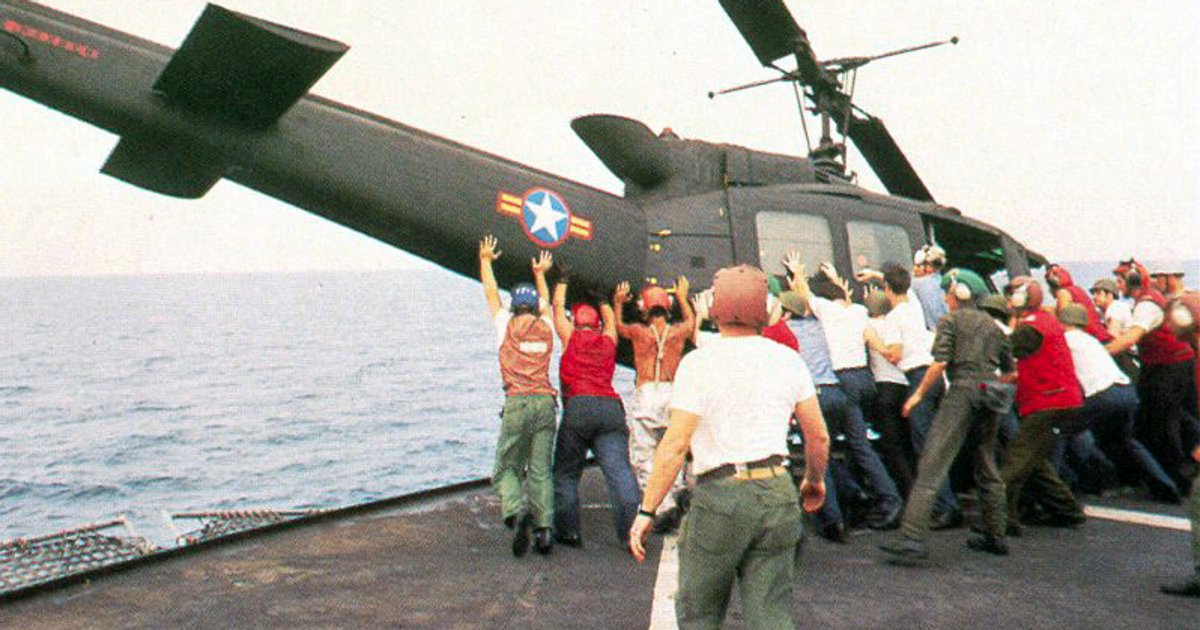
On March 29, 1973, US forces completed their withdrawal from Vietnam after years of bloody conflict. This withdrawal followed the Paris Peace Accords, which ended American military involvement in the Vietnam War.
The conflict in Vietnam lasted over two decades, during which the country experienced internal and external strife that led to the loss of millions of lives. The American withdrawal marked a turning point in Vietnam's history, as the country began to rebuild itself after the devastation it endured.
Details of the Event
The withdrawal was executed according to the timeline set in the Paris Agreement, with the last American soldiers being evacuated from South Vietnam. This withdrawal involved the departure of approximately 2,500 American troops, effectively ending the American military presence in the region.
Despite the withdrawal, conflicts continued in Vietnam, as North Vietnamese forces pressed on the South, leading to the collapse of the South Vietnamese government in 1975.
Background & Context
The American intervention in Vietnam began in the early 1960s, as the United States sought to contain communism in Southeast Asia. As the conflict escalated, the US increased its troop numbers in the region, which led to heightened Vietnamese resistance.
During the war, the United States employed advanced military strategies but faced fierce opposition from Vietnamese forces. Over time, American public opinion began to shift towards opposing the war, resulting in political pressure to end military involvement.
Impact & Consequences
The withdrawal of American troops had a significant impact on the international stage, marking the end of an era of American military intervention in foreign conflicts. It also led to radical changes in American foreign policy, making it more cautious in its military interventions.
Domestically, the withdrawal resulted in the unification of Vietnam under communist rule, which affected the balance of power in the region. The war also had profound effects on American society, leading to deep social and cultural changes.
Regional Significance
The withdrawal of American forces from Vietnam can be seen as a lesson for Arab nations, reflecting the importance of negotiation and dialogue in resolving conflicts. It highlights the challenges faced by major powers when intervening in the internal affairs of other nations.
The experiences of Vietnam may serve as a mirror for some Arab countries that have witnessed military interventions, prompting a reconsideration of strategies to address internal and external conflicts.
In conclusion, the withdrawal of American troops from Vietnam represents a historical event with deep implications for international politics, remaining an important lesson in conflict management.