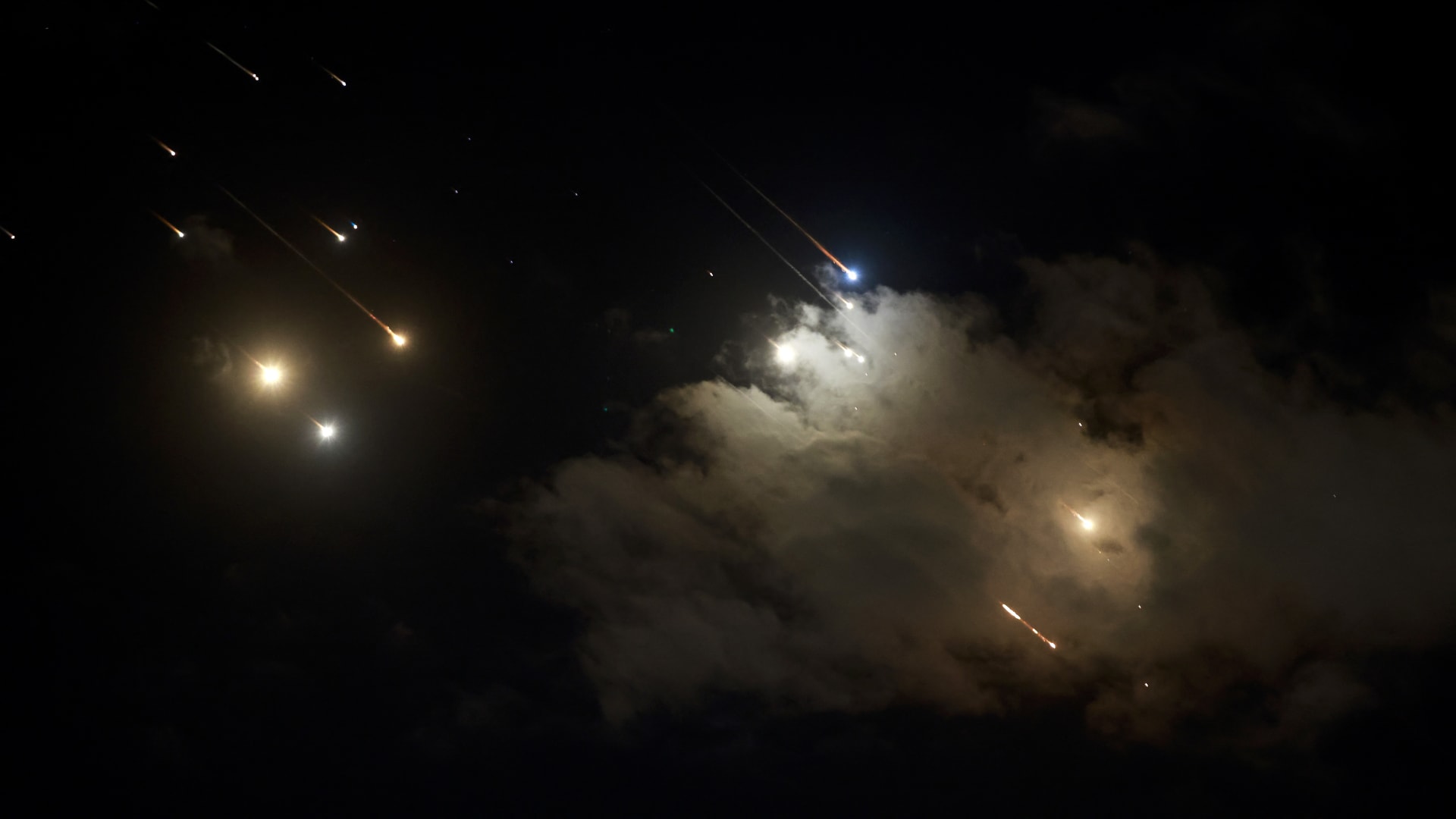
Iran's unused missile arsenal raises concerns among Gulf states as these weapons pose a potential threat to regional security. This anxiety is heightened by escalating tensions between Iran and its neighbors, increasing political and military tensions in the Gulf.
Iran is considered one of the leading countries in missile development in the Middle East, possessing a variety of missiles capable of reaching distant targets. However, many of these missiles have yet to be used, raising questions about Tehran's true intentions and its readiness to deploy this arsenal in any future conflict.
Details of the Arsenal
The Iranian arsenal includes a range of locally developed ballistic missiles, as well as cruise missiles. Tehran has demonstrated its ability to manufacture these weapons over the years, making it one of the prominent military powers in the region. However, the greatest concern arises from the fact that these weapons have not yet been used, leaving room for speculation about Iran's future intentions.
Reports indicate that Gulf states, including Saudi Arabia and the United Arab Emirates, are closely monitoring Iranian military activities, especially following recent escalations in the region. These countries have enhanced their defensive capabilities in an attempt to counter any potential threats from Iran.
Background & Context
Historically, Iran and the Gulf states have been in a state of constant tension, with the region witnessing numerous conflicts and disputes. Since the 1979 Iranian Revolution, Iran has become a key player in regional politics, leading to increased anxiety among its neighbors. Recent events, such as the conflict in Yemen and Iran's interventions in Iraq and Syria, have exacerbated these concerns.
In recent years, Iran has intensified its missile program development, provoking strong reactions from the international community. Sanctions imposed on Tehran have bolstered its efforts in this area, as it seeks to assert its military strength in the face of external pressures.
Impact & Consequences
Iran's continued development of its missile arsenal without deploying these weapons could lead to heightened regional tensions. Gulf states may feel compelled to bolster their defenses, potentially resulting in an arms race in the region. This situation may also increase the likelihood of armed conflicts, as Iran could take unexpected actions in the future.
Moreover, the fact that these weapons have not yet been used could be seen as a strategy by Iran to keep its adversaries in a state of anxiety and anticipation, granting it a psychological advantage in any future conflict.
Regional Significance
Given the current situation, the impact of the Iranian arsenal on the Arab region extends beyond the Gulf. Conflicts in Iraq, Syria, and Lebanon reflect Iran's growing influence in regional affairs. Countries like Iraq and Lebanon face significant challenges due to Iranian influence, complicating the political and security situations in these nations.
In conclusion, the future of Iran's missile arsenal remains uncertain, but it is clear that its impact on regional security will have significant repercussions for Gulf states and the region as a whole. The current situation requires Arab nations to take proactive steps to ensure their security and stability in light of potential threats.