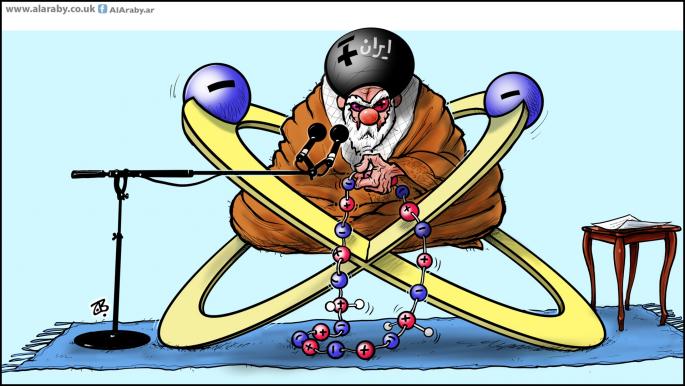
In Iran, widespread fears are emerging regarding the possibility of a US-Israeli war if the country surpasses the 'nuclear threshold' to a Pakistani model. These questions reflect the growing anxiety among Iranian citizens about their country's future amid escalating tensions with the West, particularly with the United States and Israel.
Iran is one of the countries striving to develop its nuclear program, as its nuclear activities raise concerns among many nations, especially those that adopt an antagonistic policy towards it. In this context, many in Iran are questioning the potential consequences of crossing the red lines set by major powers.
Details of the Situation
Reports indicate that there is a division of opinions within Iran regarding how to deal with external pressures. While some believe that developing a comprehensive nuclear program could provide Iran with a deterrent against any potential aggression, others argue that this could lead to an escalation of military tensions with the United States and Israel.
In recent years, relations between Iran and the West have seen increasing tension, especially after the United States withdrew from the nuclear agreement in 2018. This withdrawal reopened discussions about Iran's nuclear capabilities, heightening fears of a potential military conflict.
Background & Context
Historically, Iran has been a focal point for major powers due to its geographically rich resources. Its development of a nuclear program has led to heightened tensions with Western countries, which fear the use of this program for military purposes. The region has witnessed numerous military crises in recent years, complicating the situation further.
In this context, the Pakistani model serves as a reference point for many Iranians. Pakistan was able to develop its nuclear capabilities under similar circumstances, making it a regional power. This model raises questions about Iran's potential to follow the same path and the implications that could arise from such a decision.
Impact & Consequences
If Iran decides to transition to a comprehensive nuclear model, this could provoke military reactions from the United States and Israel. Such responses may include preemptive strikes aimed at destroying Iranian nuclear facilities, potentially leading to a widespread military escalation in the region.
Moreover, such a move could affect Iran's relations with other countries, including Russia and China, which may be allies to Iran in facing Western pressures. However, at the same time, this step could lead to harsher economic sanctions on Iran, exacerbating the suffering of the Iranian people.
Regional Significance
The Arab countries neighboring Iran are in a constant state of alert regarding any developments related to the Iranian nuclear program. A nuclear Iran could mean radical changes in the balance of power in the region, potentially sparking an arms race between Arab nations and Iran.
This situation may lead to increased tensions in the Gulf region, where Saudi Arabia and other Gulf states are among the most affected by such developments. Therefore, any potential escalation could significantly impact security and stability in the region as a whole.
In conclusion, questions regarding the future of the Iranian nuclear program remain, as Iran must make decisive decisions amid increasing external pressures. These decisions will determine the fate of the country in the coming years and could significantly affect regional stability.