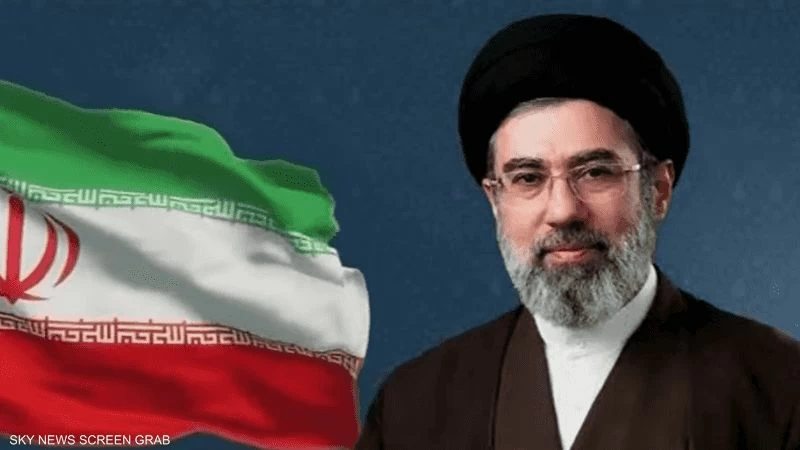
Mojtaba Khamenei, the Iranian leader, has entered a critical health condition that has left him unconscious, raising concerns about the decision-making center in Tehran. This development comes at a sensitive time with escalating military tensions between Iran, the United States, and Israel, putting the Iranian regime to an unprecedented test.
Reports cited by The Times indicate that Khamenei (56 years old) is receiving urgent treatment in Qom, Iran's most prominent religious center. According to a diplomatic memo based on American and Israeli intelligence assessments, his condition has been described as "serious," confirming his inability to participate in any decisions regarding the management of the regime.
Details of the Incident
Information suggests that this is the first time Khamenei's location has been publicly disclosed, with his presence confirmed in Qom. Intelligence agencies had been aware of his whereabouts for some time but had previously refrained from disclosing it for undisclosed reasons.
Concerns are growing about who is steering the decision-making in Tehran during this critical phase, as the security and political situation demands decisive actions that could impact the future of the region.
Background & Context
Historically, Khamenei has been a pivotal figure in the Iranian regime, having held the position of Supreme Leader since 1989. In recent years, Iran has witnessed an escalation in tensions with the United States and Israel, particularly following Washington's withdrawal from the nuclear agreement in 2018.
This critical health condition arises at a time of increasing anxiety regarding its impact on the internal stability of the Iranian regime, which faces multiple challenges including popular protests and economic sanctions.
Impact & Consequences
This development raises fundamental questions about the future of leadership in Iran and the decision-making mechanisms within the regime. In the absence of Khamenei, internal conflicts among various factions may intensify, potentially leading to radical changes in Iranian policy.
This health condition is likely to affect Iran's ability to make strategic decisions amid rising military tensions, which could reshape the contours of conflict in the region.
Regional Significance
Khamenei's health condition is seen as a turning point that could influence Iran's relations with Arab countries, especially amid escalating tensions with the United States and Israel. The lack of clear leadership in Tehran may lead to increased instability in the region, raising fears of escalating conflicts.
In conclusion, developments regarding Khamenei's health remain under scrutiny, as they may have far-reaching effects on Iranian politics and regional relations.