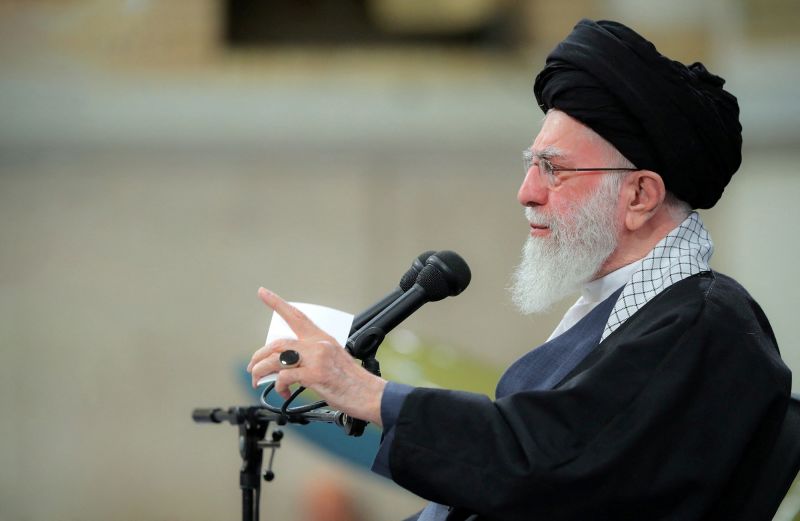
Reports have emerged that the new Supreme Leader of Iran, who recently assumed office, is experiencing physical injuries and deformities. This information comes at a critical juncture for Iran, as internal and external pressures on the Iranian regime intensify.
There are growing concerns about how these injuries may affect the new leader's ability to govern the country, especially amidst the economic and political challenges Iran is facing. This period is considered one of the most sensitive in the history of the Islamic Republic, with rising public protests and increasing international pressures.
Details of the Situation
The new Supreme Leader, whose name has not yet been disclosed, took office following the death of the previous leader. Information regarding his health condition has been circulated by sources close to the government, sparking widespread concern in political circles.
Reports indicate that the new leader is suffering from injuries sustained in an accident, leading to physical deformities that could impact his leadership capabilities. At the same time, questions are mounting about who will succeed him should his health deteriorate further.
Background & Context
Historically, Iran has experienced periods of political instability, particularly following the deaths of prominent leaders. In recent years, the country has witnessed a surge in public protests against the government, reflecting widespread dissatisfaction with economic and social conditions.
The current Iranian leadership is under significant pressure, facing challenges from both within and outside the country. Tensions with Western nations, particularly the United States, are also significantly influencing Iranian politics.
Impact & Consequences
If the new leader's condition continues to deteriorate, it could lead to a leadership vacuum in Iran, potentially opening the door for internal conflicts among various factions. These factions may seek to exploit the situation for political gain.
Moreover, instability in Iran could have repercussions for regional security, as Iran is a key player in numerous conflicts in the region, such as those in Syria, Iraq, and Yemen.
Regional Significance
The tense situation in Iran may escalate tensions in neighboring countries, many of which rely on Iran's stability for their foreign policy. Any change in Iranian leadership could also impact relations with Arab nations, particularly those with ties to Tehran.
In conclusion, the situation in Iran remains under close observation, as any new developments could significantly affect the entire region.