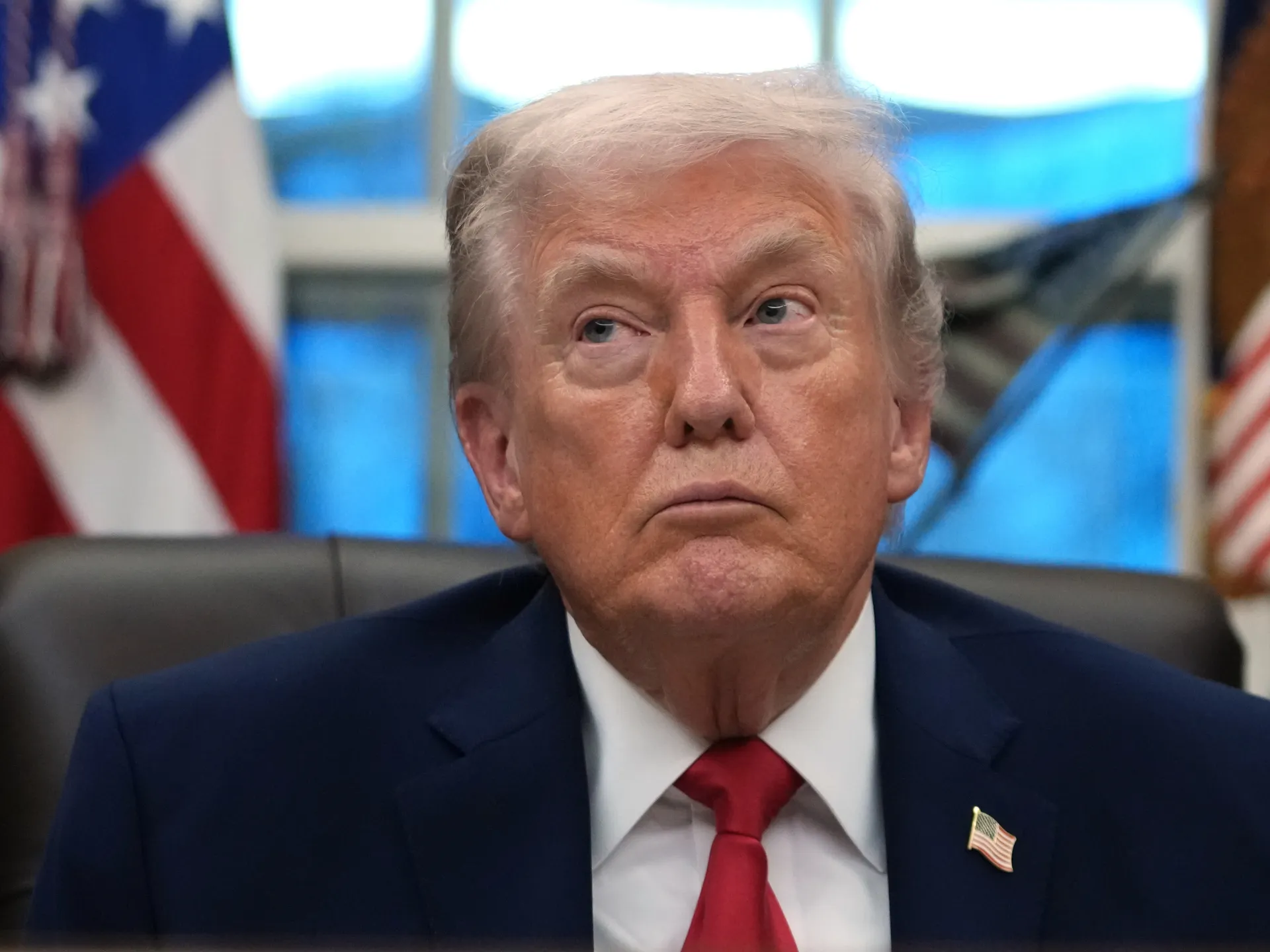
Fears are escalating regarding a potential US ground intervention in Iran, with reports suggesting a two-month plan to occupy the Iranian island of Khark. This move, aimed at loosening Tehran's grip on the Strait of Hormuz and destroying its coastal military capabilities, raises many questions about its feasibility and impact on the region.
In this context, former Deputy Assistant Secretary of State Jennifer Gavito stated that President Donald Trump's administration "fails to distinguish between military and strategic victories." She pointed out that history should serve as a lesson for the US administration, which seems to ignore the dire consequences of its past interventions in Iraq and Afghanistan.
Details of the Event
Reports have emerged about preparations by the US Department of Defense (Pentagon) to launch a ground operation targeting the island of Khark, a strategic point in the Arabian Gulf. The Washington Post reported that the operation could involve a mix of special operations and infantry units, but it would not be a full-scale invasion. At the same time, White House spokesperson Caroline Levitt confirmed that these preparations do not mean that Trump has made a final decision yet.
For her part, Gavito warned that a ground intervention could lead to a confrontation with Iranian forces, which may remind Americans of their previous experiences in Iraq, where military operations lasted over 20 years. She also emphasized that the main goal of the war is to "prevent Iran from exporting terrorism to regional countries," which will not be achieved if the war ends without clear objectives.
Background & Context
Historically, Iran has often been targeted by foreign interventions and has repeatedly demonstrated its ability to confront these threats. Tehran has repeatedly threatened a broad and painful response to any ground operation targeting its territory, indicating its full readiness to defend its islands and ports. This threat reflects the sensitivity of the situation in the region, especially amid increasing tensions between Iran and the United States.
At the same time, polls indicate that 62% of Americans oppose the ground operation, while 61% oppose the war in general. This reflects public dissatisfaction with US military interventions abroad.
Impact & Consequences
If the ground operation is executed, it could lead to a significant escalation in tensions between the United States and Iran, negatively impacting stability in the region. Additionally, this step may increase Iranian animosity towards the United States, bolstering the Iranian regime's position and increasing domestic support against external threats.
In this context, Mokhtar Haddad, editor-in-chief of the Iranian newspaper Vafaq, stated that the threat of a ground invasion increases Iranian hatred towards the United States and reflects their desire to defend their sovereignty. He confirmed that Iranians are prepared to confront any foreign intervention, pointing to their history of expelling colonizers.
Regional Significance
US military interventions in the Middle East are a sensitive topic, affecting regional stability and escalating tensions. Should the ground operation in Iran be executed, neighboring countries, especially those experiencing internal tensions or strained relations with Tehran, may be affected. The escalation of conflicts could also impact oil prices and global markets.
In conclusion, the most pressing question remains: Will the Trump administration learn from historical lessons, or will it continue down the path of military interventions that could lead to dire consequences for the United States and the region as a whole?