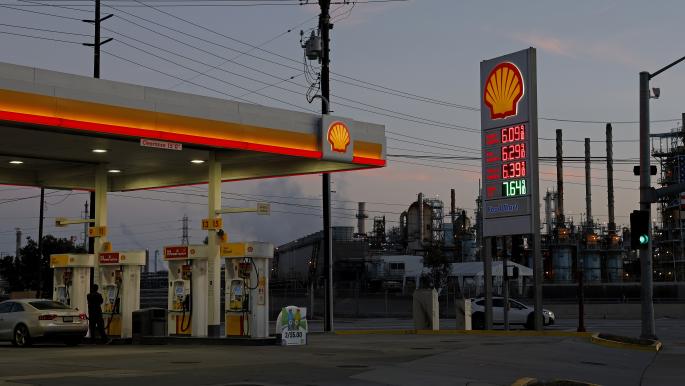
Fears of a slowdown or recession in the US economy are growing due to the potential repercussions of the war on Iran. This forecast comes at a time when US President Donald Trump indicates the possibility of the conflict ending within two to three weeks. However, economic experts warn that the effects of this war may last longer than some anticipate.
Estimates suggest that the costs of the war on Iran could be substantial, not only in terms of human losses but also in economic impacts that could lead to a decline in economic growth in the United States. Under these circumstances, the US economy faces significant challenges that may affect its stability in the near future.
Details of the Conflict
Attention is turning to the developments of the war on Iran, where tensions between the United States and Iran are escalating. Reports have shown that the conflict could lead to an increase in oil prices and the costs of essential goods, negatively impacting the US economy. Additionally, any military escalation could provoke negative reactions from financial markets, increasing economic uncertainty.
In this context, Trump has stated that the war may end soon, but many analysts believe that the economic repercussions could persist longer. Previous studies have shown that wars typically lead to an increase in government spending, which puts pressure on the budget and affects economic growth.
Background & Context
Historically, the US economy has faced several crises due to military conflicts. The wars in Iraq and Afghanistan, for example, resulted in hefty costs that impacted economic growth. Moreover, conflicts in the Middle East often affect oil prices, which in turn reflects on the global economy.
In recent years, the United States has experienced a relatively improved economy, with decreasing unemployment rates and increased growth. However, the war on Iran could reverse this progress, raising concerns among investors and economic analysts.
Impact & Consequences
If the war on Iran continues, it could lead to an increase in oil prices, affecting transportation and production costs. This, in turn, may negatively impact the prices of goods and services, increasing inflationary pressures. At the same time, the uncertainty may lead to a decline in both foreign and domestic investments.
Furthermore, military tensions could result in increased defense spending, which may put pressure on the federal budget. This means that the government may have to implement austerity measures in other areas, affecting public services and social programs.
Regional Significance
The Arab region is significantly affected by the repercussions of the war on Iran, as any escalation could destabilize neighboring countries. Additionally, rising oil prices could have a dual effect, potentially increasing revenues for some oil-producing nations while putting pressure on oil-importing countries.
Under these circumstances, there remains hope that diplomacy will succeed in ending the conflict before conditions worsen. However, the economic challenges facing the United States may influence its foreign policy and direction in the region.
In conclusion, amid rising tensions and the potential war on Iran, the US economy remains on alert. Fears of recession and economic slowdown loom, necessitating decisive actions from policymakers to avoid potential damages.