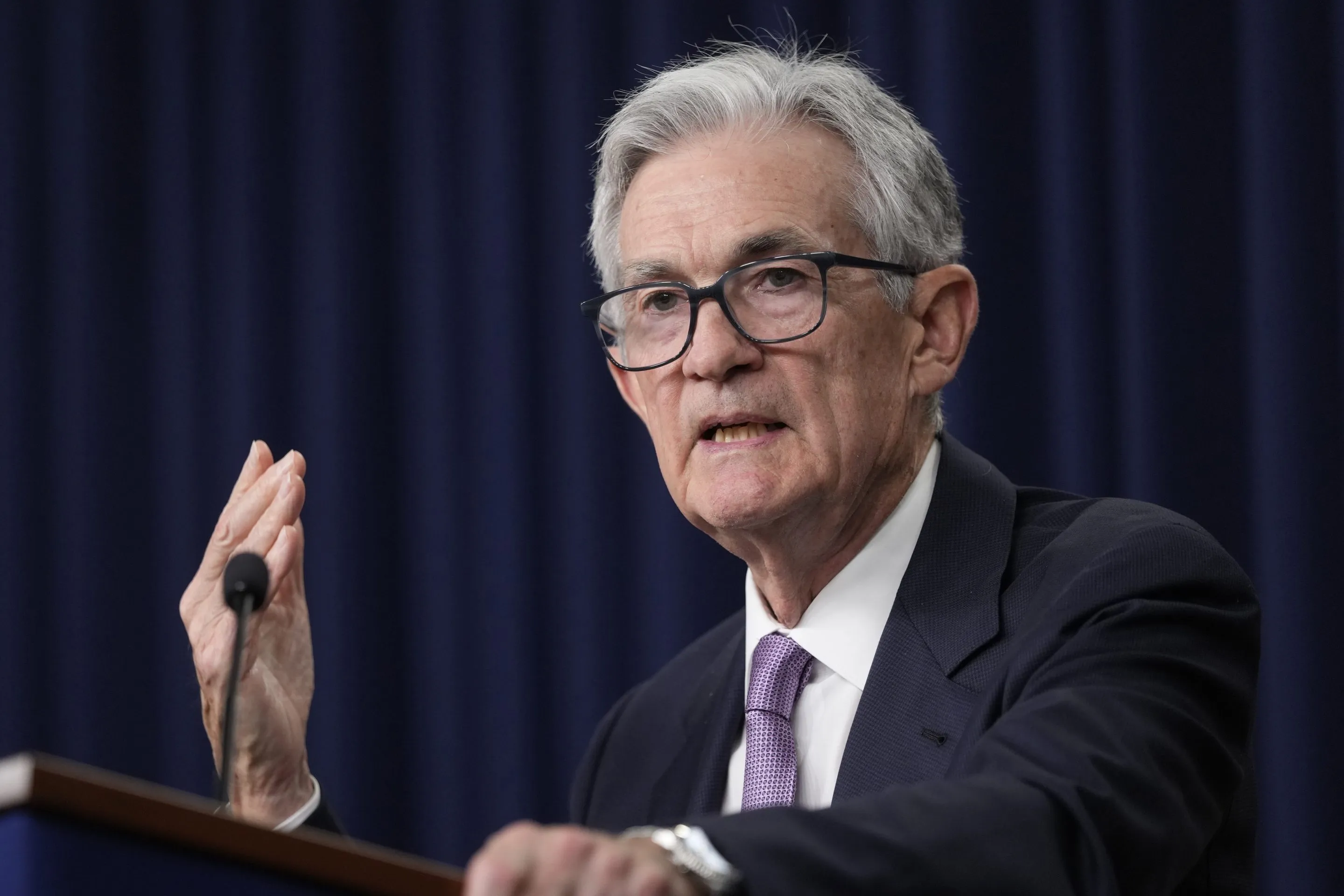
Jerome Powell, the Chairman of the U.S. Federal Reserve, concluded his leadership era in a final press conference, where reports suggest that former President Donald Trump may choose Kevin Warsh as his successor. This change could impact transparency in communication with the press.
During the conference, Powell addressed several current economic issues, including inflation and interest rates. He indicated that the Federal Reserve would continue to closely monitor the economy, focusing on achieving financial stability and sustainable growth.
Event Details
Powell announced new strategies to tackle economic challenges, emphasizing the importance of balancing economic growth with inflation rates. He reaffirmed the Federal Reserve's commitment to providing necessary support to the U.S. economy under current conditions.
On the other hand, Warsh's selection as Powell's replacement may change the management style of the Federal Reserve, as Warsh is known for his more conservative approach to monetary policy. This could mean changes in how the Federal Reserve responds to future economic crises.
Background & Context
Powell took over the Federal Reserve's leadership in 2018 and faced numerous challenges, including the COVID-19 pandemic and its impact on the global economy. During his tenure, the Federal Reserve took unprecedented steps to support the economy, including lowering interest rates to historic levels.
Historically, the Federal Reserve under Powell adopted a flexible monetary policy, which helped boost economic growth following the global financial crisis. However, current challenges require new strategies that may not align with Warsh's potential approach.
Impact & Consequences
Warsh's selection could influence financial markets, as investors anticipate changes in monetary policy. If Warsh adopts a more conservative approach, it could lead to an increase in interest rates, potentially negatively impacting economic growth.
Additionally, this change may reduce transparency in communication with the press, as Powell was known for his regular press conferences that allowed journalists to ask questions. If Warsh cancels these conferences, it could lead to less information available to the public regarding monetary policies.
Regional Significance
U.S. monetary policies directly affect the global economy, including Arab countries. If interest rates rise in the United States, it could result in capital outflows from emerging markets, including Arab nations, which may affect their economic stability.
Furthermore, any changes in U.S. monetary policy could impact oil prices, which are vital for Arab economies that heavily rely on oil revenues. Therefore, closely monitoring these developments will be essential for Arab countries.