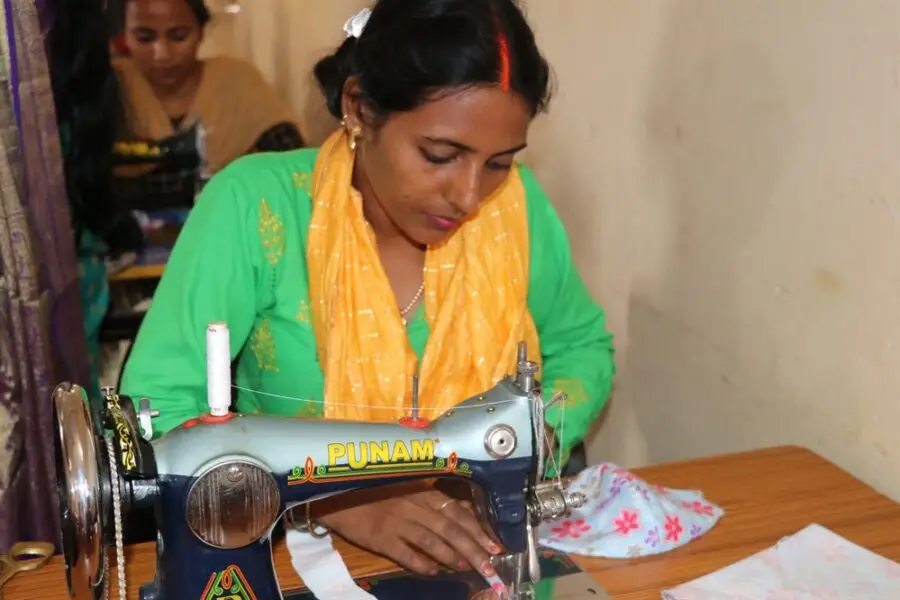
A training course in tailoring and sewing concluded in Assiut, Egypt, after several weeks of participation from enthusiastic trainees. The course aimed to enhance the skills of youth in the labor market and improve their job opportunities.
This initiative is part of the Egyptian government's efforts to support handicrafts and enhance technical skills among youth. The course was organized in collaboration with several educational and training institutions. There was a significant turnout from young people eager to learn the arts of sewing and tailoring, reflecting their interest in developing their craft skills.
Event Details
The course included a series of practical and theoretical lectures delivered by a group of professional trainers in the field of sewing and tailoring. Trainees were provided with the necessary equipment for training, which contributed to enhancing their educational experience. Certificates of appreciation were distributed to participants at the end of the course, recognizing their efforts and commitment to skill development.
Several participants expressed their satisfaction with the benefits gained from the course, stating that they acquired new skills that would assist them in entering the job market. They also highlighted the importance of such courses in enhancing job opportunities and improving living standards.
Background & Context
Sewing and tailoring are traditional crafts that are characteristic of many cultures, and there has been a growing interest in these crafts among youth in recent years. In Egypt, the government seeks to support these crafts by organizing training courses and workshops aimed at enhancing technical skills and improving job opportunities.
These initiatives coincide with the state's efforts to boost the national economy by supporting small and medium enterprises, as handicrafts are considered an essential part of this effort. Additionally, developing craft skills contributes to reducing unemployment rates among youth.
Impact & Consequences
These training courses help enhance the capabilities of youth to compete in the labor market, thereby assisting in reducing unemployment rates in society. Furthermore, developing craft skills can lead to increased productivity and improved quality of local products, which strengthens the national economy.
Moreover, supporting handicrafts enhances the cultural identity of the community, as these crafts reflect local heritage and traditions. Therefore, the focus on developing these crafts contributes to preserving and promoting cultural heritage.
Regional Significance
Handicrafts are an important part of the economy in many Arab countries, where these nations strive to enhance youth skills and provide job opportunities. The success of these training courses in Egypt could serve as a model for other Arab countries, potentially contributing to strengthening local economies and reducing unemployment.
Additionally, enhancing craft skills could foster cooperation among Arab countries in the field of vocational training, promoting opportunities for the exchange of expertise and knowledge.
In conclusion, the conclusion of this training course in Assiut represents a positive step towards enhancing craft skills among youth, contributing to improving job opportunities and strengthening the national economy. It is essential that such initiatives continue to support youth and empower them to achieve their aspirations.