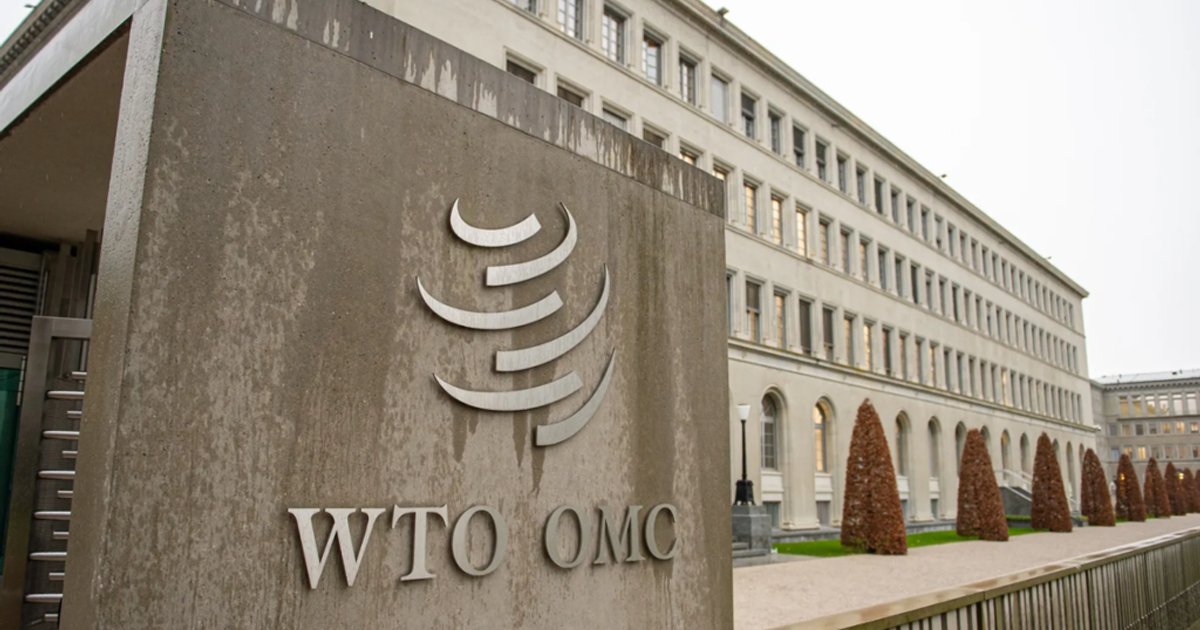
The 14th WTO Ministers' Conference (KTM) in Yaoundé, Cameroon, concluded on March 30, having reached a series of agreements on important issues, while some key matters remain without consensus. The Indonesian Ministry of Trade confirmed that the conference included discussions on issues such as agricultural support and fisheries, as well as matters concerning small and vulnerable economies.
During the conference, Joni Martha, the International Relations Advisor at the Ministry of Trade and head of the Indonesian delegation, noted that among the agreed issues were the work program for small vulnerable economies, support for fisheries, and the proposal from the G90 regarding special and differential treatment related to technical barriers to trade.
Event Details
Despite progress in some areas, the conference could not achieve consensus on key issues such as WTO reform, agriculture, and the extension of the moratorium on electronic customs duties set to expire in March 2026. Martha explained that Indonesia continues to pursue its interests during the conference, where a ministerial decision on fisheries support was reached after Indonesia presented a national statement that was recorded as an official document of the conference.
Additionally, Indonesia emphasized its support for sustainable fisheries by eliminating harmful subsidies and the necessity for negotiations on the second phase of fisheries without compromising the rights and obligations under the United Nations Convention on the Law of the Sea, particularly concerning the sovereignty of coastal states.
Background & Context
As the world's largest archipelagic nation, Indonesia places particular importance on fisheries and agriculture issues. In recent years, there have been increasing calls for WTO reform to address new challenges in global trade, including the impacts of the COVID-19 pandemic and climate change. This has led to heightened pressure on member states to reach effective agreements that promote fair and sustainable trade.
Agricultural issues have always been a focal point for developing countries, with Indonesia seeking to initiate new negotiations related to government food reserves, which are vital for the country's food security. Indonesia has played an active role in the Kiran's group, where a joint statement was agreed upon focusing on reducing agricultural support that distorts trade.
Impact & Consequences
The outcomes of this conference are significant not only for Indonesia but for the entire world, as the failure to reach consensus on key issues may affect the stability of global trade. The inability to reform the WTO could exacerbate trade disputes and increase barriers to trade, negatively impacting developing economies.
Moreover, ongoing discussions regarding agricultural and fisheries support issues can influence countries' strategies in dealing with environmental and economic challenges. Nations that rely on agriculture and fisheries as a core part of their economy will face greater challenges in the absence of a fair trade framework.
Regional Significance
For Arab countries, the outcomes of the WTO conference may impact trade and agricultural strategies in the region. Many Arab nations depend on agriculture as a primary source of food, and any changes in global trade policies could affect food prices and availability.
Furthermore, fisheries-related issues are particularly significant for Arab coastal countries, as any changes in global policies may impact the sustainability of marine resources. Therefore, it is crucial for Arab nations to remain vigilant about developments in these conferences and work to promote their interests on the international stage.