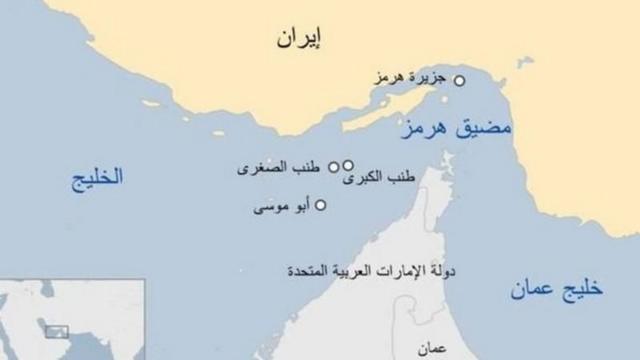
Sultan Al Jaber, the CEO of Abu Dhabi National Oil Company (ADNOC), described the restrictions imposed by Iran on navigation in the Hormuz Strait as 'economic terrorism.' This statement was made during a speech in the United States, where he confirmed that these restrictions lead to increased prices for consumers worldwide, noting that 'every country pays the ransom' as a result of these actions.
In his speech, Al Jaber added, 'When Iran holds the Hormuz Strait hostage, every nation pays the price, whether at the fuel pumps or in stores or pharmacies.' He stressed the necessity of not allowing any country to destabilize the global economy in this manner, emphasizing the importance of international cooperation to face these challenges.
Event Details
Al Jaber's remarks are part of a series of criticisms directed at Iran by Gulf Arab states regarding its policies in the region. This statement comes at a sensitive time, as the world faces significant economic challenges due to multiple crises, including the COVID-19 pandemic and the war in Ukraine, which heightens the importance of energy market stability.
The Hormuz Strait is one of the most critical maritime passages in the world, through which approximately 20% of the world's total oil passes. Therefore, any restrictions or threats from Iran directly affect global oil prices, reflecting on the economies of consuming countries.
Context and Background
Historically, the Hormuz Strait has witnessed ongoing tensions between Iran and Western countries, particularly the United States. In recent years, Iran has escalated its threats to close the strait as a means of pressuring countries that impose sanctions on it. The region has seen numerous maritime incidents that have heightened tensions, including the seizure of oil tankers.
The Gulf states, especially the United Arab Emirates, are striving to enhance their economic security by diversifying energy sources and reducing dependence on oil. However, in light of Iranian threats, the Hormuz Strait remains a sensitive point that impacts energy strategies in the region.
Consequences and Impact
Al Jaber's statements serve as a call for unifying international efforts to confront Iranian threats. If Iran continues to impose restrictions on the Hormuz Strait, this could lead to a significant increase in oil prices, impacting the global economy and exacerbating inflation.
Moreover, these statements could lead to heightened military tensions in the region, as major powers like the United States may feel compelled to take military action to protect their interests in the area. This could escalate the situation further, negatively affecting regional and international security.
Impact on the Arab Region
Tensions in the Hormuz Strait directly affect Arab countries, many of which rely on oil exports. Any increase in oil prices due to Iranian restrictions will impact the budgets of Arab nations, potentially leading to reduced public spending and increased economic pressures.
Additionally, the continuation of tensions in the region may exacerbate humanitarian crises in some Arab countries, such as Yemen and Syria, which are already suffering from severe economic crises. Therefore, stability in the Hormuz Strait is vital not only for Gulf countries but for all Arab nations.
In conclusion, Sultan Al Jaber's remarks reflect the growing concern over the impact of Iranian policies on the global economy, necessitating urgent international action to ensure freedom of navigation in one of the world's most crucial maritime corridors.