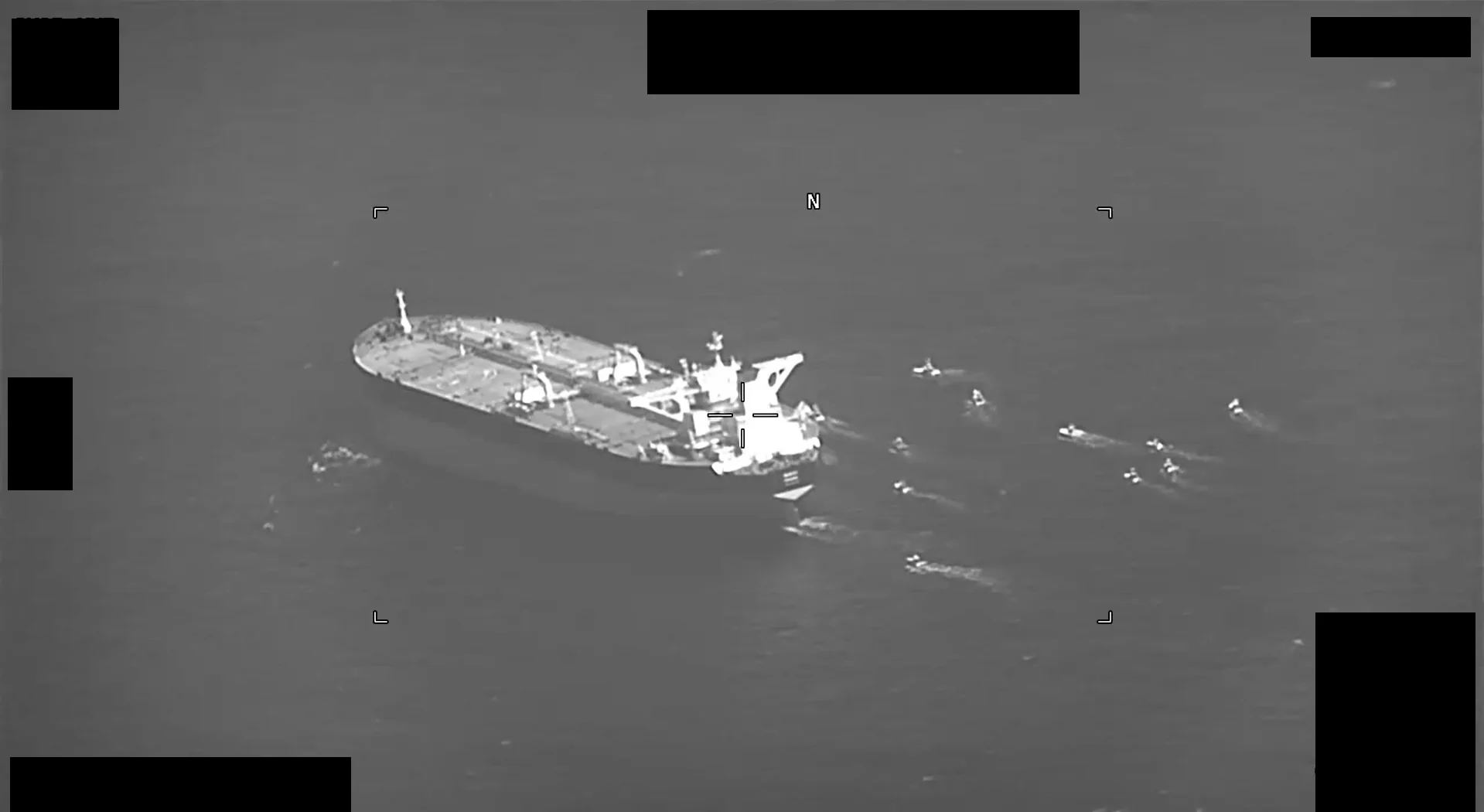
The Gulf Cooperation Council (GCC) and Canada condemned the repeated Iranian attacks on navigation in the Strait of Hormuz, where both sides emphasized the necessity of opening the strait to global supply chains. This announcement was made during a joint meeting held between the foreign ministers of the GCC member states and their Canadian counterparts, where the security challenges facing the region were discussed.
In light of the increasing tensions in the region, the meeting highlighted the importance of international cooperation in addressing maritime threats, particularly in the Strait of Hormuz, which is considered a vital point for the transportation of oil and gas. The ministers expressed their concern over the escalation of Iranian activities that threaten freedom of navigation, necessitating urgent measures to ensure the safety of commercial vessels.
Details of the Meeting
During the meeting, a number of recent Iranian attacks targeting commercial vessels in the region were reviewed, with an emphasis on the need for a unified stance to confront these threats. The discussions also touched upon ways to enhance security cooperation between member states and Canada, including information sharing and coordination in maritime operations.
The ministers discussed the importance of opening the Strait of Hormuz to supply chains, as this strait is one of the most important maritime passages in the world, through which approximately 20% of the world's oil passes. The ministers noted that any threat to navigation in this strait could significantly impact the global economy.
Background & Context
Historically, the Strait of Hormuz has witnessed numerous military tensions, particularly between Iran and Western countries. These tensions have escalated in recent years due to Iranian policies in the region, including its support for armed groups in Iraq, Syria, and Lebanon. These policies have raised concerns among Gulf countries, prompting them to strengthen security cooperation with countries like Canada.
These developments come at a sensitive time, as the international community seeks to find lasting solutions to crises in the region, including the Iranian nuclear issue. Canada has expressed its readiness to play a larger role in enhancing maritime security in the region, reflecting its commitment to addressing global security challenges.
Impact & Consequences
The continuation of Iranian attacks could lead to escalating tensions in the region, which may negatively affect oil prices and global markets. Additionally, any closure of the Strait of Hormuz could increase transportation costs, impacting the global economy as a whole.
Furthermore, strengthening cooperation between the GCC and Canada could contribute to improving maritime security, thereby enhancing regional stability. This cooperation may also encourage other countries to join efforts to protect navigation in the Strait of Hormuz, reflecting the importance of collective action in addressing security threats.
Regional Significance
These developments are of significant importance to Arab countries, as the stability of navigation in the Strait of Hormuz directly affects their economies. Any escalation in tensions could lead to rising oil prices, impacting the budgets of Gulf countries and increasing economic pressures.
Moreover, enhancing security cooperation between Gulf states and Canada could contribute to bolstering regional security, aiding in achieving stability in the area. This cooperation could open new avenues for collaboration in other fields, such as trade and investment, benefiting all parties involved.
In conclusion, there remains hope that these efforts will contribute to achieving security and stability in the region, and that the international community will be able to find lasting solutions to the challenges facing navigation in the Strait of Hormuz.