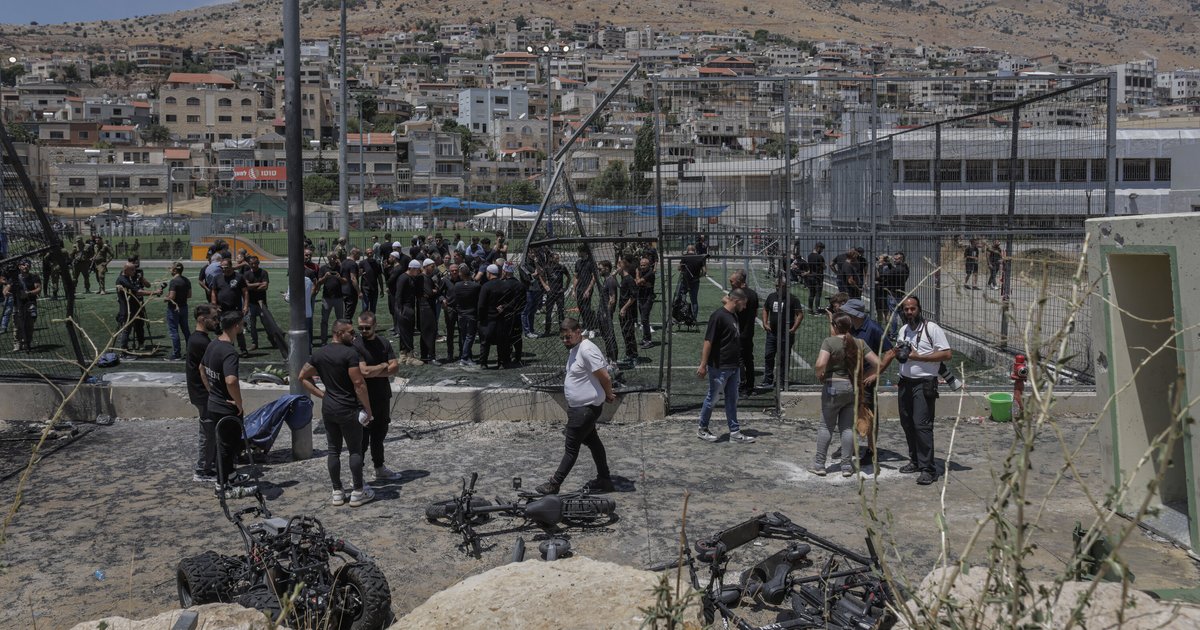
The death toll from the Israeli aggression in Lebanon has risen to 57 martyrs and 154 injured among healthcare workers as of this afternoon. This toll comes at a time when the country is witnessing unprecedented military escalation, raising significant international concern.
The World Health Organization condemned these attacks, emphasizing the importance of protecting healthcare workers who strive to assist the wounded and injured. The organization confirmed that attacks on medics constitute a blatant violation of international humanitarian laws.
Details of the Incident
Reports continue to emerge regarding the targeting of medics in various Lebanese regions, with ambulances coming under direct fire, exacerbating the humanitarian situation. Disturbing images and videos circulating on social media depict horrific scenes of victims among civilians and healthcare workers.
In this context, numerous humanitarian organizations have issued statements calling for international intervention to protect civilians and healthcare workers. They also urged the need for urgent humanitarian assistance for those affected by the aggression.
Background & Context
Historically, Lebanon has witnessed numerous armed conflicts, but the current escalation comes amid increasing tensions between Israel and Hezbollah. These tensions stem from several factors, including disputes over maritime and land borders, as well as the political and economic crises plaguing Lebanon.
Attacks on healthcare workers are part of a broader pattern of human rights violations occurring in conflict zones. Previous reports have highlighted the targeting of hospitals and healthcare facilities in conflict areas, further complicating the humanitarian situation.
Impact & Consequences
The repercussions of the Israeli aggression on Lebanon extend beyond geographical borders, affecting regional stability. The escalation of violence could worsen humanitarian crises and increase the suffering of civilians already enduring difficult economic conditions.
Moreover, the continuation of attacks may provoke international reactions, with voices calling for sanctions against Israel expected to rise. These developments could impact international relations in the region and reshape political alliances.
Regional Significance
The events in Lebanon serve as an indicator of increasing tensions in the region, contributing to heightened anxiety among Arab nations. Such events may lead to escalated political stances and deepen divisions among Arab countries.
Furthermore, the ongoing violence could embolden armed groups in other parts of the Arab world, complicating security situations. Therefore, the situation in Lebanon demands urgent international attention and should be at the forefront of discussions in international forums.
In conclusion, the situation in Lebanon remains alarming and requires immediate intervention to protect civilians and healthcare workers. The continuation of attacks will only exacerbate humanitarian conditions, necessitating a swift response from the international community.