The Secretary-General of the Arab League, Ahmed Aboul Gheit, has strongly condemned the increasing Israeli attacks on Lebanese territory, which have escalated recently. In a statement, Aboul Gheit warned of the dangers posed by these military operations to regional security, calling on the international community to intervene urgently to protect Lebanon.
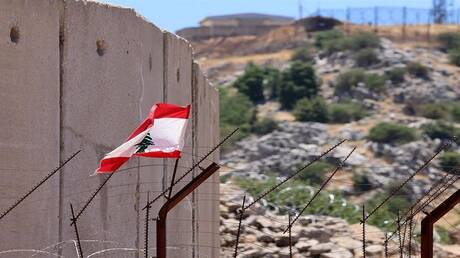
These statements come at a time when the Lebanese-Israeli border is witnessing noticeable tensions, as Israeli forces have carried out several airstrikes on areas in Lebanon, resulting in significant damage and widespread discontent among the Lebanese political and public spheres.
Details of the Incident
Aboul Gheit emphasized that the Israeli attacks would only lead to further tension and instability in the region, indicating that these military operations contradict international charters that protect national sovereignty. He also highlighted the urgent need for a fair and comprehensive political process that guarantees the rights of the Palestinian people as a fundamental step towards achieving peace in the region.
He stated that recent events remind the international community of its responsibilities towards Lebanon, urging immediate measures to end military escalation and allow humanitarian aid to reach citizens in affected areas.
Background & Context
The Lebanese-Israeli border has a history of tensions and conflicts, dating back to the Arab-Israeli conflict and the 2006 war. Recently, the intensity of clashes has increased with the rise of reciprocal attacks, necessitating international intervention to find lasting solutions to these crises.
In recent years, Lebanon has suffered from political and economic crises that make its position more vulnerable to any military escalation. Thus, the Israeli attacks complicate the financial and social situations, negatively impacting the lives of citizens and residents in Lebanon.
Impact & Consequences
The Israeli escalation and its repercussions affect not only Lebanon but the entire region. These crises could lead to the outbreak of new conflicts, further deteriorating the security situation and increasing the number of refugees and displaced persons.
More importantly, this escalation contributes to the fragmentation of relations among Arab countries, as positions on dealing with Israel vary. These dynamics could lead to internal divisions within Arab states, weakening the Arab collective's ability to respond to any future aggressions.
Regional Significance
The Israeli attacks on Lebanon represent a part of a broader picture of conflicts and disputes in the region, including the Palestinian conflict and foreign interventions. Arabs must enhance their cooperation and solidarity to face these challenges.
These conditions necessitate the establishment of dialogue platforms among Arab states to unify visions and positions against escalation. Collective action is essential in these critical times, as it requires strengthening Arab solidarity to achieve sustainable security in the region.
In conclusion, Ahmed Aboul Gheit's strong statements come at a particularly significant time, as the international community seeks to address pressing issues in the Middle East. There remains an urgent need for concerted efforts towards achieving stability and peace in Lebanon and the entire region.