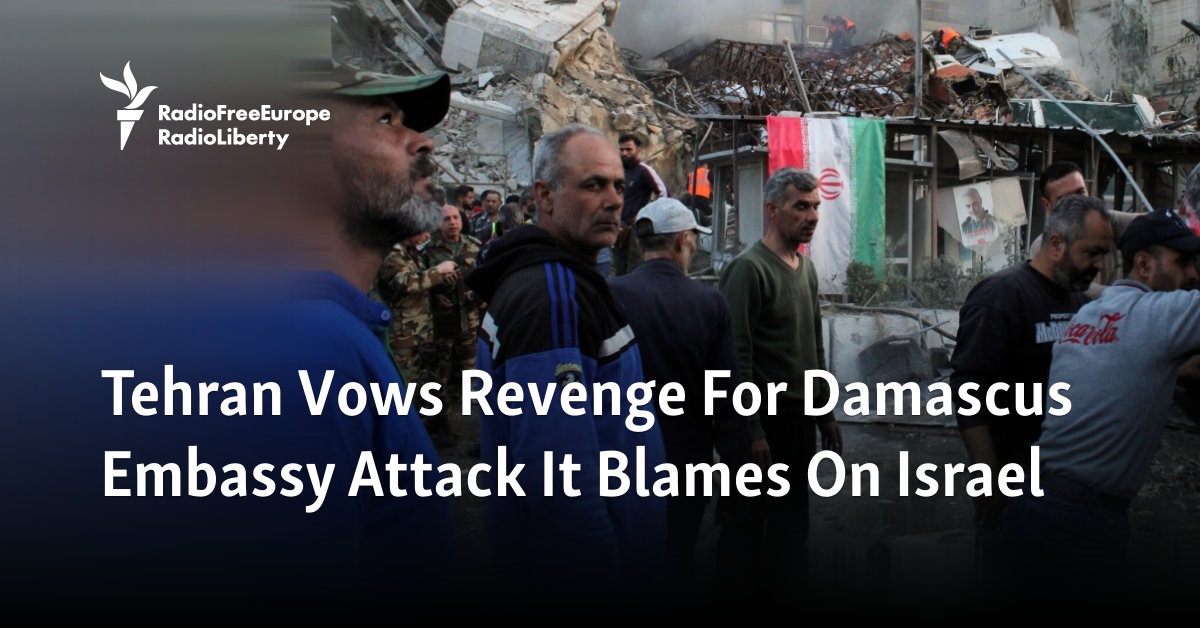
The Secretary-General of the Gulf Cooperation Council, Naif Falah Mubarak Al-Hajraf, condemned the attack on the United Arab Emirates Embassy in Damascus, which occurred recently. Al-Hajraf affirmed that this act is a blatant violation of international laws and diplomatic norms, stressing the necessity of respecting the sovereignty of nations and their institutions.
Al-Hajraf pointed out that attacks on embassies pose a threat to security and stability in the region, reflecting the escalating tensions in the political situation. He also called for immediate measures to protect diplomatic missions and ensure the safety of their personnel.
Details of the Incident
The attack on the UAE Embassy in Damascus occurred at a sensitive time, as the region is experiencing increasing tensions due to rapid political developments. The embassy was targeted by a group of individuals who attempted to storm the building, resulting in damage to some facilities. The situation was handled by local authorities, but the incident sparked widespread reactions in political and media circles.
The UAE Embassy is considered one of the active diplomatic missions in Syria, aiming to enhance bilateral relations between the two countries. The embassy was reopened in 2018 after a hiatus of several years due to the Syrian conflict, reflecting the UAE's desire to support stability in Syria.
Background & Context
Relations between the UAE and Syria date back decades, with the UAE being one of the first countries to support reconstruction efforts in Syria after the conflict. However, the security situation in the country remains fragile, making diplomatic missions vulnerable to attacks. In recent years, there have been numerous similar incidents, highlighting the challenges countries face in protecting their diplomatic interests.
These events coincide with rising tensions in the region, as Gulf countries are affected by political transformations in Syria. The attack on the UAE embassy reflects the increasing risks faced by diplomatic missions in conflict areas.
Impact & Consequences
This attack could have negative repercussions on the relations between the UAE and Syria, potentially leading to a decline in trust between the two sides. It may also affect the UAE's efforts to support stability and reconstruction in Syria, complicating the political landscape in the country.
Furthermore, the attack may raise concerns among other countries regarding the safety of their diplomatic missions in the region, leading to a reassessment of their strategies in dealing with crises in conflict-affected countries.
Regional Significance
This attack represents part of a larger picture concerning security and stability in the Arab region. Many countries are suffering from internal conflicts and political tensions, making the protection of diplomatic missions critically important.
Moreover, attacks on embassies can exacerbate humanitarian and political crises, necessitating a concerted international effort to protect diplomats and ensure their safety. Enhancing diplomatic security is a fundamental step towards achieving stability in the region.
In conclusion, the attack on the UAE Embassy in Damascus serves as evidence of the challenges countries face in protecting their diplomatic interests and reflects the urgent need to enhance security and stability in the Arab region.