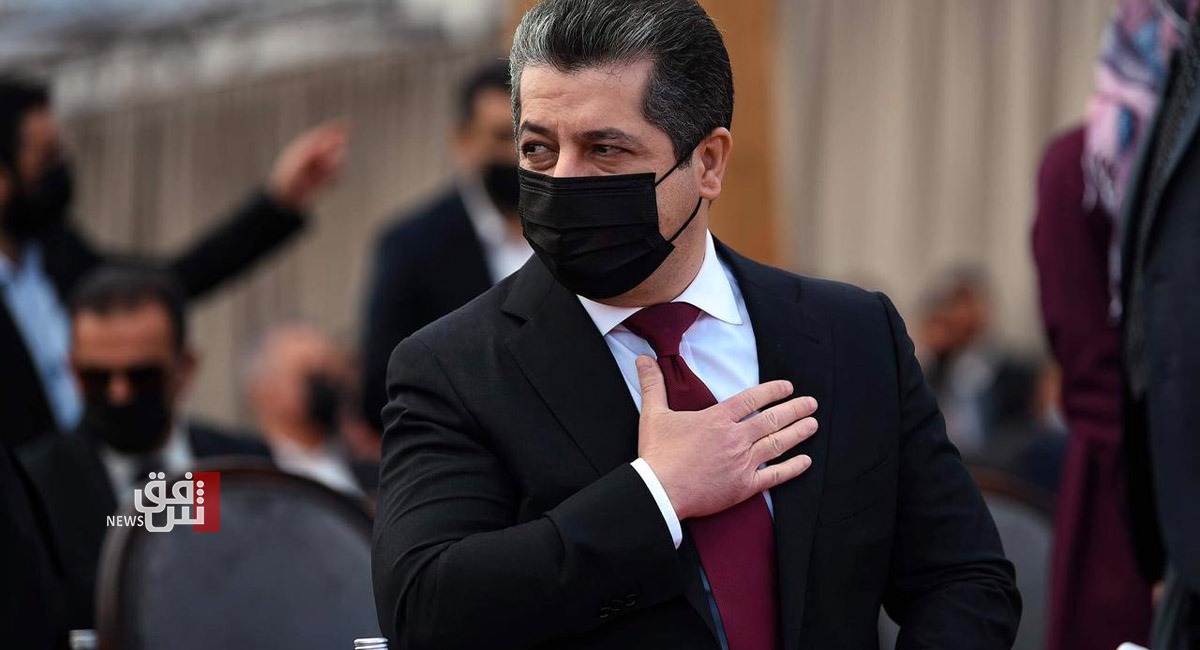
The President condemned the terrorist attack targeting the home of the President of the Kurdistan Region of Iraq, Masoud Barzani, during a phone call. This attack, which occurred amid increasing security tensions in the area, has sparked widespread reactions from political leaders both in Iraq and abroad.
The attack on Barzani's home comes at a critical time for the region, which is facing escalating security and political challenges. The President emphasized the need to enhance security cooperation among nations to confront shared threats.
Details of the Incident
The terrorist attack on Barzani's residence took place in Erbil, the capital of the Kurdistan Region, where a group of armed assailants targeted the house late at night. The attack resulted in significant material damage, but no injuries were reported among Barzani's family members.
In the context of this attack, Barzani expressed his condemnation of such terrorist acts, stressing the necessity of uniting efforts to face security challenges. He also called for enhanced coordination between the security forces in the region and the central government in Baghdad.
Background & Context
Historically, the Kurdistan Region of Iraq has experienced recurring security tensions, particularly with the rise of armed groups. In recent years, the area has been subjected to attacks from ISIS, which continues to pose a threat to security in Iraq.
This attack occurs amid complex political circumstances, as the Kurdistan Region seeks to bolster its political and economic independence, which heightens tensions with the central government in Baghdad. These tensions have increased concerns about security stability in the region.
Impact & Consequences
The attack on Barzani's home could escalate tensions between the Kurdistan Region and the Iraqi government, especially if it is used as a pretext to enhance security measures or military interventions. It may also affect relations between the region and neighboring countries, which are closely monitoring the situation.
Furthermore, this attack could lead to increased international support for the region in facing security threats, as the international community seeks to promote stability in Iraq as a whole. There may be growing pressure on the Iraqi government to enhance security in areas experiencing terrorist activity.
Regional Significance
This attack reflects the security challenges faced by many Arab countries, where armed groups continue to threaten security and stability in the region. It underscores the need for regional and international cooperation to address these challenges.
Additionally, the situation in the Kurdistan Region may have implications for neighboring countries, such as Turkey and Iran, which have strategic interests in the area. Therefore, any escalation in tensions could impact regional stability overall.
In conclusion, the situation in the Kurdistan Region of Iraq remains under close observation, as fears of escalating violence and terrorism grow. Strengthening security cooperation among nations is essential to confront these challenges and achieve stability in the region.