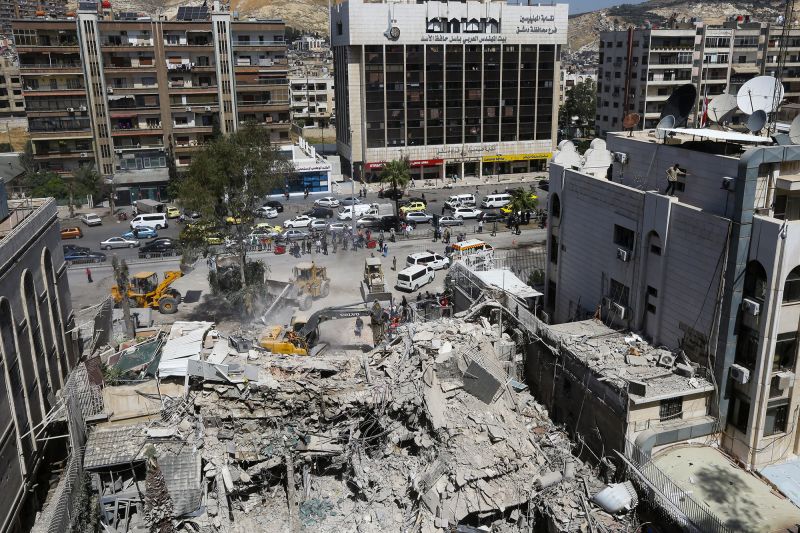
The condemnations from Gulf and Arab nations continue following the Iranian attack targeting a power and water desalination plant in Kuwait. These assaults are regarded as hostile actions that violate international laws and threaten the stability of the region.
In this context, the Saudi Ministry of Foreign Affairs strongly condemned what it described as the heinous Iranian aggressions targeting a camp belonging to the Kuwaiti armed forces, in addition to the power and water desalination plant. The ministry noted that these cowardly attempts by Iran reflect a continued unjustifiable hostile approach, warning that such actions could lead to greater escalation in the region.
Details of the Incident
The Qatari Ministry of Foreign Affairs also condemned the Iranian attacks, emphasizing the need to halt these unjustified assaults on the brotherly Gulf states. For its part, Oman expressed its condemnation and denunciation of the attack, affirming its rejection of any targeting of vital infrastructure.
In a related context, Egypt expressed its strongest condemnation, stressing its full solidarity with Kuwait and all Gulf countries in facing Iranian aggressions. Jordan also condemned the attacks, noting that they resulted in injuries to ten members of the Kuwaiti armed forces and the death of a civilian of Indian nationality.
Context and Background
In contrast, Tehran accused Israel of being behind the attack on the water desalination plant in Kuwait, claiming that the attack was executed by Israel while attempting to suggest it was an Iranian assault. This was stated in a statement issued by the Iranian armed forces' "Khatam al-Anbiya Headquarters," where spokesperson Ibrahim Zolfaghari described Israel's actions as reflecting the despicable nature of the Zionist occupiers.
On the ground, the Saudi Ministry of Defense announced the interception and destruction of two drones in recent hours, amid escalating aerial attacks. In the UAE, the Dubai government confirmed that the sounds heard early Monday were the result of interceptions by air defenses.
Impact and Consequences
According to the UAE Ministry of Defense, air defenses have dealt with **425 ballistic missiles**, **15 cruise missiles**, and **1914 drones** since the onset of the Iranian attacks. In Bahrain, the Ministry of Interior announced the activation of alarm sirens, urging citizens and residents to head to safe places, as the Bahrain Defense Force intercepted **182 missiles** and **398 drones** since the beginning of the aggressions.
These developments come amid increasing regional escalation, in light of the Israeli-American war on Iran that began at the end of February, resulting in hundreds of casualties. Tehran has responded by launching missiles and drones towards Israel, in addition to targeting what it describes as "American interests in the region."
Impact on the Arab Region
The Iranian attacks have resulted in casualties and injuries in several Gulf countries, in addition to damage to civilian facilities. The affected countries condemned these aggressions, calling for an immediate halt to the escalation. The continuation of such hostile actions could exacerbate conditions in the region, necessitating urgent international action to protect security and stability.
In conclusion, the recent escalation in the region reflects the growing tensions between Iran and Gulf states, underscoring the urgent need for comprehensive dialogue to ensure security and stability for all concerned parties.