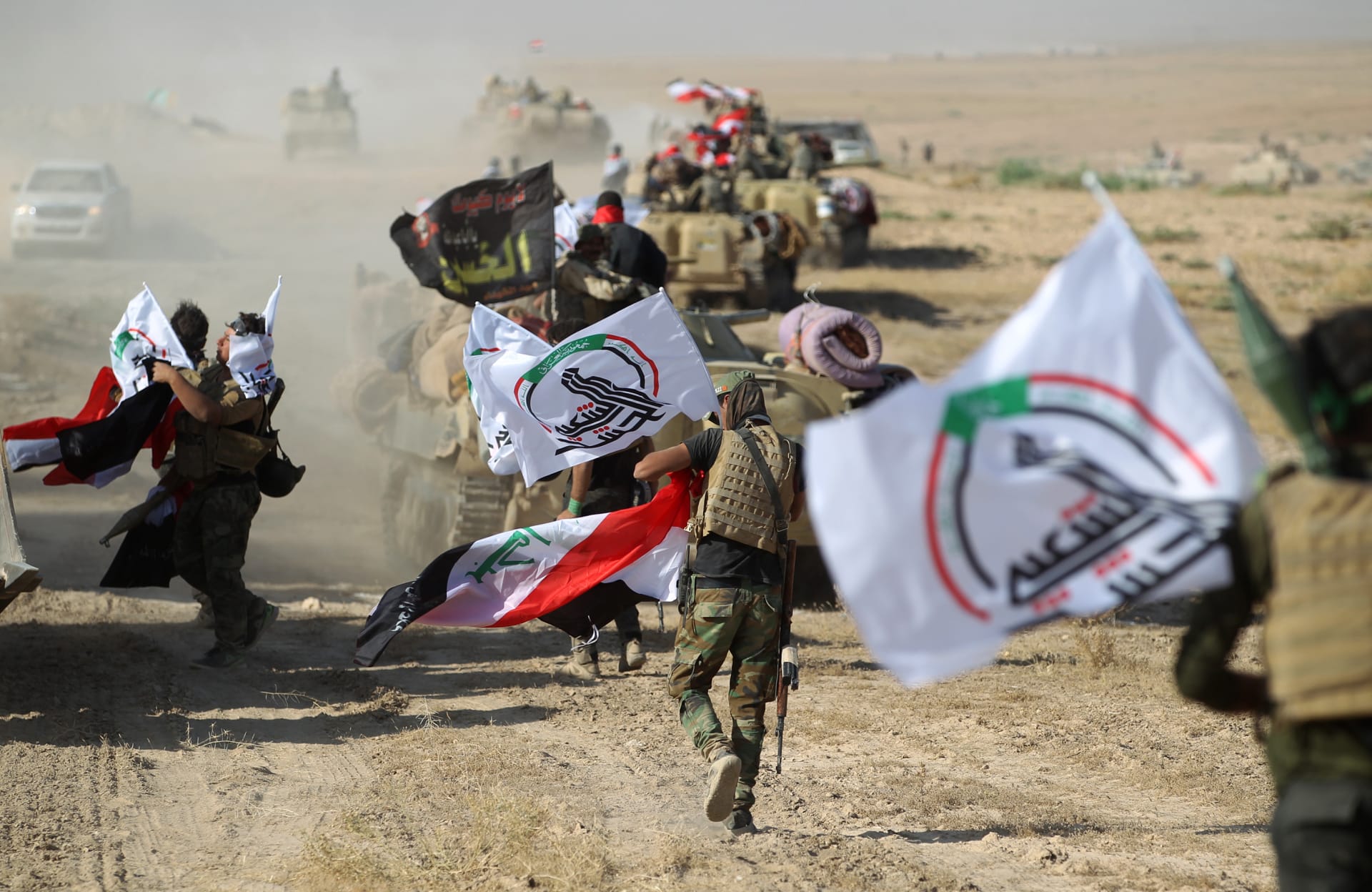
Numerous Iraqi politicians have condemned the repeated attacks on security forces and the Popular Mobilization Forces, with the latest being an attack on the Al-Habaniyah base in Anbar province. These incidents have sparked a wave of widespread condemnations, as many view them as a threat to the security and stability of the country.
In this context, National Security Advisor Qassem Al-Araji stressed the necessity of returning to the negotiating table and dialogue, pointing out the importance of ending the American-Israeli war against Iran. Al-Araji received political delegations in Baghdad to discuss the current security situation.
Details of the Incident
The recent attack on the Al-Habaniyah base, considered a strategic site for security forces, came after a series of attacks targeting other bases in various regions of Iraq. These attacks, attributed to armed groups, raise concerns about the Iraqi government's ability to protect its security institutions.
Fears are growing that these attacks could lead to greater security escalation in Iraq, especially with increasing regional tensions. Many observers have noted that these attacks may be part of a larger strategy aimed at destabilizing the country.
Background & Context
Historically, Iraq has witnessed numerous attacks on security forces, particularly following the American withdrawal in 2011. As the influence of armed groups has grown, the security situation has become more complicated. The Iraqi government faces significant challenges in controlling these groups, which benefit from the political and security chaos.
It is worth noting that the Popular Mobilization Forces were formed in 2014 to confront ISIS and have played an important role in reclaiming lost territories. However, the presence of these forces raises controversy regarding their role in Iraqi politics and their relationship with the government.
Impact & Consequences
The repeated attacks on security and Popular Mobilization Forces could exacerbate the security situation in Iraq, negatively impacting political stability. These events may also affect relations between Iraq and its neighbors, particularly Iran, which is considered a key ally of many of these groups.
If these attacks continue, the Iraqi government may resort to taking stricter measures against armed groups, potentially leading to an escalation of violence in the country. Additionally, these events could impact the government's reconstruction efforts and economic stability.
Regional Significance
The situation in Iraq serves as an indicator of broader regional tensions, which can affect security in neighboring countries. Any escalation in Iraq could have repercussions in Syria and Lebanon, where armed groups linked to Iranian influence operate.
Furthermore, the ongoing violence in Iraq may raise concerns among other Arab countries, which are striving for stability in the region. Therefore, the situation in Iraq requires greater international attention and cooperation among Arab states to ensure security and stability.
In conclusion, the security situation in Iraq remains fragile, and the international community needs to support the Iraqi government's efforts in addressing security and political challenges. Dialogue and cooperation are key to achieving peace and stability in the country.