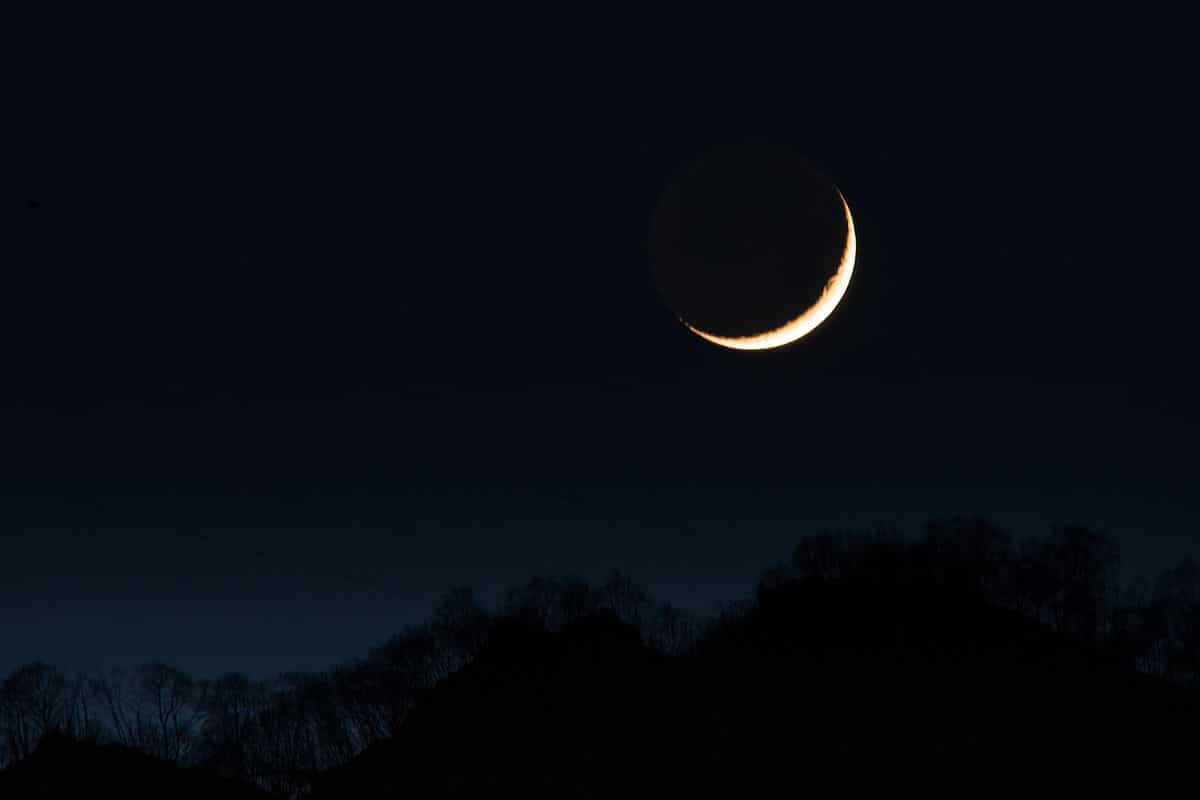
Dr. Al-Khudairi stated that the conditions for sighting the Shawwal crescent on Saturday evening are not met scientifically or religiously due to two main astronomical reasons. This comes as Muslims prepare to celebrate Eid al-Fitr.
He explained that the first reason is the lack of a clear sighting of the crescent in the sky, as the weather and astronomical conditions do not support the possibility of seeing the crescent on that day. The second reason relates to the expected time for sighting the crescent, as the specified time for its sighting coincides with sunset, making it difficult to see under these conditions.
Details of the Event
Sighting the Shawwal crescent is important for Muslims, as it determines the beginning of Eid al-Fitr. In this context, Dr. Al-Khudairi emphasized the importance of relying on scientific and religious criteria in determining the sighting of the crescent. He pointed out that there are many factors that affect the possibility of sighting the crescent, such as weather and natural light.
He also added that there is a need to unify efforts among relevant authorities in Islamic countries to facilitate the sighting process and ensure the accuracy of information provided to Muslims regarding the beginning of the lunar month.
Background & Context
Historically, crescent sighting relied on the naked eye, but with advancements in astronomical sciences, modern technology can now be used to determine crescent sighting times more accurately. In recent years, there has been a development in the use of astronomical devices to observe the crescent, which has helped reduce gaps between countries in determining the beginning of lunar months.
It is noteworthy that many Islamic countries rely on accurate astronomical calendars, while some still depend on traditional sighting, sometimes leading to discrepancies in the start dates of the month.
Impact & Consequences
The sighting of the crescent directly affects the dates of religious celebrations, making it a sensitive issue in Islamic communities. Differences in dates may lead to confusion among Muslims, especially in countries that share borders or follow different calendars.
Moreover, the inability to sight the crescent may impact commercial and social activities associated with Eid al-Fitr, necessitating relevant authorities to take necessary measures to ensure smooth operations during this period.
Regional Significance
In the Arab region, Eid al-Fitr is one of the most important religious and social occasions. As the holiday approaches, interest in crescent sighting increases, with attention turning to astronomers and relevant authorities in this field. Discrepancies in dates between countries may lead to social and cultural impacts, as Muslims in various countries strive to celebrate at the same time.
In conclusion, the topic of crescent sighting remains a subject of much discussion and debate, requiring Islamic communities to collaborate and coordinate to ensure the accuracy of information and unify celebrations.