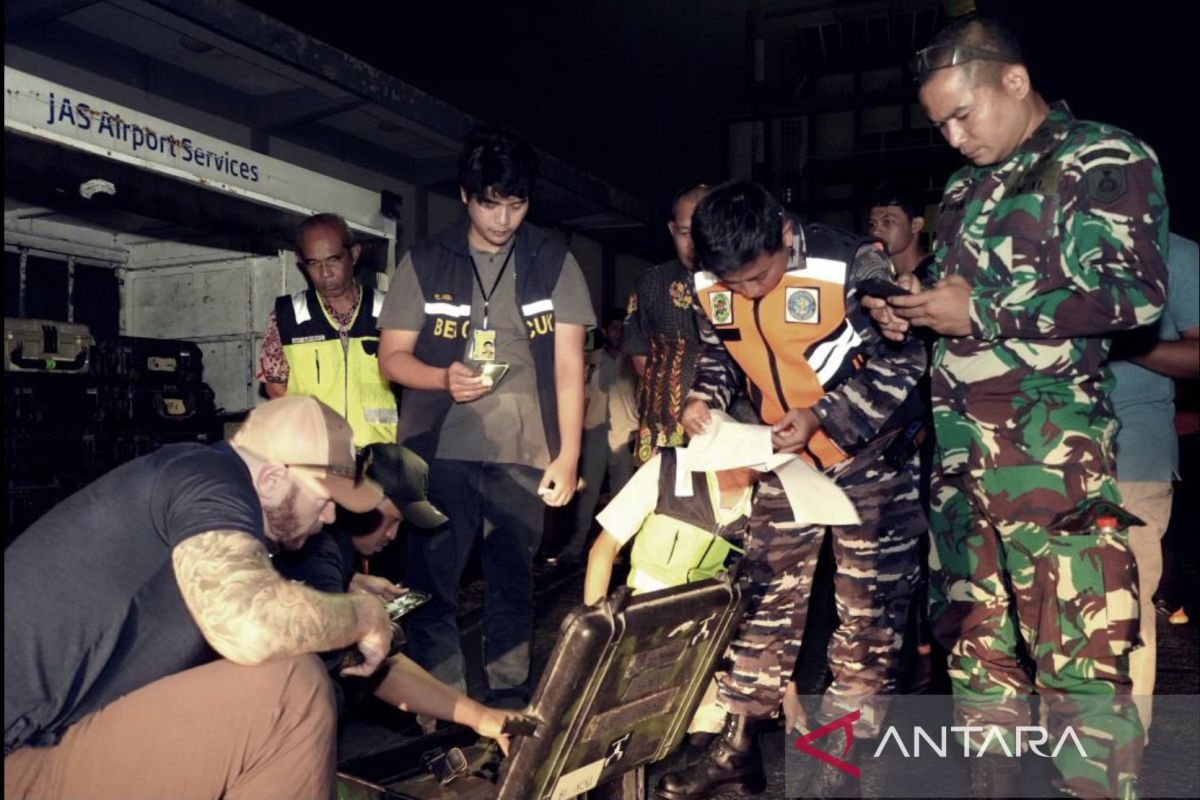
The Indonesian Navy's Frogman Command (Kopaska) carried out advanced training exercises focused on managing aircraft hijacking situations at Juanda International Airport in Sidoarjo, Indonesia. The drills, which lasted for 14 days, commenced on April 15, 2026, and are designed to enhance the forces' preparedness to tackle security threats, including dealing with explosive materials.
During these exercises, scenarios simulating aircraft hijacking operations were implemented, where a hijacked plane was forced to land at the airport. The Kopaska team was tasked with regaining control of the aircraft from the hijackers while facing challenges related to explosive devices.
Details of the Event
Under the supervision of Kopaska Commander Admiral TNI Sadarrianto, these drills were organized to improve the skills of the forces in addressing security threats. Advanced equipment such as bomb disposal robots and X-ray detection devices were utilized, reflecting the Indonesian forces' commitment to modernizing their military capabilities.
A bomb disposal team (EOD) was also integrated into the operations, where they identified and removed explosive devices in a safe environment. These exercises are part of a comprehensive strategy to enhance security in the country, particularly at critical sites like airports.
Background & Context
Historically, Indonesia has experienced several incidents related to hijacking and terrorism, prompting the government to strengthen its security measures. In recent years, terrorist threats have increased, leading the armed forces to develop new strategies to confront these challenges.
These drills are part of a larger plan to bolster national security, as the government seeks to secure airports and vital facilities from potential threats. Strengthening the capabilities of special forces is a crucial step in ensuring the safety of both citizens and visitors.
Impact & Consequences
These drills signify Indonesia's commitment to combating terrorism and enhancing air security. Amid regional tensions and rising threats, developing the capabilities of special forces is vital for protecting the nation.
Moreover, these exercises reflect the collaboration between the armed forces and other security agencies, enhancing the effectiveness of responses to any potential threats. Improving training levels and equipment is a fundamental step towards achieving security and stability in the region.
Regional Significance
Many Arab countries face similar challenges related to air security and counter-terrorism. Enhancing military capabilities and specialized training is essential to address the growing threats in the region.
Arab nations can benefit from Indonesia's experiences in training and qualification, which can enhance their ability to confront security challenges. Regional cooperation in this field can contribute to achieving security and stability in the area.
In conclusion, these drills represent a positive step towards enhancing security in Indonesia, underscoring the importance of preparedness to face increasing security threats.