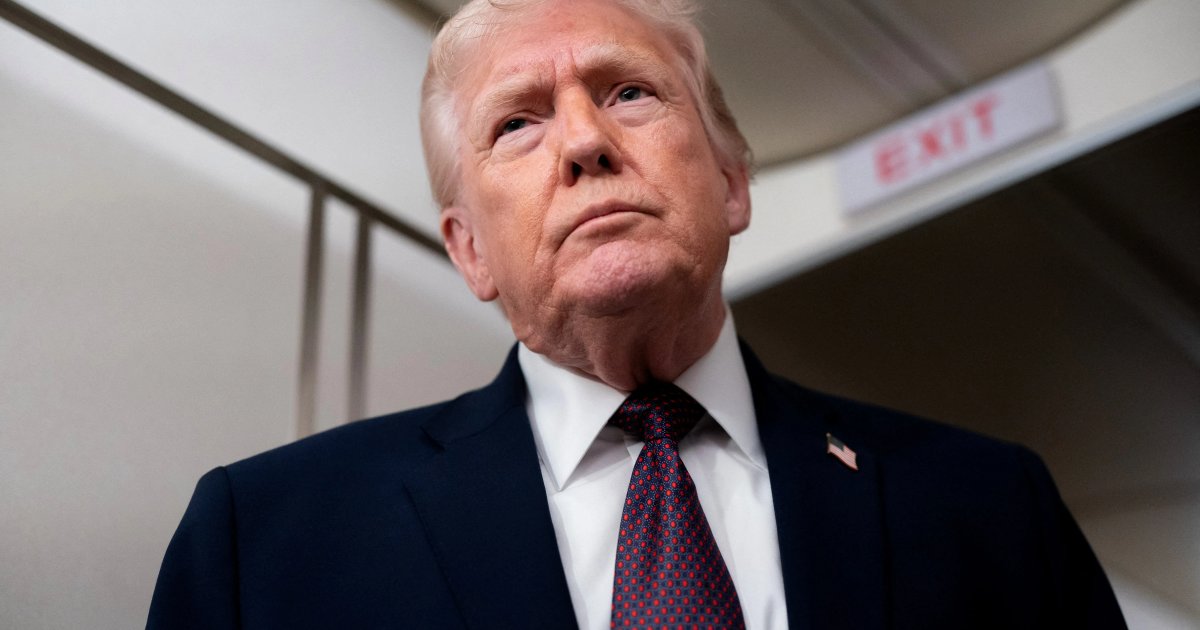
On Tuesday, the Iranian capital Tehran was hit by a series of airstrikes just hours before the deadline set by U.S. President Donald Trump. Trump had threatened to destroy Iranian infrastructure if the Strait of Hormuz, a vital artery for global energy supplies, was not opened.
These airstrikes come at a sensitive time, as tensions between the United States and Iran have significantly escalated. The military escalation reflects Washington's growing concern over Iranian activities in the region, which it perceives as a threat to both regional and international security.
Details of the Incident
According to local sources, the airstrikes targeted military sites in Tehran, resulting in significant material damage. These operations are part of the maximum pressure policy adopted by the Trump administration towards Iran, which includes economic sanctions and military threats.
It is noteworthy that Trump had set a deadline for Iran, threatening military action if the Strait of Hormuz was not opened. This strait is considered one of the most important maritime passages in the world, through which approximately 20% of global oil supplies pass. Any closure could lead to major disruptions in energy markets.
Background & Context
Historically, relations between the United States and Iran have seen increasing tensions since Washington's withdrawal from the nuclear agreement in 2018. This withdrawal led to the reimposition of harsh economic sanctions on Iran, negatively impacting its economy and sparking internal protests.
In recent years, Iran has increased its military activities in the region, including its support for armed groups in Iraq, Syria, and Lebanon. These activities have raised concerns among neighboring countries and the United States, leading to repeated escalations in tensions.
Impact & Consequences
The military escalation in Tehran could trigger a chain reaction in the region, where other countries may intervene in the conflict. This could lead to a larger escalation of the dispute, threatening the stability of the entire region.
Any military escalation could also affect global oil markets, potentially leading to price increases due to concerns over supply disruptions. This situation could impact the global economy, especially amid current economic crises.
Regional Significance
Arab countries neighboring Iran are on high alert, as any military escalation could affect their security and stability. Countries like Saudi Arabia and the UAE may be the most affected, as their economies heavily rely on stable oil markets.
Moreover, the escalation could lead to increased sectarian tensions in the region, deepening divisions between Arab countries and Iran. This situation could complicate efforts for peace and stability in the area.
In conclusion, the situation in Tehran remains under close observation, as any new developments could significantly impact international relations and regional security.