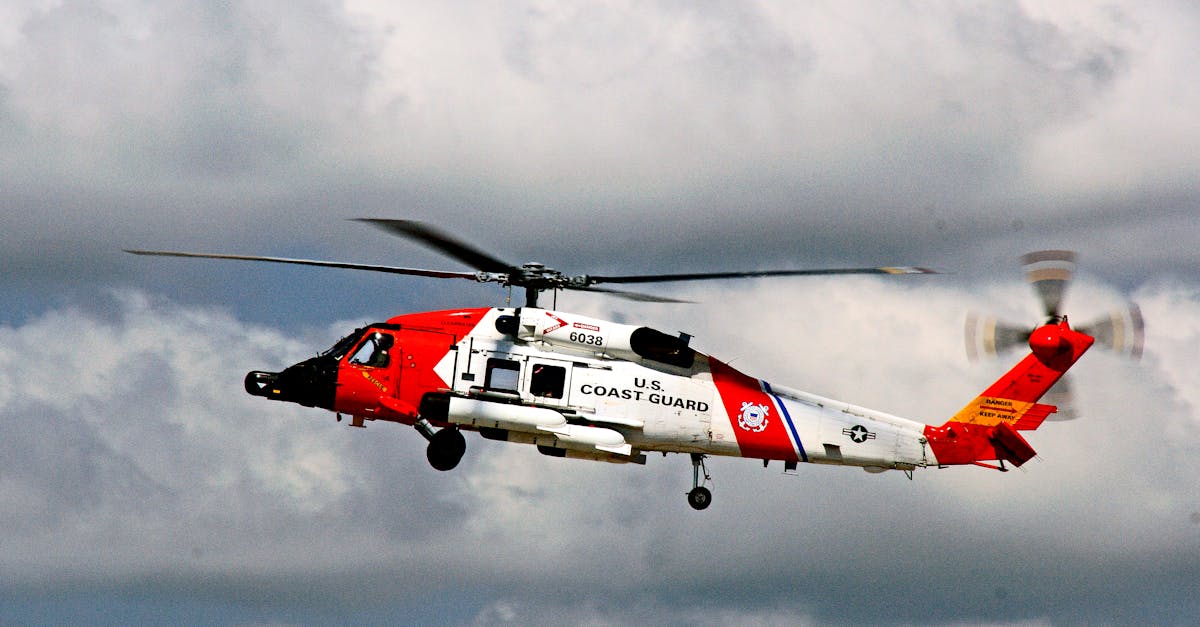
The CIA, in collaboration with the U.S. military, executed a complex rescue operation for an American pilot from an F-15 aircraft within Iranian territory. This carefully planned operation reflects the high level of coordination between military and intelligence agencies in facing escalating security challenges.
The operation was initiated after the American pilot found himself in a dangerous situation during a military mission, necessitating a swift and intricate intervention for his rescue. Reports indicate that the operation was conducted in complete secrecy, utilizing advanced techniques to ensure mission success and avoid any escalation with Iranian authorities.
Details of the Operation
According to sources, the operation took place late at night, employing drones and helicopters to transport special forces to the pilot's location. The operation lasted several hours, with the surrounding area secured before the rescue commenced. After securing the pilot, he was transported to a nearby U.S. military base.
The coordination among U.S. agencies was critical to the success of this mission, as intelligence information was exchanged rapidly to ensure the operation remained undetected by Iranian authorities. This operation is considered one of the most complex missions executed by the United States in the region in recent years.
Background & Context
This operation comes amid rising tensions between the United States and Iran, with relations between the two countries deteriorating significantly in recent years. U.S. military and intelligence operations in the region have become increasingly complex, especially following the U.S. withdrawal from the nuclear agreement with Iran.
Historically, there have been numerous U.S. military operations in Iran, but this operation stands out as one of the boldest and most intricate. The use of modern technology in executing military operations reflects the evolution of U.S. military strategies in confronting security challenges.
Impact & Consequences
The operation may lead to heightened tensions between the United States and Iran, as Iran is likely to respond to this operation in various ways, whether through official statements or military movements. This escalation could impact regional security and increase instability in the area.
Moreover, this operation may affect U.S. relations with its allies in the region, as other countries will closely monitor Iranian reactions. Additionally, this operation could encourage the United States to carry out similar missions in the future, potentially leading to further tensions.
Regional Significance
The operation may directly impact security in the Arab region, as rising tensions between the United States and Iran could lead to increased military activities in neighboring countries. Arab nations, facing multiple security challenges, may find themselves in a sensitive position requiring clear stances.
Furthermore, this operation could influence political stability in some Arab countries, as relations between these nations and Iran may be significantly affected. Under these circumstances, it becomes essential for Arab countries to adopt effective strategies to address the growing security challenges.
The secret operation executed by the United States reflects a high level of coordination and advanced intelligence, but it also raises questions about the future of U.S.-Iranian relations and its impact on regional security.