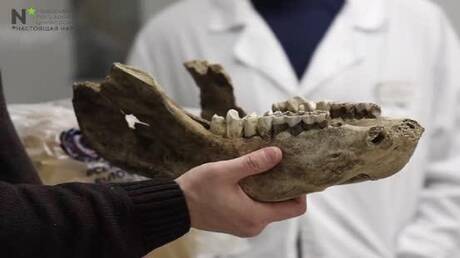
Scientists at Novosibirsk State University have conducted, for the first time, computed tomography scans of woolly rhinoceros jaws. This step represents a significant scientific achievement in the study of extinct species, as CT scans provide precise information about the internal structure of the jaws, aiding in the understanding of the feeding habits and environmental behaviors of these ancient animals.
The woolly rhinoceros, which lived during the Ice Age, is considered one of the largest mammals to have ever roamed the Earth. This species went extinct approximately 10,000 years ago, but scientists have been able to find remains in Siberian regions, where they have been preserved in ice. These new scans may reveal more about how these animals adapted to their harsh environment.
Details of the Event
These scans are part of a broader research project aimed at studying extinct species in Siberia. Researchers employed advanced CT scanning techniques to obtain accurate 3D images of the jaws, allowing them to analyze the skeletal structure in unprecedented detail. This technology helps determine how jaws evolved in different rhinoceros species and provides new insights into the evolution of mammals during the Ice Age.
Scientists also noted that these scans could assist in understanding the reasons behind the extinction of the woolly rhinoceros, including climate changes and human hunting. By studying these factors, scientists can gain valuable insights into how environmental changes affect living species.
Background & Context
Historically, the woolly rhinoceros inhabited vast areas of Europe and Asia, adapting to harsh climatic conditions. However, its extinction serves as an example of how human activities and environmental changes impact biodiversity. In recent years, scientists have increased efforts to understand these dynamics, as studying extinct species is a crucial part of evolutionary biology.
Siberia is a region rich in information about extinct species, with many remains found preserved in ice. These discoveries provide scientists with a unique opportunity to study life in ancient times and understand how ecosystems evolved over time.
Impact & Consequences
These scans represent an important step toward enhancing scientific understanding of biodiversity and may contribute to developing strategies for conserving endangered species today. By understanding how environmental changes affected ancient species, scientists can offer recommendations on how to protect current species from extinction.
Additionally, this research may open new avenues in the field of paleontology, helping to advance knowledge about the evolution of life on Earth. Understanding extinct species can provide valuable lessons on how to address current environmental challenges.
Regional Significance
Although the woolly rhinoceros did not inhabit the Arab region, understanding how environmental changes affect extinct species can have global implications. Given the current environmental challenges, such as climate change and habitat loss, studies like this help raise awareness in communities about the importance of preserving biodiversity.
This research can inspire scientists and researchers in Arab countries to adopt new methods in studying local endangered species, thereby enhancing efforts to protect the environment and biodiversity in the region.
The CT scans of the woolly rhinoceros jaws represent an important step in understanding the history of life on Earth. Through this research, scientists can contribute to the protection of endangered species today, reflecting the significance of scientific research in addressing global environmental challenges.