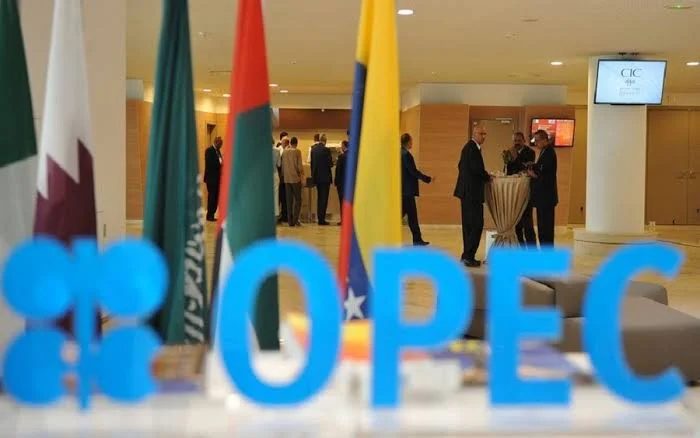
The Joint Ministerial Monitoring Committee (JMMC) convened its sixty-fifth meeting through video conferencing, where several important issues concerning global oil markets were discussed. This meeting takes place during a sensitive period characterized by significant market volatility.
During the meeting, the results of the production cut agreement were reviewed, with reports indicating that some member countries have made notable progress in adhering to their allocated quotas. The importance of cooperation among member states was emphasized to ensure price stability in global markets.
Event Details
The member countries of the committee gathered to review the overall performance of oil markets, analyzing data related to production and consumption. Participants noted that the demand for oil has begun to recover after a period of decline due to the COVID-19 pandemic, necessitating appropriate measures to ensure market balance.
The challenges faced by some countries in adhering to the specified quotas were also discussed, with new mechanisms proposed to enhance cooperation and information exchange among members. The meeting saw wide participation from relevant ministers, reflecting the significance of this event in the context of global oil policy.
Background & Context
The Joint Ministerial Monitoring Committee (JMMC) was established in 2016 as part of the efforts of oil-producing countries to ensure market stability. The committee includes oil ministers from OPEC member states and non-OPEC producing countries. This committee has proven effective in managing previous oil crises.
In recent years, oil prices have experienced significant fluctuations due to various factors, including geopolitical tensions, changes in global demand, and technological advancements in the energy sector. These factors make the periodic meetings of the committee essential for maintaining market stability.
Impact & Consequences
The decisions made by the Joint Ministerial Monitoring Committee directly affect global oil prices, which in turn impacts the global economy. If effective decisions are made, this could lead to price stability and increased market confidence.
On the other hand, if member countries fail to reach a consensus, this could exacerbate market crises, negatively affecting economies dependent on oil. Therefore, the success of these meetings relies on the ability of member states to work together.
Regional Significance
Arab countries are among the largest oil producers in the world, and any changes in production policy significantly impact their economies. Countries like Saudi Arabia, Iraq, and Kuwait heavily rely on oil revenues, making price stability vital.
Moreover, stable oil markets contribute to enhancing investments in the region and bolster governments' ability to implement sustainable development projects. Thus, monitoring the outcomes of the committee's meetings is crucial for analysts and investors in the region.
In conclusion, the meeting of the Joint Ministerial Monitoring Committee represents an important step towards enhancing cooperation among oil-producing countries and reflects the challenges these nations face amid changing global economic conditions.