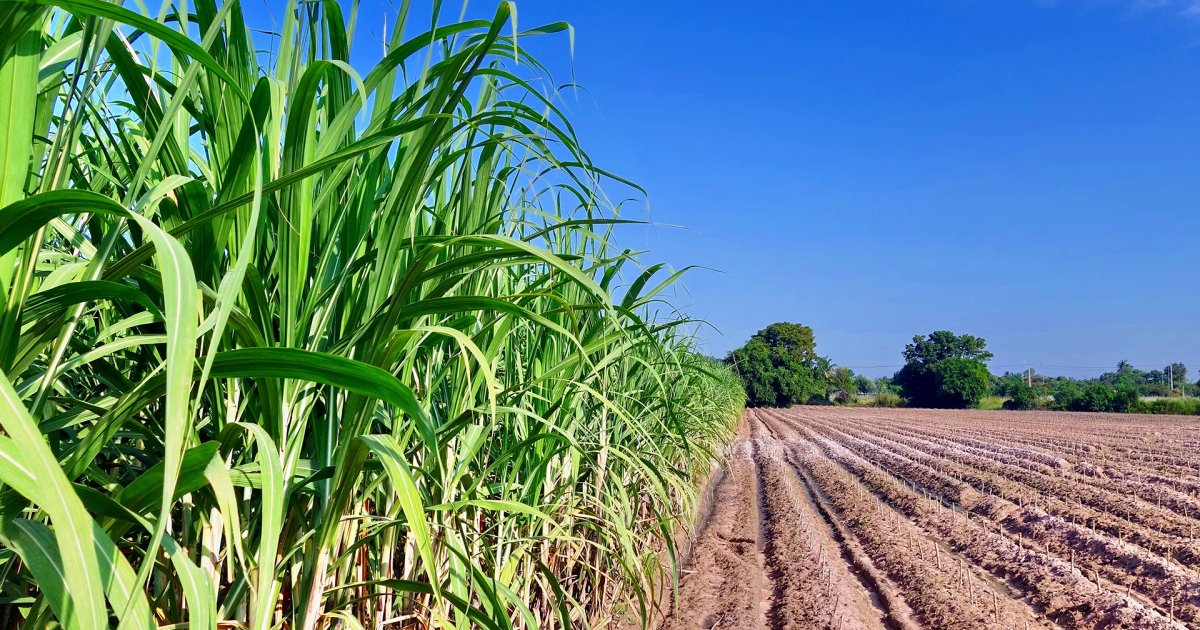
Ahmad Rizal Ramdhani, the General Director of the Indonesian company PTPN, announced the company's readiness to absorb the sugarcane crop from Blora farmers starting May 2026, according to government-set prices. This announcement was made during a business visit to the Jendiss Multi Manis company, where meetings with farmers and stakeholders took place.
In his statements, Ramdhani emphasized that this step is in response to the demands of farmers, as a meeting was organized with several community figures and farmers in Blora, providing an opportunity for open dialogue about the future of the crop.
Details of the Event
During the visit, Ramdhani met with several prominent figures in the region, including the Mayor of Blora, Arif Rohman, and members of the company's board. The discussions centered on how to ensure the effective absorption of the crop, emphasizing the importance of continuous communication with farmers to ensure their interests are met.
The topic of distributing the sugarcane crop to sugar factories in Central Java was also addressed, where PTPN will take responsibility for ensuring the continuity of the supply chain, contributing to the stability of national sugar production.
Background & Context
Indonesia is one of the sugar-producing countries in Southeast Asia, where many farmers rely on sugarcane cultivation as a primary source of income. With the increasing demand for sugar both locally and globally, the Indonesian government is seeking to boost local production by supporting farmers and providing fair prices for their products.
Historically, the sugar industry in Indonesia has faced numerous challenges, including price fluctuations and competition from imported products. Therefore, these steps by PTPN come at a critical time to enhance stability in this sector.
Impact & Consequences
This move by PTPN is seen as significant support for farmers, providing them with financial security and ensuring the continuity of their operations. Absorbing the crop at government prices reflects the government's commitment to supporting local agriculture and enhancing food security.
Moreover, improving the management of Jendiss Multi Manis through restructuring will enhance the company's efficiency and increase its capacity to meet market needs. These improvements could lead to increased productivity and thus improve the economic situation in the region.
Regional Significance
Although this news pertains to Indonesia, it holds important implications for the Arab region, where many Arab countries face similar challenges in the agricultural sector. Enhancing local production and supporting farmers could serve as a model for Arab countries striving to achieve food security.
In conclusion, it can be said that PTPN's steps reflect the importance of cooperation between the government and farmers to achieve sustainable development in the agricultural sector, contributing to the enhancement of the national economy.