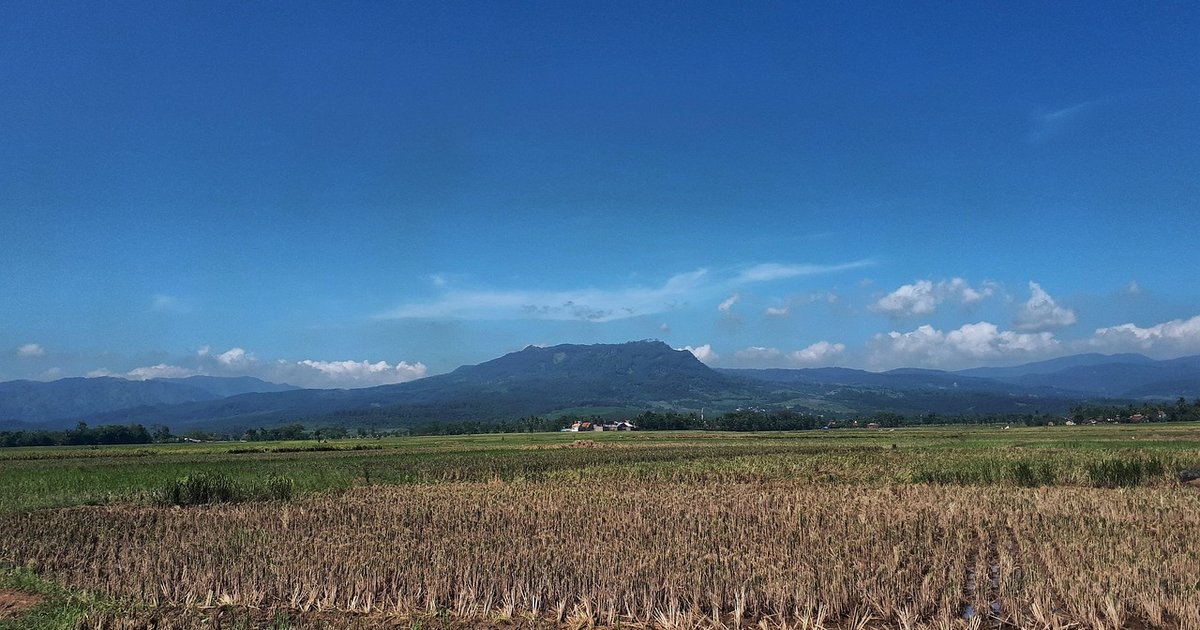
Ahmad Rizal Ramdhani, the CEO of Bulog Indonesia, confirmed that the government’s target to absorb 4 million tons of rice by 2026 is achievable, thanks to collaboration among various stakeholders, including local government, the military, police, and farmers. This statement was made during his participation in the rice harvest activities in the village of Badiran, located in Ngawi Regency, East Java.
During the harvest, Ramdhani emphasized the importance of this collaboration in achieving the specified goals, stating, "Today we are here to witness the rice harvest and ensure that the target of absorbing 4 million tons will be achieved as planned, based on the directives of the Indonesian president, through the efforts of all parties involved."
Event Details
Ramdhani reported that the rice stock available in the company’s warehouses reached 4.4 million tons as of April 3, 2026, reflecting a significant success in achieving government objectives related to food security. He confirmed that this achievement is evidence of Indonesia's ability to achieve self-sufficiency in rice by the year 2026.
He also noted that the prices received by farmers align with the prices set by the government, emphasizing that rice in Ngawi is purchased at prices exceeding the government purchase price, which contributes to improving farmers' income.
Background & Context
Indonesia is considered one of the largest rice-producing countries in the world, with a significant portion of its population relying on this crop as a staple food. The Indonesian government has established strategic plans to achieve rice self-sufficiency as part of its efforts to enhance food security in the country. With the increasing challenges posed by climate change and economic factors, it has become essential to strengthen cooperation among various parties to achieve these goals.
Historically, Indonesia has faced numerous challenges in the agricultural sector, including price fluctuations and unstable weather conditions. However, current efforts aim to improve productivity and enhance cooperation between farmers and government entities.
Impact & Consequences
Achieving the goal of absorbing 4 million tons of rice has positive implications for the Indonesian economy, as it contributes to enhancing food security and increasing farmers' income. This achievement also reflects the government's capability to manage resources and achieve sustainable development.
Furthermore, Indonesia's success in achieving rice self-sufficiency could serve as a model for other countries facing similar challenges in the agricultural sector, thereby promoting regional and international cooperation in this field.
Regional Significance
As many Arab countries strive to enhance their food security, Indonesia's experience in achieving rice self-sufficiency can serve as an inspiration. Arab nations face similar challenges, such as reliance on imports and climate fluctuations, necessitating the enhancement of local production and cooperation among various stakeholders.
In conclusion, the success in absorbing 4 million tons of rice represents an important step towards achieving food security in Indonesia, reflecting the significance of collaboration among all stakeholders in this field.