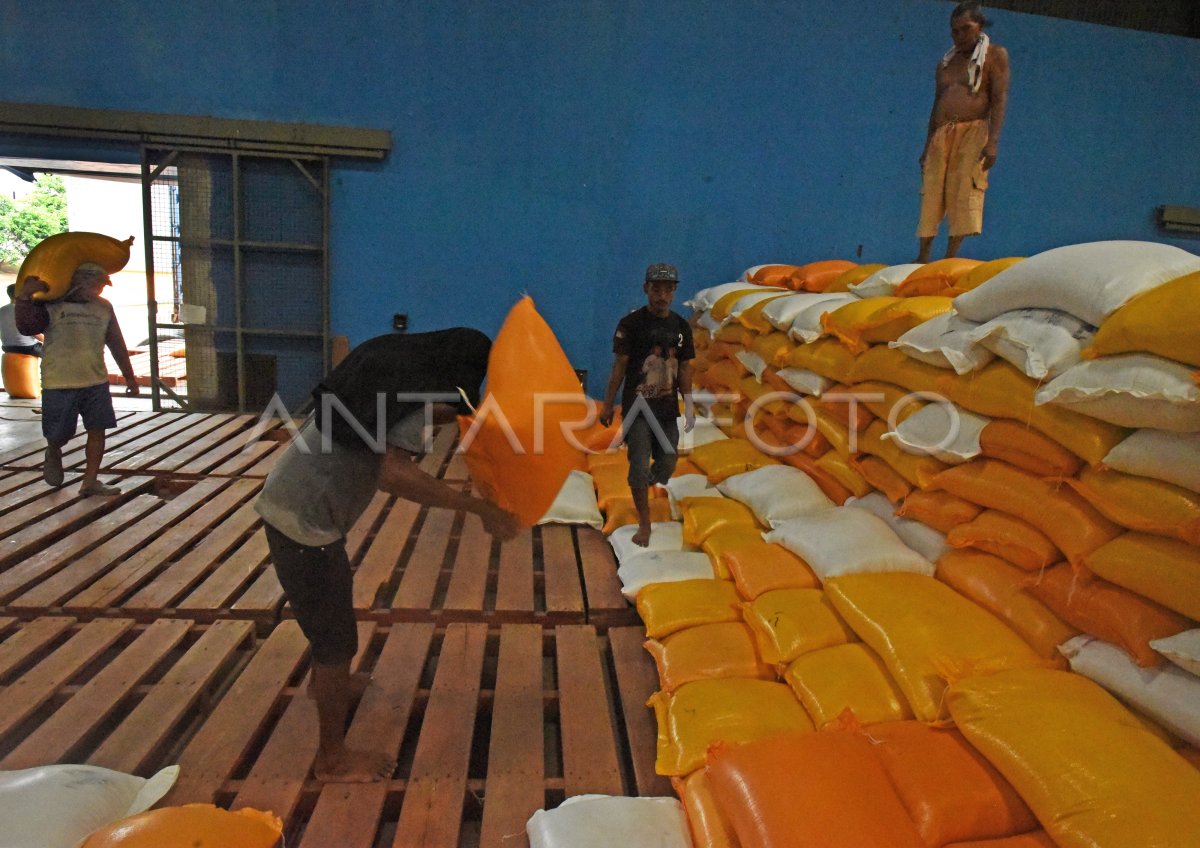
Ahmad Rizal Ramdhani, the general director of Indonesian Perum Bulog, confirmed that the national rice stock is secure, reaching 4.4 million tons, the highest level ever recorded. This announcement came during his visit to the company's warehouses in the Jeng area of Ngawi province last Saturday.
Ramdhani noted that this stock reflects a significant increase in national agricultural production, as the warehouse in Ngawi was filled with rice, indicating the success of the agricultural policies implemented in the country.
Event Details
According to Ramdhani's statements, the national rice stock as of April 3, 2026, reached 4.4 million tons, compared to 4.2 million tons the previous year. He emphasized that this figure reflects the country's ability to achieve self-sufficiency in rice, with expectations that the stock will continue to increase in the coming months.
He explained that there is an eight-month period for continuing rice purchases from farmers, which enhances the possibility of increasing the stock to 6 million tons by the end of the year. He stressed the importance of assuring citizens that there is no need for concern regarding food availability, as the stock is sufficient to meet local market needs.
Background & Context
Historically, Indonesia has heavily relied on rice imports to meet its food needs. However, in recent years, there have been increasing efforts towards achieving self-sufficiency, supported by modern agricultural technologies and improvements in government policies. These efforts have contributed to a rise in local rice production, enabling the country to face climate challenges such as the El Niño phenomenon.
Ngawi province is considered one of the main agricultural areas in Indonesia, producing approximately 770,000 tons of rice annually. This substantial production significantly contributes to achieving food security in the country.
Impact & Consequences
This increase in rice stock is a positive indicator of Indonesia's ability to achieve food security, especially amidst climate challenges that may affect agricultural production. Moreover, these figures reflect the success of government policies in supporting farmers by providing competitive purchasing prices and technical assistance.
These policies are expected to enhance confidence in the local market, which may contribute to stabilizing rice prices and reducing concerns related to food shortages. Additionally, the increase in stock may open new avenues for export, thereby boosting the national economy.
Regional Significance
Indonesia's experience in achieving self-sufficiency in rice serves as a model for Arab countries, many of which face similar challenges in securing their food needs. Arab nations can benefit from this experience by adopting effective agricultural policies and enhancing local production.
In light of climate changes and economic pressures, it becomes essential for Arab countries to strengthen their agricultural capabilities and achieve self-sufficiency in essential crops such as rice and wheat.