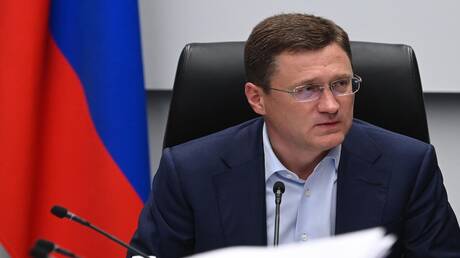
Russian Deputy Prime Minister Alexander Novak confirmed that the schedules for compensating excess oil production among OPEC+ member states participating in voluntary production cuts have not changed, reflecting the commitment of member countries to the agreed-upon strategies. This confirmation comes at a critical time when oil markets are experiencing significant volatility due to geopolitical and global economic changes.
OPEC+ is a coalition of oil-producing nations that includes OPEC members and other countries such as Russia. This group was formed to achieve stability in global oil markets through production cuts. These strategies have proven effective in improving prices over the past years.
Details of the Announcement
Novak, who also serves as Russia's Minister of Energy, stated that the deadlines for compensating excess production have not changed, indicating that member countries will adhere to the set quotas without any adjustments. This stability in timelines reflects the desire of member countries to maintain market balance, especially amid current challenges.
These statements come at a time when the world is witnessing rising oil prices, increasing the importance of coordination among OPEC+ member states. Novak noted that any future changes in production will be carefully studied to ensure they do not negatively impact the market.
Background & Context
OPEC was established in 1960 with the aim of coordinating oil production policies among member states. Over time, other countries joined the organization, leading to the formation of OPEC+, which currently includes 23 countries. This group has faced numerous challenges, including fluctuations in global oil demand, economic crises, and geopolitical conflicts.
In recent years, there have been increasing calls from some member countries to raise production to counter rising prices. However, Novak emphasizes that stability is the top priority at this time, reflecting a deep understanding of the challenges facing the market.
Impact & Consequences
The impact of these statements could be significant on global oil markets. If OPEC+ continues to maintain its current strategies, this could lead to price stability in the short term. However, any future changes could result in market volatility, requiring investors and analysts to closely monitor the situation.
Moreover, the stability of compensation schedules may help strengthen trust among member countries, potentially leading to further cooperation in the future. This collaboration may be essential to tackle future challenges that could affect oil markets.
Regional Significance
Arab oil-producing countries are a crucial part of OPEC+, and therefore, the stability of compensation schedules directly impacts their economies. Countries like Saudi Arabia, the UAE, and Kuwait heavily rely on oil revenues, and any changes in production could affect their public budgets.
Furthermore, stable oil prices can contribute to boosting investments in the region, potentially leading to sustainable economic growth. Thus, Novak's statements hold significant importance for Arab oil-producing countries.
In conclusion, amid changing global economic conditions, the stability of excess production compensation schedules in OPEC+ remains vital for maintaining market balance. Novak's statements reflect the commitment of member countries to cooperation and coordination to ensure the stability of oil markets.