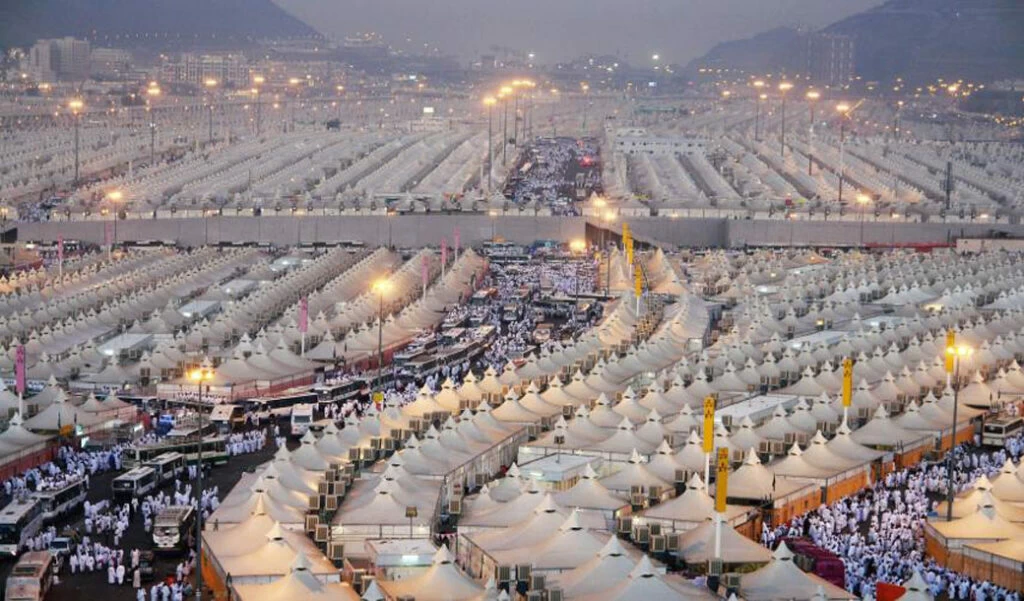
Hussein Al-Qahtani, spokesperson for the National Meteorological Center, confirmed that the sun alignment, which occurs annually, is not associated with exceptional increases in temperature. He explained that this natural astronomical phenomenon does not significantly impact the announced temperature figures.
Al-Qahtani indicated that the expected temperatures during the last third of the night and Tashreeq nights will range between 29 and 31 degrees Celsius. These figures reflect a relative stability in weather conditions, contributing to the comfort of pilgrims and worshippers in the holy sites.
Event Details
In the context of monitoring weather conditions, Al-Qahtani clarified that the National Meteorological Center continues to observe the potential formation of clouds over Taif Governorate. However, he confirmed that the impact of these clouds on the holy sites will be limited at this time. He noted that the situation is under continuous observation, and any developments will be announced should opportunities for cloud formation or movement toward the holy sites arise.
This information is crucial for pilgrims and worshippers, as it aids in planning their trips and performing their rituals in comfortable conditions. Additionally, knowing the expected temperatures helps in taking necessary precautions against any sudden weather changes.
Context and Background
The sun alignment is an astronomical event that occurs when the sun is at its highest point in the sky, resulting in equal shadows. This event typically happens during certain times of the year and is considered part of the natural phenomena that characterize the seasons. In many cultures, the sun alignment is associated with religious and cultural occasions, increasing its significance in various communities.
In Saudi Arabia, the sun alignment is part of the traditions associated with the Hajj season, where millions of pilgrims flock to the holy sites. Therefore, knowing the weather conditions during this period is vital to ensure the safety of the pilgrims.
Consequences and Impact
The impact of the sun alignment on temperatures may be slight, but it holds significant importance in the social and religious context. With the increasing number of pilgrims and worshippers, it becomes essential to provide accurate information about weather conditions to ensure their comfort and safety.
Moreover, stable temperatures enhance the pilgrims' experience, allowing them to perform their rituals without worrying about sudden weather changes. This also reflects the efficiency of the National Meteorological Center in providing necessary information to citizens and visitors.
Impact on the Arab Region
Weather conditions are a fundamental part of daily life in the Arab region, affecting agriculture, economic activities, and tourism. Thus, accurate information about temperatures and weather forecasts gains special importance amid the climate changes the world is witnessing.
Arab countries are working to improve their weather monitoring systems, contributing to better preparations for climate changes. In this context, the National Meteorological Center in Saudi Arabia serves as a model for providing accurate and reliable information.
In conclusion, the information provided by the National Meteorological Center reflects the importance of continuous weather monitoring, especially during the Hajj and Umrah seasons. The center remains committed to providing the best services to citizens and visitors, enhancing the experience of pilgrims in the holy sites.