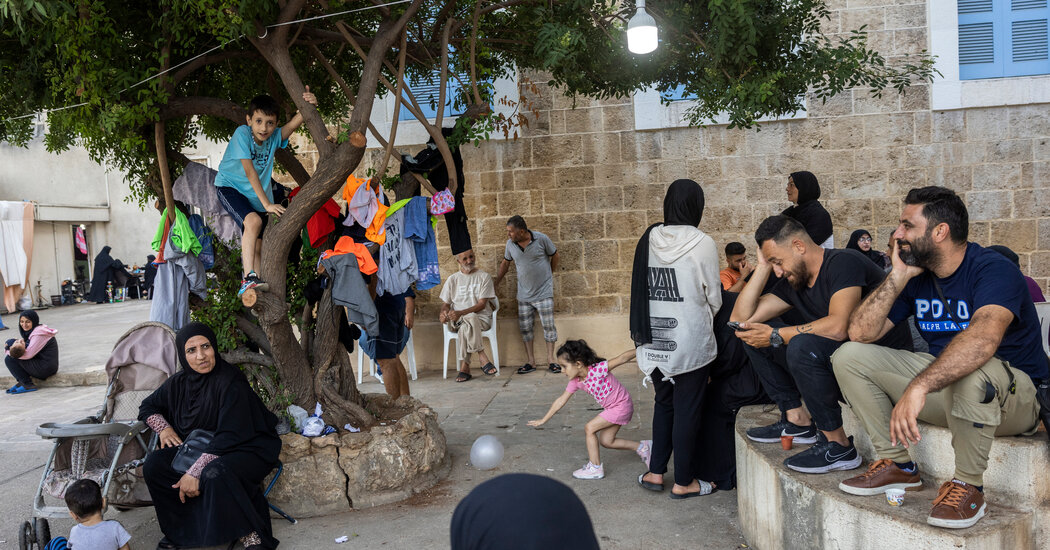
Reports indicate that war and displacement in Lebanon have deprived nearly 500,000 students of education, threatening their academic futures. This situation highlights the profound impact of conflict on the country's educational system.
Statistics show that the number of students affected by the ongoing conflict in Lebanon has surpassed 500,000, reflecting an unprecedented educational crisis. These students are suffering from a loss of basic educational opportunities, which could lead to negative repercussions for their futures.
Details of the Situation
The numbers are rapidly increasing, as reports indicate that many schools have closed their doors due to the ongoing conflict, forcing students to drop out of education. At the same time, the educational system is facing a severe shortage of resources, making it increasingly difficult to provide quality education to the remaining students.
These numbers are distributed across different regions, with the largest concentrations in the areas most affected by the conflict. Additionally, internal and external displacement complicates the situation, as many families are forced to relocate in search of safety, impacting the stability of their children's education.
Background & Context
Historically, Lebanon has experienced multiple conflicts that have significantly affected its social and economic stability. Since the outbreak of the civil war in the 1970s, the country has suffered from the effects of ongoing conflict, leading to a deterioration of educational infrastructure. As political and economic crises have increased, conditions have worsened, making education one of the most affected sectors.
In recent years, pressures on the educational system have intensified due to the influx of refugees from Syria, adding an additional burden on schools and educational resources. These conditions reflect the significant challenges faced by the Lebanese government in its efforts to provide education for all.
Impact & Consequences
This educational crisis directly affects the future of Lebanese youth, as students struggle to acquire the necessary skills to face the job market. The loss of education can lead to increased rates of unemployment and poverty, negatively impacting social stability in the country.
Moreover, depriving children of education can lead to the proliferation of negative phenomena such as extremism and violence, as youth find themselves in unstable environments. Therefore, addressing this educational crisis is an urgent necessity to maintain peace and stability in Lebanon.
Regional Significance
The education crisis in Lebanon is part of a broader crisis facing the Arab region, where many countries are suffering from the effects of conflicts and wars. Depriving children of education in Lebanon can have negative repercussions on neighboring countries, potentially leading to increased migration and displacement.
In this context, the international community must intensify its efforts to support education in Lebanon, as investing in education is an investment in the future of the entire region. Providing quality education for children and youth is a fundamental step towards achieving peace and sustainable development.
In conclusion, the education crisis in Lebanon represents a significant challenge that requires an urgent response from all stakeholders. There must be clear strategies to support affected students and ensure their right to education, contributing to building a better future for Lebanon and the region.