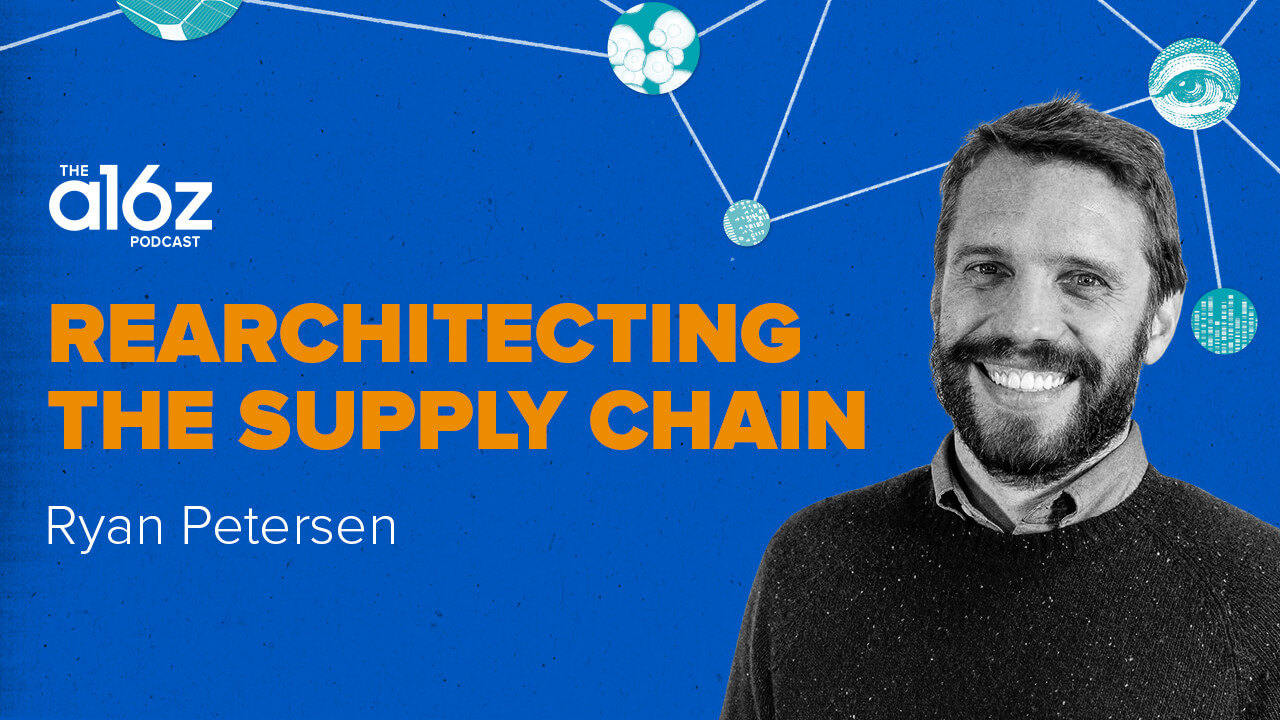
In a discussion with Romain Bostic and Isabel Lee, Ryan Petersen, the CEO of Flexport, emphasized that the Strait of Hormuz is a vital point for securing global energy supplies. He explained that any disruption in this region could lead to negative effects on global supply chains, which would reflect on markets and economies worldwide.
Petersen pointed out that the ongoing conflict in Iran creates a state of uncertainty, increasing the risks associated with fertilizer supplies, which could affect agricultural production in many countries. The Strait of Hormuz is a critical passage for oil and gas transport, with approximately 20% of total global oil supplies passing through it.
Details of the Situation
Petersen discussed how regional conflicts impact supply chains, indicating that the situation in Iran could lead to significant fluctuations in energy prices. He also mentioned that countries relying on imports from this region may face substantial challenges in securing their energy and essential resource needs.
He stressed that companies must be prepared to tackle these challenges by diversifying their supply sources and reducing reliance on a single region. This requires new strategies in risk management and logistical planning.
Background & Context
Historically, the Strait of Hormuz has been a focal point for geopolitical conflicts, witnessing numerous disputes among major powers. This situation has heightened the importance of securing this waterway, especially amid escalating tensions between Iran and the West. Any escalation in these tensions could lead to the closure of the strait, resulting in crises in energy supplies.
Fertilizers are also essential elements in agriculture, with many countries depending on imports to meet their needs. Thus, any disruption in fertilizer supplies could have negative effects on global food security.
Impact & Consequences
Disruptions in supply chains can lead to rising prices for food and energy, impacting the global economy. Developing countries may be the most affected, facing challenges in securing their basic needs.
Furthermore, companies relying on supplies from this region may need to reassess their business strategies, potentially leading to changes in global markets.
Regional Significance
The Arab countries neighboring Iran are among the most affected by the conflict in the region. Increased tensions could lead to a flow of refugees and heightened security threats, impacting regional stability.
Arab nations that rely on energy supplies from Iran may face challenges in securing their needs, necessitating the search for alternatives to ensure their economic stability.
In conclusion, the situation in Iran and the Strait of Hormuz poses a significant challenge for the entire world, requiring a coordinated response from nations and companies to ensure the stability of global supply chains.