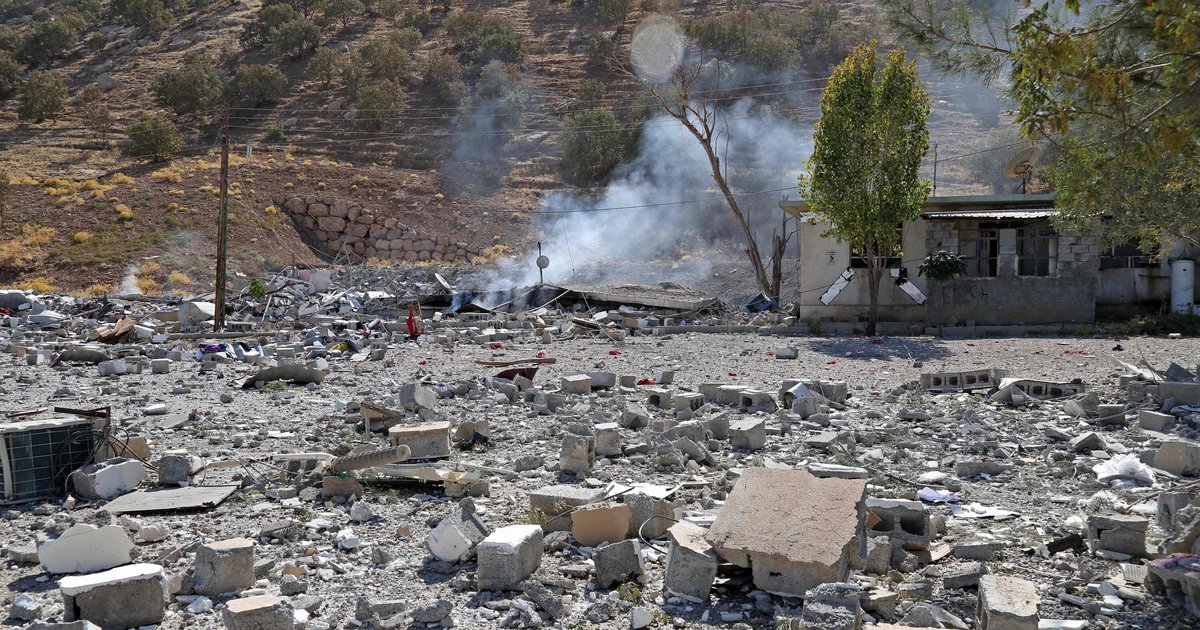
The ongoing armed conflict along the border between Iraq and Iran has resulted in the isolation of many families and disrupted trade, significantly affecting the daily lives of local residents. Since the escalation of tensions in the region, families have faced increasing difficulties in communicating with their relatives, while trade that was once thriving has come to a halt.
Reports indicate that the war has led to the closure of many border crossings, making it challenging for traders to transport essential goods between the two countries. This situation has not only impacted the local economy but has also exacerbated the suffering of families who rely on trade as a primary source of income.
Details of the Conflict
The intensity of the conflict along the Iraq-Iran border is increasing, with villages and border areas subjected to repeated shelling, complicating the daily lives of residents. Local sources have reported that many families have become trapped, unable to access basic services such as healthcare or education.
At the same time, traders are suffering significant losses due to the closure of crossings, as the Iraq-Iran border was one of the most active trade points in the region. With rising tensions, it has become difficult for traders to move goods, leading to a severe shortage of essential items.
Background & Context
Historically, the Iraq-Iran border has witnessed numerous armed conflicts, especially during the Iran-Iraq War in the 1980s. However, the current situation is markedly different, intertwining complex political and economic factors. Since the withdrawal of American forces from Iraq, Iranian influence in the region has increased, leading to heightened tensions between the two countries.
The Iraq-Iran border is considered a strategic area, linking major markets in both countries. However, ongoing conflicts hinder any efforts for development and stability, leaving local populations in a state of uncertainty.
Impact & Consequences
The war along the Iraq-Iran border directly affects the lives of millions of people. As the conflict escalates, the chances of poverty and unemployment increase, exacerbating humanitarian conditions. Additionally, shortages of essential goods may lead to rising prices, further increasing the suffering of poor families.
Moreover, the conflict could lead to the spread of diseases and epidemics, as residents cannot access necessary healthcare. This poses a significant threat to public health in the region, necessitating international community intervention to assist those affected.
Regional Significance
The conflict along the Iraq-Iran border is part of a larger picture of tensions in the Arab region. As conflicts in the Middle East escalate, neighboring countries are directly affected, as the conflict could lead to an influx of refugees and increased tensions between nations.
The current situation may also impact trade relations between Iraq and other Arab countries, as regional trade flows could be significantly affected. Consequently, the stability of the region depends on resolving the conflict and achieving peace between Iraq and Iran.
In conclusion, the situation along the Iraq-Iran border requires urgent attention from the international community. As the conflict continues, the suffering of families increases, calling for joint efforts to end the conflict and provide support to those affected.