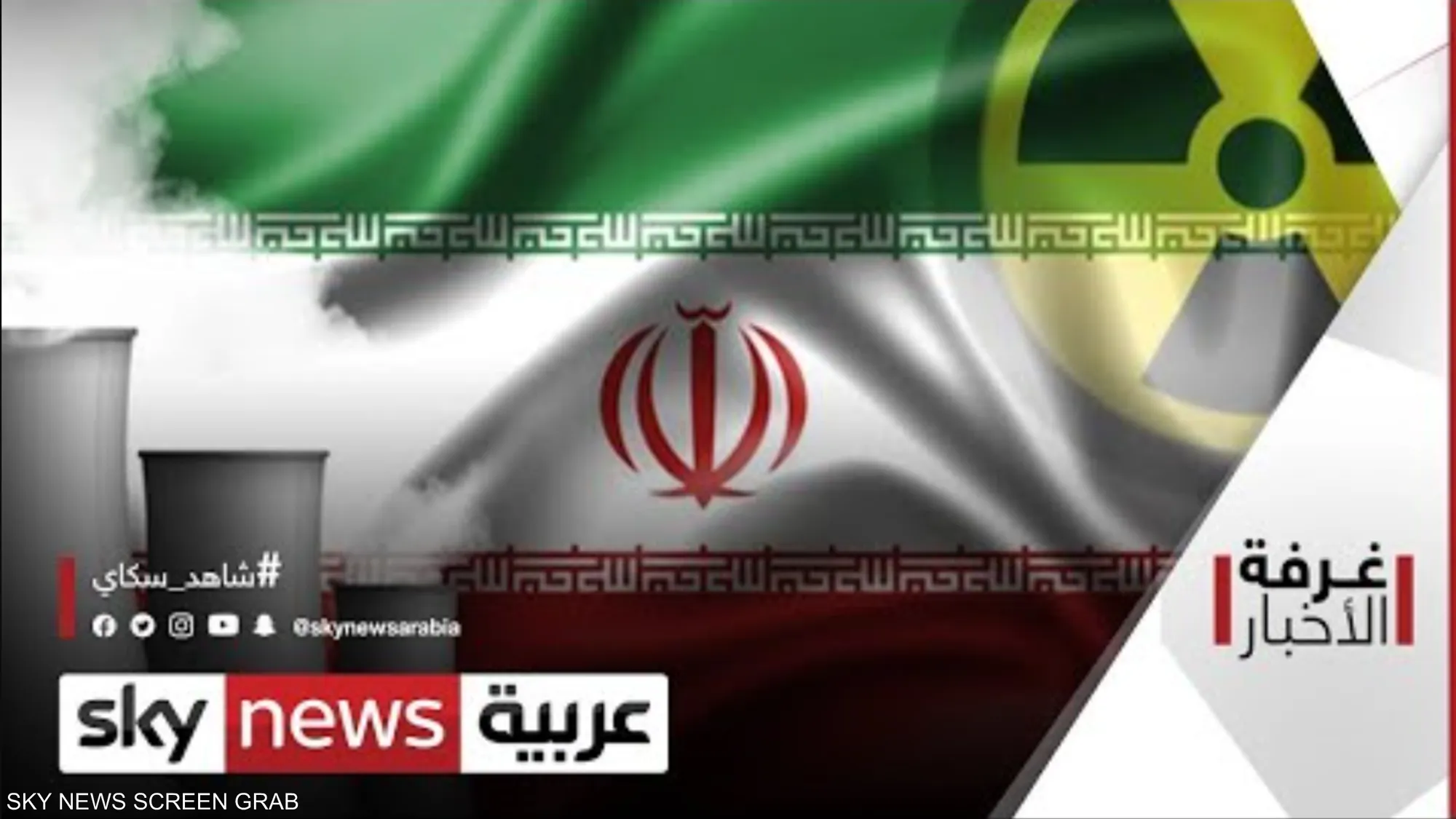
Investors are increasingly questioning the possibility of achieving quick peace in the Middle East amid complex negotiations that render any potential settlement hostage to intricate political and military interests. As the involved parties strive to find solutions to the ongoing conflict, the conflicting messages between Washington and Tehran reflect a state of uncertainty, which amplifies investor concerns in the region.
Recently, relations between the United States and Iran have witnessed escalating tensions, with official statements from both sides varying significantly, creating confusion in the markets. While Washington announces its desire to reach a comprehensive agreement, Tehran indicates that it will not back down from its core positions, complicating the negotiation pathways.
Details of the Current Situation
All eyes are on the ongoing talks between the United States and Iran, as both parties seek to find common ground to end the persistent conflict in the region. However, the conflicting messages emanating from both sides raise questions about the seriousness of these discussions. U.S. officials have indicated that there is a possibility of reaching an agreement soon, while Iran insists it will not accept terms that could undermine its sovereignty.
This divergence in positions directly impacts financial markets, as investors express their concerns over the instability in the region. Recent economic reports have shown a decline in foreign investments in some Middle Eastern countries, reflecting a lack of confidence in the future political landscape.
Background & Context
Historically, relations between the United States and Iran have been marked by ongoing tensions, beginning with the Islamic Revolution in 1979. Since then, Iran has become a target of U.S. policies in the region, leading to the imposition of severe economic sanctions. In recent years, these tensions have intensified following the U.S. withdrawal from the nuclear agreement in 2018, escalating the conflict between the two parties.
In this context, investors are striving to understand the political dynamics affecting the markets. With each round of negotiations, fears grow that any military escalation could exacerbate the situation, negatively impacting investments in the region.
Impact & Consequences
If the conflicting messages between Washington and Tehran persist, it could exacerbate the economic conditions in the Middle East. Investors require a stable environment to make investment decisions, and any military escalation could lead to a decline in market confidence. Furthermore, the continuation of the conflict could affect oil prices, which would have repercussions on the global economy.
Moreover, any failure to reach an agreement could worsen humanitarian crises in the region, where many countries are suffering from the effects of ongoing conflicts. Therefore, achieving peace is not only an economic necessity but also a humanitarian imperative.
Regional Significance
The Arab countries neighboring Iran and the United States are among the most affected by the current tensions. Ongoing conflicts in the region impact political and economic stability, increasing the suffering of the populations. Any escalation could also lead to a surge in refugees and heightened humanitarian crises.
Ultimately, hope remains pinned on achieving a comprehensive political settlement that ensures regional stability and restores investor confidence. The current situation requires all parties involved to work diligently towards achieving peace, away from narrow interests that could hinder any progress.