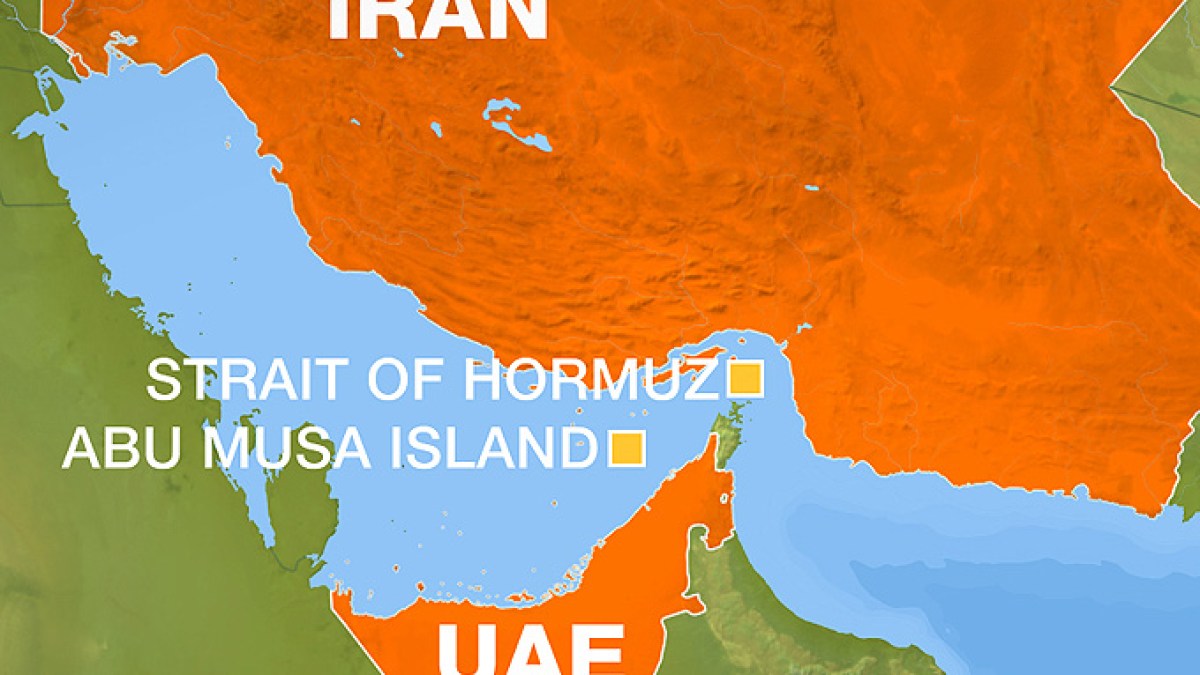
Conflicting statements continue to arise regarding the current situation in the Strait of Hormuz, one of the most important waterways in the world. U.S. official Heigseth has confirmed that the strait is open to international navigation, reflecting a stable situation in the region. Meanwhile, Iran has announced that it will open the strait before the anticipated talks, raising questions about its political intentions.
On the other hand, Keir Starmer, the leader of the British Labour Party, indicated that opening the strait requires significant efforts and international cooperation, highlighting the complexity of the current situation. These contrasting statements reflect a state of uncertainty in a vital area that directly impacts global trade.
Details of the Event
The Strait of Hormuz, which connects the Arabian Gulf to the Gulf of Oman, is a vital transit point for approximately 20% of the world's total oil supply. In recent years, the strait has witnessed increasing tensions due to regional conflicts, making its opening for navigation a matter of utmost importance. The recent statements come at a sensitive time, as international pressure on Iran regarding its nuclear program and behavior in the region is mounting.
It is noteworthy that Iran has closed the strait on several previous occasions as a means of pressuring Western countries, complicating the current situation further. Heigseth's statements suggest that the United States hopes for stability, while Iran's remarks reflect its desire to strengthen its position ahead of any potential negotiations.
Background & Context
Historically, the Strait of Hormuz has been the scene of numerous geopolitical events. In 2019, the strait saw an escalation in tensions between Iran and the United States, with oil tankers being seized, raising concerns about navigation security. This background makes the current statements even more significant, as they reflect the political trends of the involved countries.
The situation in the strait is also closely linked to other regional conflicts, such as the dispute in Yemen and tensions between Iran and Gulf states. These dynamics affect the stability of the region and complicate any diplomatic efforts.
Impact & Consequences
Opening the Strait of Hormuz to international navigation could have significant impacts on the global economy, especially given the heavy reliance on oil. Any potential closure of the strait could lead to rising oil prices and increased economic tensions between importing and exporting countries.
Moreover, stability in navigation through the strait could enhance confidence in financial markets, potentially improving trade relations between countries. Conversely, ongoing tensions could hinder these relations and lead to negative repercussions for the global economy.
Regional Significance
The Arab countries bordering the Arabian Gulf, such as Saudi Arabia and the UAE, are among the most affected by the issue of opening the Strait of Hormuz. Any changes in the security situation in the strait could directly impact these countries' oil exports, reflecting on their economies.
Additionally, stability in navigation through the strait could contribute to enhancing regional cooperation among Arab countries, helping to address common challenges. At the same time, any escalation in tensions could exacerbate economic and social crises in the region.
In conclusion, the situation in the Strait of Hormuz remains a focal point for the world, where political and economic interests intertwine in a complex manner. The conflicting statements reflect a state of uncertainty, necessitating careful monitoring by the international community.