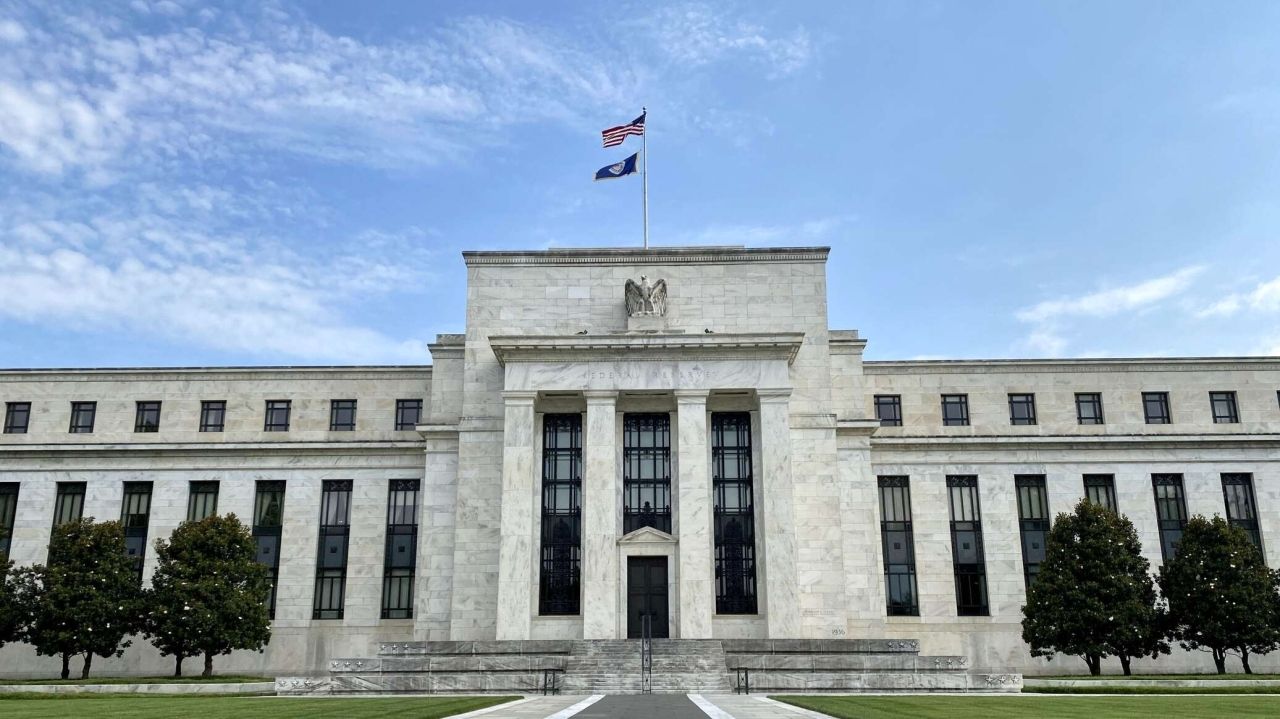
Economic expert Abigail Watt from UBS reports that the US Federal Reserve is currently navigating a challenging and complex economic environment. Inflation is straying from its target, while the labor market continues to show signs of weakness. These challenges could significantly influence the future decisions of the US central bank.
Watt's statements come at a critical time as the Federal Reserve seeks to achieve price stability and bolster economic growth. With rising inflation rates, the bank faces increasing pressure to act more swiftly, which could lead to changes in monetary policy.
Event Details
Reports indicate that inflation in the United States has surpassed targeted levels, raising concerns among policymakers. At the same time, the labor market is experiencing notable weakness, with data showing a decline in job opportunities and an increase in unemployment rates. These dynamics place the Federal Reserve in a difficult position, as it must balance the need to curb inflation with the necessity of maintaining economic growth.
In this context, many economists expect the Federal Reserve to take bold steps in upcoming meetings, including further interest rate hikes. However, these actions may come with social and economic costs, complicating the situation further.
Background & Context
Historically, the Federal Reserve has faced similar challenges during times of economic crises. In 2008, for example, the central bank took unconventional measures to address the global financial crisis. However, current circumstances differ, as the Federal Reserve is under pressure from all sides, including financial markets and politicians.
It is noteworthy that inflation in the United States has risen significantly since the onset of the COVID-19 pandemic, with a series of factors, including supply chain disruptions and increased demand, contributing to this rise. These factors make it challenging for the Federal Reserve to achieve its goals.
Impact & Consequences
Analyses confirm that any changes in monetary policy by the Federal Reserve will directly affect the global economy. Raising interest rates could increase borrowing costs, impacting investments and economic growth in many countries.
Moreover, these changes could lead to volatility in financial markets, increasing economic uncertainty. Therefore, monitoring the Federal Reserve's movements will be essential for understanding global economic trends.
Regional Significance
Given the impact of the US economy on the global economy, the challenges faced by the Federal Reserve could have significant repercussions for the Arab region. Rising interest rates in the United States may lead to capital outflows from emerging markets, including Arab countries, increasing economic pressures.
Additionally, high inflation in the United States could affect oil and commodity prices, reflecting on the economies of Arab countries that rely on oil exports. Thus, keeping track of the Federal Reserve's developments is vital for policymakers in the region.
In light of the current challenges, the Federal Reserve remains in a precarious position requiring difficult decisions. The impact of these decisions will not be limited to the US economy alone but will extend to global markets, including the Arab region.