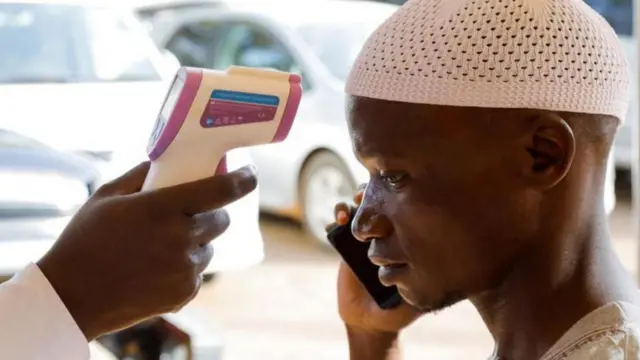
The Director-General of the World Health Organization reported a catastrophic clash in Eastern Democratic Republic of Congo between the Ebola outbreak and armed conflict. The situation in Ituri Province exceeds the capacity to respond to the epidemic, raising significant concerns.
Ituri Province is one of the most affected areas by the ongoing conflict ravaging the country, suffering from insecurity and deteriorating health services. This situation complicates the efforts of medical teams to provide necessary care to those infected with Ebola, which continues to spread alarmingly.
Details of the Event
Health reports in Congo indicate a noticeable increase in Ebola cases, with numbers surpassing the current capacity of the health system to handle the crisis. The Director-General of the World Health Organization noted that this health crisis coincides with the escalation of armed conflict in the region, complicating response efforts.
Combating the Ebola virus requires a swift and effective response, but armed conflict hinders the movement of medical teams and limits their ability to reach affected areas. Additionally, insecurity contributes to the spread of rumors and fear among the population, making it more challenging to control the situation.
Background & Context
Historically, the Democratic Republic of Congo has witnessed several outbreaks of the Ebola virus, but the current situation is the most complex due to ongoing conflicts. For years, the country has suffered from internal strife that has led to the deterioration of humanitarian and health conditions.
Ituri is a resource-rich region, yet it suffers from political and economic instability. Armed conflicts in the area have led to the displacement of many residents, further complicating health response efforts.
Impact & Consequences
The repercussions of the Ebola outbreak and armed conflict extend beyond the borders of the Democratic Republic of Congo, potentially affecting health security in neighboring countries. Failure to control the virus could lead to its spread across borders, posing a regional threat.
The psychological and social impact on the population will be significant, as communities suffer from a loss of trust in the health system. This could lead to the outbreak of other diseases due to the deterioration of health services.
Regional Significance
Although events in Congo are geographically distant from the Arab world, the health and humanitarian impact could extend to the region. Health crises in conflict areas may increase pressure on health systems in Arab countries, especially those facing similar challenges.
International cooperation in combating epidemics has become an urgent necessity, as the current situation requires a unified global effort to address health challenges in conflict zones.