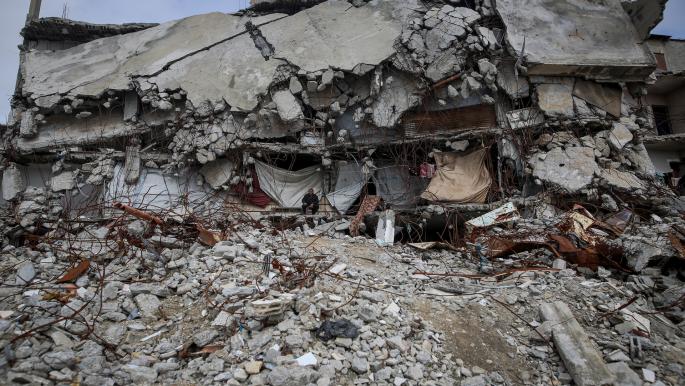
Giant rats in Gaza, suffering from a collapse in its infrastructure, represent one of the greatest dangers threatening the lives of residents. These rats cause damage to the limited supplies and resources that people rely on in their daily lives, exacerbating their suffering under the harsh conditions they face.
The population of rats is increasing in residential areas, posing a direct threat to public health. These rats not only destroy food supplies but also carry significant health risks, as they can transmit diseases and affect the safety of the population, especially children.
Details of the Situation
Reports indicate that giant rats have become common in many areas of Gaza, where they feed on the food stocks kept by residents. As economic conditions deteriorate, many find themselves forced to rely on limited supplies, making the loss of these supplies due to rat damage catastrophic.
Rats are destroying food items, which exacerbates the food crisis in the region. With the ongoing blockade imposed on Gaza, obtaining quality food has become difficult, intensifying the humanitarian crisis faced by the population.
Background & Context
Historically, Gaza has suffered from numerous humanitarian crises due to the ongoing blockade and repeated conflicts. As infrastructure deteriorates, it becomes increasingly difficult for residents to access basic services, including healthcare and food. Rats, which were previously present, now pose a greater threat under these circumstances.
This crisis requires urgent attention from relevant authorities, as effective measures must be taken to address this phenomenon. Improving infrastructure and providing necessary support to residents can help mitigate the impact of rats on their lives.
Impact & Consequences
Giant rats directly affect the lives of residents, contributing to increased rates of disease and infection. Additionally, the loss of food supplies heightens poverty and hunger in the region, negatively impacting the health and well-being of the population.
This crisis demands a swift response from the international community, as food and health assistance must be provided to the affected population. Failure to take effective action could lead to worsening humanitarian conditions in Gaza, increasing the suffering of residents.
Regional Significance
This crisis highlights the need for enhanced cooperation among Arab countries to address humanitarian challenges. The situation in Gaza reflects the multiple crises faced by many Arab nations, which require a collective and effective response from the international community.
Joint efforts must be made to improve humanitarian conditions in the region, as crises like the rat issue in Gaza underscore the urgent need to provide support and assistance to affected populations.