Middle Eastern airports are facing unprecedented challenges due to escalating regional conflicts, leading to the cancellation of most flights in the area. However, forecasts suggest that Gulf airlines may be able to regain their market share by capitalizing on the current circumstances.
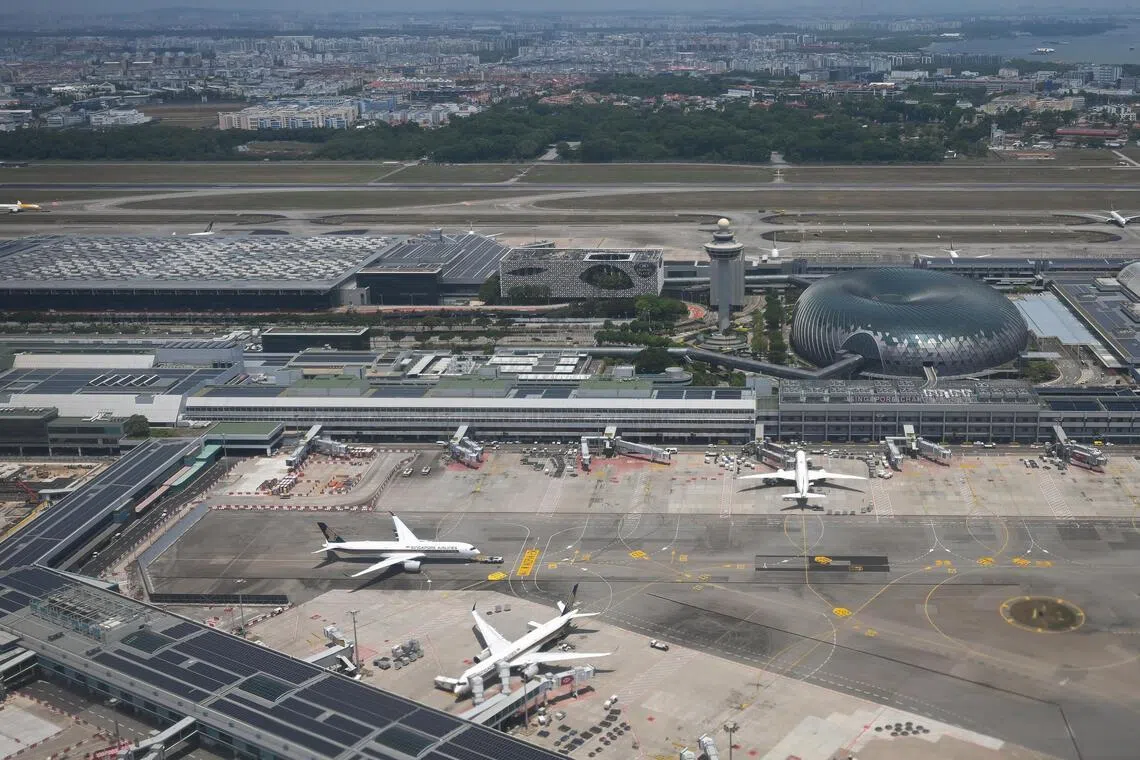
While many airports in the Middle East are suffering from a sharp decline in air traffic, Singapore's Changi Airport has successfully passed the pressure test resulting from increased transport activity. This success reflects the airport's ability to handle difficult conditions, making it a model for crisis management.
Event Details
The ongoing conflicts in the region have significantly reduced the number of flights, adversely affecting air transport. Nevertheless, Gulf airlines, such as Emirates and Qatar Airways, appear to be preparing to reclaim their market share by offering new services and expanding their networks.
Reports indicate that Changi Airport has seen an increase in transport activity, reflecting an effective response from airport management to current challenges. This success also highlights the importance of strategic planning in crisis situations.
Background & Context
Historically, Middle Eastern airports have been among the busiest in the world, playing a pivotal role in connecting continents. However, political and security conflicts have significantly impacted these airports, leading to a decline in air traffic.
In recent years, the region has witnessed a rise in conflicts, resulting in the cancellation of numerous flights. This situation has prompted Gulf airlines to reassess their strategies and adapt to changing conditions.
Impact & Consequences
The challenges facing Middle Eastern airports could significantly affect the regional economy. With declining air traffic, many economic sectors, including tourism, transportation, and freight, may be adversely impacted.
On the other hand, these conditions may provide an opportunity for Gulf airlines to regain their market share, potentially enhancing competition and improving services offered to travelers.
Regional Significance
Given the current situation, the challenges facing Middle Eastern airports may directly impact Arab countries. With declining air traffic, tourism could be significantly affected, leading to a drop in economic revenues.
However, the opportunities available to Gulf airlines may contribute to strengthening the regional economy, reflecting the importance of cooperation among Arab countries in facing common challenges.
In conclusion, the future of Middle Eastern airports remains contingent on developments in regional conflicts and the responses of airlines. The current challenges may open doors to new opportunities, necessitating a strategic response from all stakeholders involved.