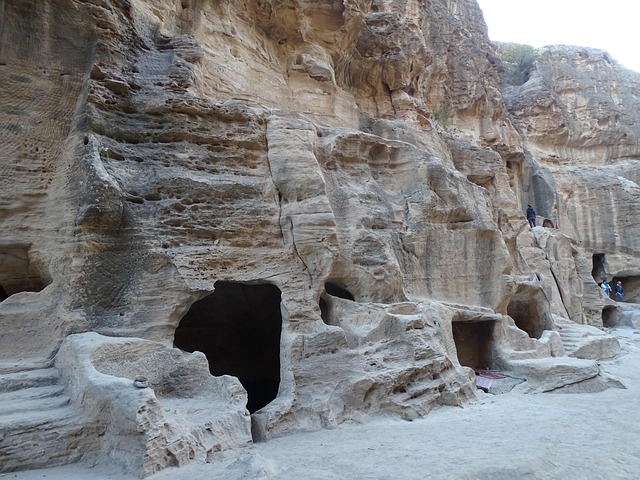
The tourism sector in Petra, Jordan, is facing unprecedented challenges, with a significant decline in visitor numbers in recent years, adversely affecting the local economy. Reports indicate that many tourism companies and hotels are experiencing substantial financial difficulties, threatening their survival in the market.
Petra, recognized as one of the Seven Wonders of the World, is a major tourist destination attracting visitors from around the globe. However, the impact of the COVID-19 pandemic and successive economic crises has led to a sharp decrease in tourist numbers, placing many workers in this sector in a difficult position.
Event Details
Statistics show that visitor numbers to Petra have dropped by as much as 70% compared to previous years. This sharp decline in tourism has resulted in the closure of many shops and restaurants, increasing the unemployment rate in the area. Additionally, many workers in the tourism sector are struggling to secure their livelihoods, adding further pressure on the local community.
In light of these circumstances, the Jordanian government is striving to support the tourism sector by offering financial incentives and facilities for visitors. However, challenges persist, as significant efforts are required to restore confidence in this vital sector.
Background & Context
Historically, Petra has been a thriving tourist center, attracting millions of visitors annually. However, political and economic events in the region, combined with the effects of the pandemic, have led to a significant decline in this sector. Tourism is one of the main sources of revenue in Jordan, making it essential to work on revitalizing this sector.
The Jordanian government aims to enhance tourism by developing infrastructure and improving services provided to visitors. Nevertheless, global economic challenges may hinder these efforts, necessitating new strategies to adapt to changing conditions.
Impact & Consequences
The decline in tourism in Petra significantly impacts the local economy, as many residents rely on this sector as a primary source of income. The decrease in visitor numbers also affects tourism-related sectors, such as transportation, restaurants, and local trade.
If this crisis continues, it could exacerbate economic conditions in the region, threatening the stability of the local community. It is crucial for government and private efforts to converge to find innovative solutions that can revive this vital sector.
Regional Significance
The tourism crisis in Petra exemplifies the challenges faced by many Arab countries amid global economic conditions. Numerous tourist destinations in the region are experiencing similar issues, necessitating regional cooperation to promote tourism and restore visitor confidence.
It is important for Arab countries to develop joint strategies to enhance tourism, including promoting tourist destinations and offering incentives for visitors. Strengthening tourism can contribute to improving economic conditions in the region and enhancing social stability.