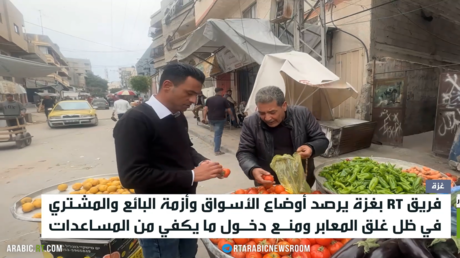
Gaza's markets are experiencing a severe crisis as Palestinians struggle with rising prices and diminished purchasing power. Both sellers and buyers are facing significant difficulties in obtaining essential goods. Under these circumstances, the daily challenges faced by people are increasing, raising concerns about the future of the local economy.
Reports indicate that prices in the markets have risen significantly, negatively impacting citizens' ability to purchase their basic needs. Many sellers have noted a substantial decline in demand, as buyers hesitate to make purchases due to high prices.
Details of the Event
The increase in prices ranges from 20% to 50% for some essential goods, making daily life more difficult. Additionally, the shortage of certain food items and basic goods contributes to the worsening of the crisis, as citizens struggle with a lack of sufficient options in the markets.
Some traders have reported difficulties in importing goods due to restrictions imposed on crossings, exacerbating the crisis. This has led to a severe shortage of certain products, pushing prices to unprecedented levels.
Background & Context
The roots of the economic crisis in Gaza can be traced back to years of blockade and restrictions on movement and trade. Since 2007, the region has faced consecutive crises, affecting all aspects of life, including the economy, health, and education.
Historically, Gaza relied on importing goods from abroad, but the imposed blockade has reduced available options. This situation has created a challenging economic environment, where citizens face significant hurdles in meeting their daily needs.
Impact & Consequences
The current crisis affects all segments of society, with the poor particularly suffering from the consequences of rising prices. Studies have shown that a large percentage of the population lives below the poverty line, making it difficult for them to meet their basic needs.
This crisis may also exacerbate social issues, as feelings of frustration and despair among citizens increase. Under these circumstances, protests and demands for improved economic conditions may rise.
Regional Significance
The Gaza crisis is part of a broader picture of economic challenges in the region. Many Arab countries are facing similar challenges, making it essential to seek collective solutions to alleviate these crises.
These conditions require an urgent response from the international community, as coordinated efforts must be made to support the Palestinian economy and improve living conditions for the population. The hope for better conditions relies on cooperation among various parties.
In conclusion, the crisis in Gaza's markets represents a significant challenge for citizens, necessitating urgent and effective intervention to improve living conditions. The continuation of this crisis could lead to serious repercussions for Palestinian society, calling for swift action from all stakeholders.