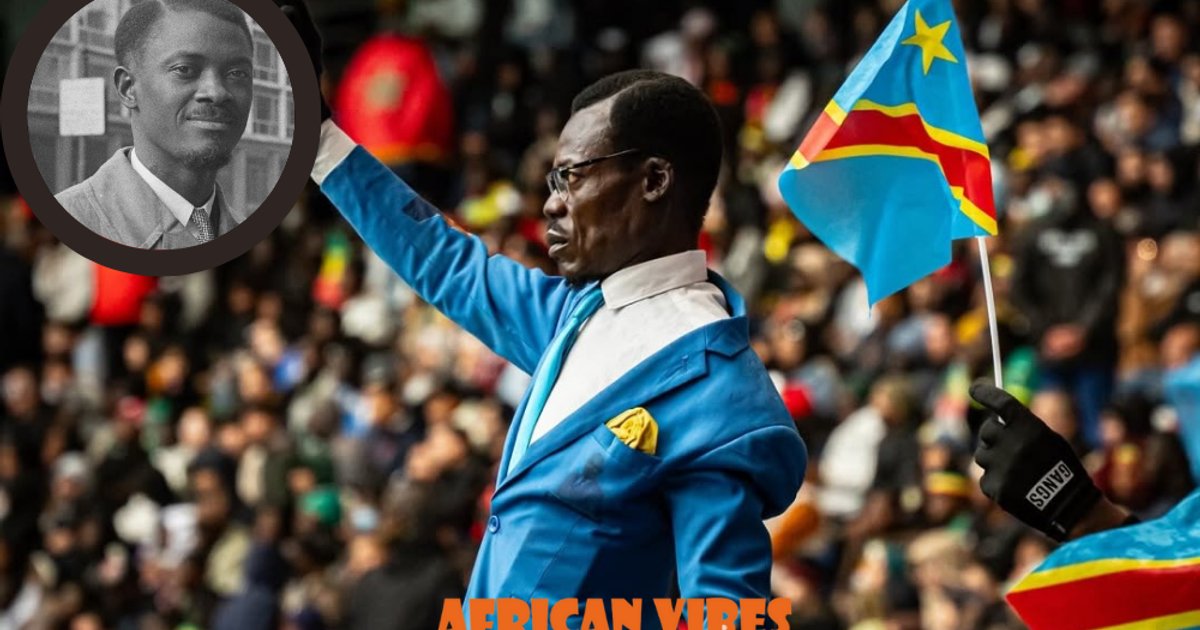
Congo's national football team players have called on the country's president to work towards ensuring the presence of Patrice Lumumba, a symbol of Congolese independence, at the 2026 World Cup. This appeal comes at a time when the country is striving to enhance its national identity through sports.
This initiative is part of the players' efforts to highlight the significance of their history and culture on international platforms. The players emphasized that Lumumba's presence at this global sporting event would represent recognition of his sacrifices for the freedom and independence of Congo.
Event Details
All eyes are on the 2026 World Cup, which will be held in the United States, Canada, and Mexico, where the Congo team hopes to achieve positive results. In this context, the players confirmed their desire for Lumumba to be a present symbol at this event, as he embodies the values they seek to achieve in their sporting careers.
Patrice Lumumba, who was assassinated in 1961, is one of the most prominent historical figures in Congo. He played a pivotal role in the country's struggle for independence from Belgian colonial rule, making him a symbol of freedom on the African continent.
Background & Context
The history of Congo is filled with challenges and conflicts, but Lumumba's figure remains central in the collective memory of Congolese people. After decades of colonialism, Lumumba became a symbol of hope and change, making the anniversary of his death particularly significant in national culture.
This appeal comes at a time when the Congo national team is witnessing a notable improvement in its performance, as the players aim to achieve historic accomplishments in international competitions. Evoking Lumumba's memory in this context reflects their desire to enhance national spirit and solidarity among the people of the homeland.
Impact & Consequences
If the players' demand is met, it could have a significant impact on the morale of the team and its supporters. This might enhance the sense of pride and belonging among the Congolese people, reflecting the importance of sports as a means of expressing national identity.
Moreover, the presence of a historical figure like Lumumba at the World Cup could attract international attention to Congo, potentially contributing to the promotion of tourism and interest in Congolese culture. This event could serve as an opportunity to highlight the country's history and its current challenges.
Regional Significance
This appeal is part of a broader trend in the Arab world and Africa towards reclaiming cultural and historical identity. Many countries are striving to promote their national symbols across various fields, including sports.
Enhancing national identity through sports can have a positive impact on relations between countries, as this spirit can foster cooperation and understanding among peoples.
In conclusion, the call from Congo players for the president to ensure Lumumba's presence at the 2026 World Cup reflects the importance of history and culture in shaping national identity. The government's response to this request could be a step towards enhancing national pride and highlighting the role of sports in uniting the Congolese people.