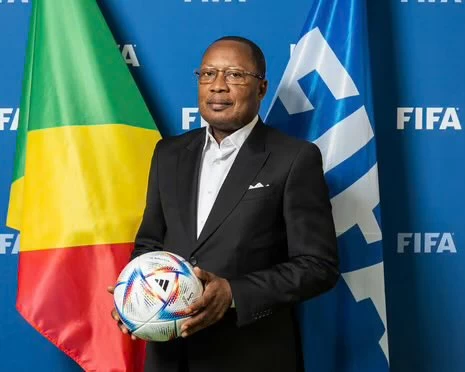
In a controversial development, Jean Blaise Mayolas, the President of the Congolese Football Federation, fled the country with his family just days before his scheduled court appearance. This escape comes amid serious corruption allegations involving the embezzlement of $1.1 million, which was provided by the International Football Federation (FIFA) in February 2021 as part of a relief initiative for the COVID-19 pandemic.
Investigations conducted by judicial authorities revealed that Mayolas and his family are accused of misappropriating funds intended to support and develop football activities in Congo. These funds were supposed to be used to enhance women's football, with approximately $500,000 allocated to support the women's national team. This situation has raised serious concerns about the management of financial resources designated for the development of women's football in the country.
Details of the Incident
Despite Jean Blaise Mayolas's absence from the court session, judicial proceedings continued, resulting in a conviction in absentia. This ruling was based on available evidence indicating the misappropriation of allocated funds, prompting authorities to take swift action following the verdict.
Subsequently, authorities issued international arrest warrants through INTERPOL in an attempt to locate Mayolas and his family and apprehend them. This step reflects the seriousness of the Congolese authorities in combating corruption and recovering embezzled funds.
Background & Context
This corruption case is part of a broader issue faced by many African countries, where corruption and mismanagement of public funds remain significant challenges hindering development and progress. In recent years, the African continent has witnessed numerous scandals related to corruption in sports, raising questions about the management of funds allocated for sports development.
It is noteworthy that FIFA had launched a relief initiative to assist national federations in overcoming financial crises resulting from the COVID-19 pandemic. However, it appears that these funds were not utilized appropriately in Congo, further complicating the sports situation in the country.
Impact & Consequences
The implications of this case extend beyond Congo, raising widespread concerns about the management of funds allocated for sports in developing countries. Corruption in this sector can negatively impact the development of athletic talent and limit opportunities available for athletes, especially women, who require greater support.
Additionally, this case may affect the reputation of the Congolese Football Federation and could lead to a loss of trust from sponsors and investors, which may adversely impact sports activities in the country. Recovering the embezzled funds could be a crucial step towards rebuilding trust in the sports system.
Regional Significance
Corruption in sports is an issue that concerns all countries, including Arab nations. Corruption can affect sports investments and limit talent development. There is an urgent need to enhance transparency and accountability in the management of funds allocated for sports.
As Arab countries strive to enhance their position in the global sports arena, addressing corruption issues is a fundamental step towards achieving this goal. Strengthening transparency and accountability in sports fund management can contribute to improving athletic performance and enhancing success opportunities.
In conclusion, the case of Jean Blaise Mayolas highlights the importance of combating corruption in sports and sheds light on the challenges faced by developing countries in this area. Enhancing transparency and accountability should be a priority for all, to ensure that funds allocated for sports are used correctly and to develop athletic talent worldwide.