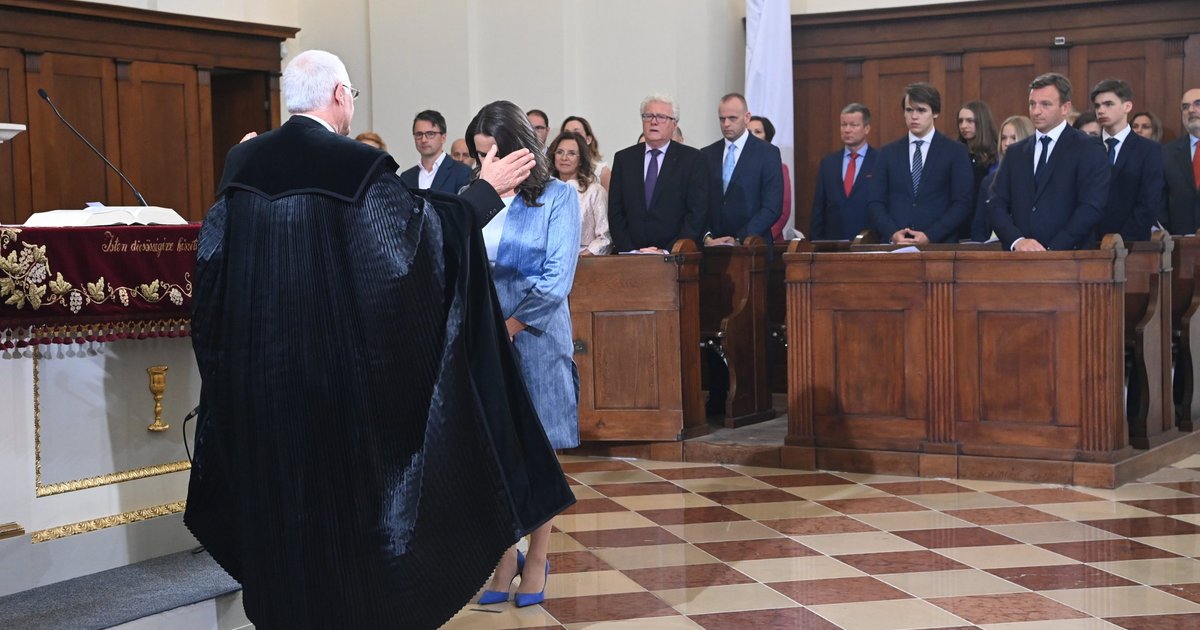
The leadership expressed warm congratulations to Hungary's new president on his election and oath of office, hoping to strengthen relations between the two countries. This congratulation comes at a time of significant shifts in international relations, highlighting the importance of cooperation among nations.
The new president of Hungary assumed his duties after a fiercely contested election, where he was elected with a clear majority, reflecting the support of the Hungarian people. The oath-taking ceremony reaffirmed his commitment to enhancing democracy and transparency in governance.
Details of the Event
The new president of Hungary was elected in recent elections, where he received a large percentage of the votes, indicating widespread support from voters. The oath-taking ceremony was organized in the Hungarian parliament, where the new president emphasized the importance of national unity and working for the country's interests.
These elections come amid economic and political challenges facing Hungary, making it essential for the new president to adopt effective policies to address these challenges. In his speech, the president highlighted the importance of dialogue and cooperation among all political parties.
Background & Context
Historically, Hungary has undergone significant changes in its political system since the end of the Cold War, transitioning from a communist regime to democracy. Elections have played a pivotal role in shaping the country's future, reflecting the people's trends and hopes for improving living conditions.
Moreover, Hungary's international relations have been significantly influenced by political transformations in Europe, as the country seeks to enhance its position on the European and global stage. There have been attempts to strengthen cooperation with other countries, including Arab nations, reflecting the importance of diplomacy in foreign policy.
Impact & Consequences
The election of a new president in Hungary may affect the country's domestic and foreign policies. The new president is expected to seek to boost the national economy and improve relations with European countries. There are also expectations that Hungary may witness changes in its policies regarding immigration and asylum, which could impact relations with neighboring countries.
On the international front, these elections may lead to a reassessment of relations between Hungary and other countries, including Arab nations. These changes could open new avenues for cooperation in various fields, such as trade and investment.
Regional Significance
The relations between Hungary and Arab countries represent an opportunity to enhance cooperation in economic and cultural fields. These relations could contribute to boosting trade and investment exchanges, benefiting both sides.
There is also growing interest from Arab countries in strengthening ties with Central and Eastern European nations, reflecting a desire to diversify economic and political partnerships. These new relations could provide an opportunity for exchanging experiences and enhancing mutual understanding between cultures.
In conclusion, the election of a new president in Hungary represents an important step in the country's political trajectory, reflecting the people's desire for change. These changes may open new horizons for cooperation between Hungary and Arab countries, enhancing opportunities for development and stability in the region.