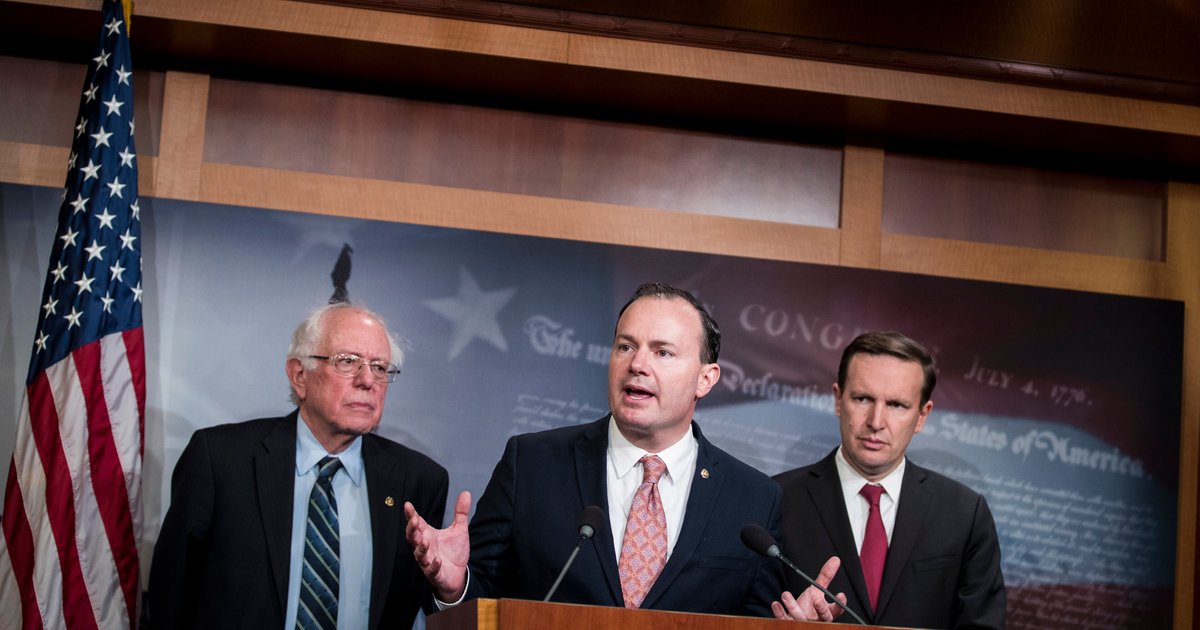
The U.S. Congress is increasingly frustrated by presidential overreach in war powers. Current indicators suggest its inability to prevent unilateral war decisions, raising concerns about its constitutional role. This situation reflects a notable decline in its constitutional powers regarding war declarations.
Historically, Congress has been granted broad powers to declare war, as outlined in the U.S. Constitution. However, in recent decades, Congress's ability to exercise these powers has diminished, with presidents increasingly relying on their executive authority to make war decisions.
Details of the Situation
In recent years, several U.S. presidents, from George W. Bush to Barack Obama and Donald Trump, have utilized their executive powers to launch military strikes without congressional approval. This has sparked widespread debate about the respect for the U.S. Constitution and led to growing calls from some members of Congress to reclaim those powers.
Despite these calls, Congress has struggled to take effective steps to restore its authority, facing both internal and external political challenges. Additionally, partisan divisions within Congress hinder any efforts to change the current situation.
Background & Context
The roots of this decline in congressional powers can be traced back to the events of September 11, 2001, when the president was granted broad powers to combat terrorism, leading to military interventions in various regions such as Iraq and Afghanistan. Since then, it has become common for presidents to make military decisions without consulting Congress, resulting in an erosion of trust in the democratic system.
In recent years, new issues have emerged, such as tensions with Iran, where the U.S. administration has made military decisions without congressional authorization, raising concerns among many lawmakers about the future of American democracy.
Impact & Consequences
The implications of this decline in congressional powers extend beyond the United States, affecting U.S. foreign policy and increasing tensions in conflict zones. The absence of parliamentary oversight on war decisions could lead to escalated military conflicts, negatively impacting regional and international security.
Moreover, this situation may contribute to the erosion of trust in democratic institutions, as citizens feel that war decisions are made away from their will. This could lead to increased political polarization in the country and bolster calls for political reform.
Regional Significance
In the Arab region, this trend in U.S. policy reflects on several hot issues, such as the conflicts in Syria, Libya, and Yemen. The lack of parliamentary oversight may increase the likelihood of U.S. military interventions in these areas, potentially exacerbating humanitarian and political crises.
Furthermore, the continuation of this approach could affect U.S. relations with Arab countries, as these nations may feel instability due to sudden military decisions made by the U.S. administration.
In conclusion, the decline in congressional powers regarding war decisions poses a significant challenge to American democracy and raises questions about the future of U.S. foreign policy. It necessitates a reevaluation of Congress's role to ensure that military decisions are not made unilaterally, preserving the democratic principles upon which the United States was founded.