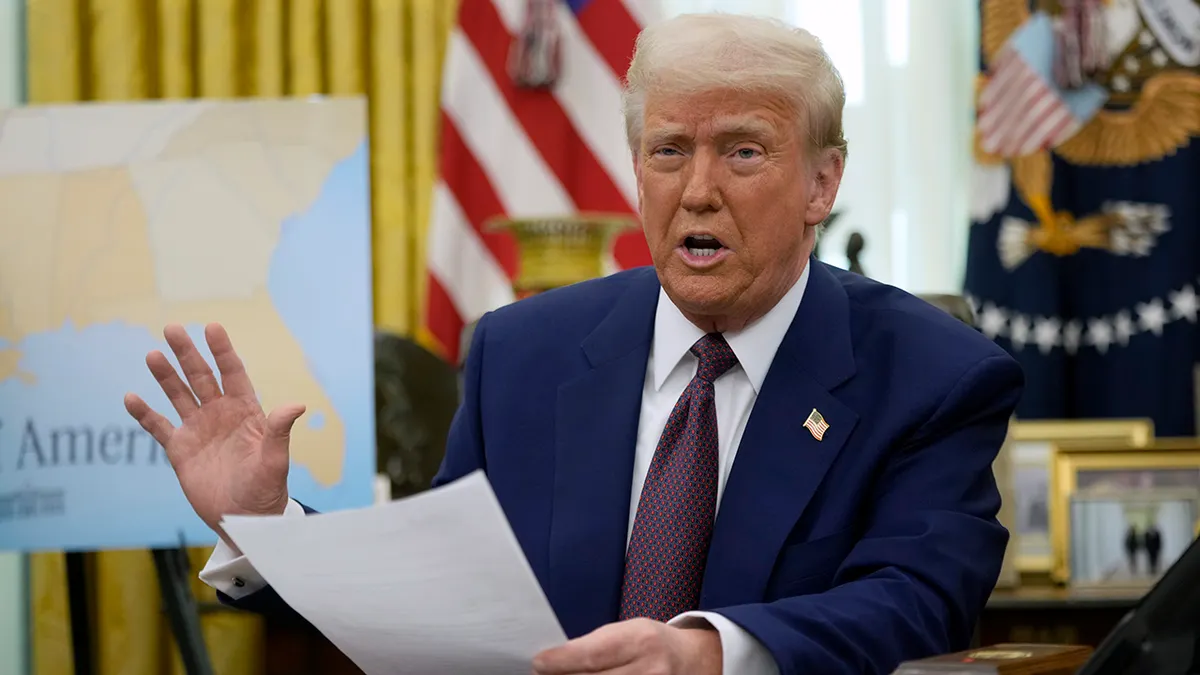
The United States is currently in a state of political deadlock in Congress regarding funding for the Department of Homeland Security, as former President Donald Trump signed an executive order aimed at ensuring salaries for Transportation Security Administration (TSA) employees. This decision comes at a critical time when Congress is struggling to reach an agreement on the department's budget, which plays a vital role in maintaining national security.
The current crisis revolves around complex negotiations between the two major parties, Democrats and Republicans, over how to allocate the necessary funds to ensure the department's operations continue. Observers have noted that these negotiations reflect the increasing political tensions in Washington, with each side striving to achieve its own interests.
Details of the Situation
As pressure mounts on Congress to reach an agreement, TSA employees face the risk of not receiving their paychecks. Trump's executive order was a proactive step to ensure salary payments, reflecting his concern about the impact of the crisis on national security. However, this order does not resolve the underlying issue of sustainable funding for the department.
Reports indicate that negotiations between Congress and the current administration have stalled due to fundamental differences over budget priorities. Republicans are demanding spending cuts, while Democrats are pushing for increased funding for homeland security initiatives.
Background & Context
The Department of Homeland Security was established in the United States following the events of September 11, 2001, with the aim of enhancing national security and protecting the country from terrorist threats. Since then, the department has become a central focus in American politics, dealing with a wide range of security issues, including immigration, counter-terrorism, and border protection.
Over the years, the department has faced numerous challenges, including financial and political crises. These challenges have affected its ability to carry out its missions effectively, leading to increasing calls for comprehensive reforms in the department's structure and budget.
Impact & Consequences
If the political deadlock continues, it could lead to negative implications for national security. The lack of secured funding may hinder the department's ability to implement its vital programs, increasing security risks. Additionally, failure to pay TSA employees could result in decreased morale among staff, impacting their performance in daily operations.
Furthermore, this crisis may affect relations between the two parties in Congress, exacerbating political division in the country. This could have long-term repercussions on how the United States addresses security issues in the future.
Regional Significance
The United States is a strategic partner for many Arab countries, playing an important role in promoting security and stability in the region. Therefore, any decline in the U.S. ability to secure its borders may impact its security strategies in the Middle East.
Moreover, the ongoing political deadlock in Washington could reflect on military and economic aid provided to Arab nations, increasing the challenges these countries face amid rising crises.
In conclusion, the situation in the U.S. Congress remains complex, requiring significant efforts from all parties involved to reach an agreement on funding for the Department of Homeland Security. As this crisis continues, American national security remains at risk, raising questions about the future of U.S. security policy and its global impact.