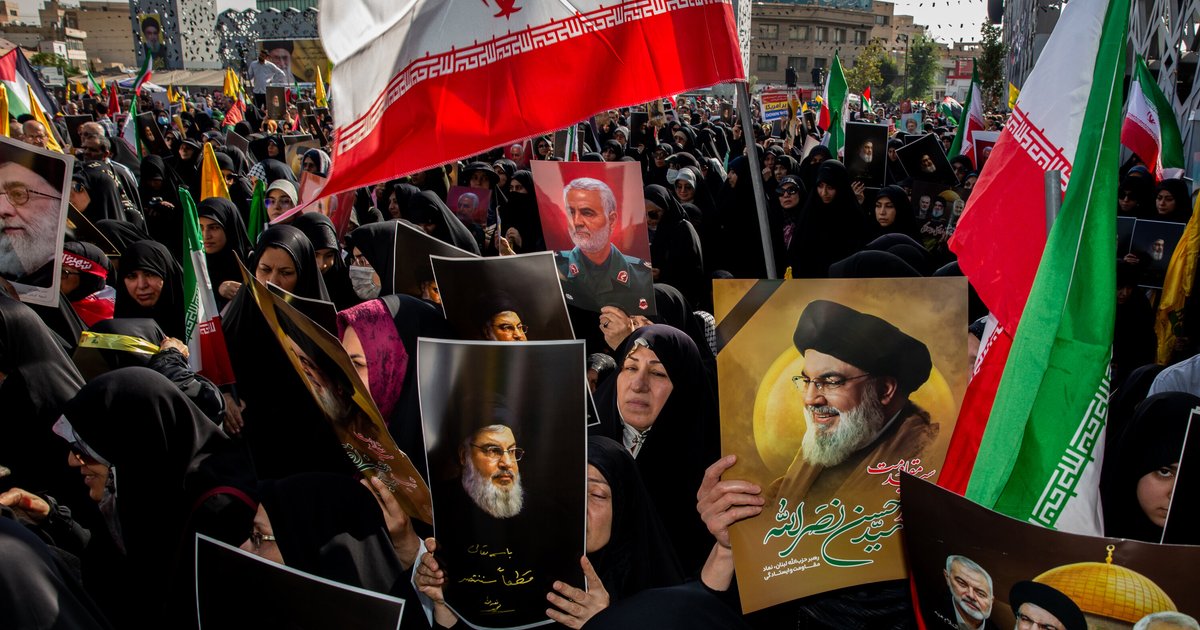
As tensions escalate in the Middle East with increasing discussions about the possibility of war against Iran, many countries in the region and around the world are expressing concern. Under these circumstances, many are questioning the implications of the day after if this conflict occurs.
Iran is considered one of the major regional powers, having a significant influence on the events unfolding in the Middle East. If war were to break out, the consequences would not be limited to Iran alone, but would also encompass neighboring countries and international interests in the region.
Details of the Current Situation
Reports indicate that there is an increasing military buildup by some Western countries, alongside a rise in political rhetoric against Iran. These movements come at a sensitive time, as fears grow that any escalation could lead to a full-scale armed conflict.
The potential scenarios include a range of options, from economic pressures and sanctions to direct military operations. Some sources have confirmed that military plans are being prepared, which heightens tensions in the region.
Background & Context
Historically, relations between Iran and the West have been marked by increasing tensions, particularly following the United States' withdrawal from the nuclear agreement in 2018. This withdrawal led to an escalation of economic sanctions on Iran, significantly impacting its economy and resulting in internal protests.
In recent years, Iran has bolstered its influence in the region by supporting armed groups in Iraq, Syria, and Lebanon, raising concerns among neighboring countries and the United States. These complex dynamics make it difficult to predict the ramifications of any potential conflict.
Impact & Consequences
If war breaks out, serious repercussions for regional security are expected. The conflict could lead to the disintegration of existing alliances and an increase in sectarian divisions within the region.
Additionally, war could result in a flow of refugees into neighboring countries, increasing pressures on those nations. Furthermore, oil prices may be significantly affected, reflecting on the global economy.
Regional Significance
The Arab countries neighboring Iran will be at the eye of the storm, potentially facing military and economic pressures. Countries such as Iraq, Syria, and Lebanon will be the most affected, as any escalation could destabilize them.
Moreover, some extremist groups may exploit the chaos resulting from the war to enhance their influence, complicating the security landscape in the region.
In conclusion, the ramifications of war on Iran remain a complex topic that requires careful monitoring. It is crucial for the concerned nations to stay vigilant and work to avoid any escalation that could lead to a comprehensive conflict.